
Ingredient · Updated
polyurethane foam
Found in 1 product
What is polyurethane foam?
Polyurethane foam is a type of polymer made from the reaction of polyols and diisocyanates. It is widely used in various industries, including furniture, automotive, and clothing, due to its versatility, durability, and lightweight nature.
In clothing, such as sports bras, polyurethane foam is used to provide structure and support. While it is not a food ingredient, concerns regarding polyurethane foam generally revolve around its presence in consumer goods rather than food products. There is limited health evidence related to its use in clothing, but some people may be sensitive to certain chemicals used in its production.
When you see polyurethane foam on a label, it is usually related to structural or functional components rather than direct consumer exposure, although those with sensitive skin should be mindful of any irritation.
Commonly found in: Sports bras, Furniture, Mattresses, Automotive interiors, Insulation
What to watch
- Dermal exposure to some chemicals in polyurethane foam can cause skin irritation in sensitive individuals.
Benefits
- Provides structural support and durability in products such as clothing and furniture.
The FDA does not regulate polyurethane foam in clothing, but it does so for food contact materials where safety is a concern.
Research on polyurethane foam focuses more on its durability and performance rather than direct health effects. Some studies have noted potential for skin irritation.
Polyurethane foam is synthetic and not derived from animals, making it typically suitable for vegans.
Scout's take
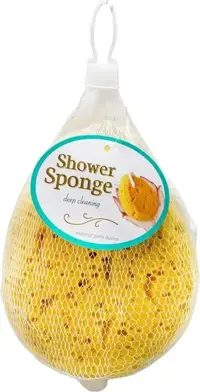
Polyurethane foam is a synthetic material commonly used in sponges and cushions. It is known to shed microplastics during use, which can contribute to environmental pollution. Additionally, the production of polyurethane involves chemicals that may have adverse health effects.
The case against
The primary risk associated with polyurethane foam is the shedding of microplastics, which can harm aquatic life and enter the food chain.
from the analysis of Jacent Shower Sea SpongeThe case for
Polyurethane foam is durable and provides effective cleaning due to its abrasive nature.
from the analysis of Jacent Shower Sea SpongeAll 1 product with polyurethane foam
Where polyurethane foam shows up
- Sponges 1 product
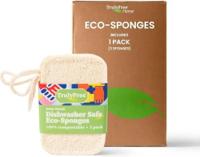
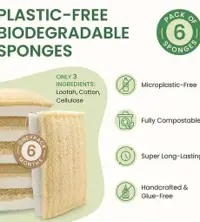
Higher-scoring picks without polyurethane foam
Products from the same categories whose analyzed ingredient list does not include polyurethane foam, scoring 80 or above.
Scan any product to see every ingredient explained — and healthier swaps.