
Ingredient
Pork
What is Pork?
Pork is the culinary name for the meat of the domestic pig. It is one of the most commonly consumed meats worldwide and can be prepared in various ways, including roasting, grilling, and frying.
Pork is a rich source of protein, vitamins, and minerals, such as thiamine, selenium, and vitamin B12. Some studies have indicated that moderate consumption of lean pork could be part of a healthy diet. However, processed pork products, like bacon and sausages, often contain high levels of sodium and saturated fats, which may have health implications if consumed in excess.
On a food label, pork indicates the presence of meat derived from pigs, which is a detail of interest for individuals with dietary restrictions or preferences, such as vegetarians, vegans, or those observing certain religious diets.
Commonly found in: Dog Food, Restaurant Entrees, Sausages, Bacon, Ham, Pork Chops
What to watch
- High processed pork consumption is linked to increased risk of certain chronic diseases.
Benefits
- Pork is a substantial source of high-quality protein and essential nutrients.
Pork is regulated as a safe food product for human consumption by the FDA.
While pork provides essential nutrients, excessive intake of processed pork is associated with health risks.
Pork is an animal-derived product and is not considered vegan.
Sources: Pork and Health
Scout's take
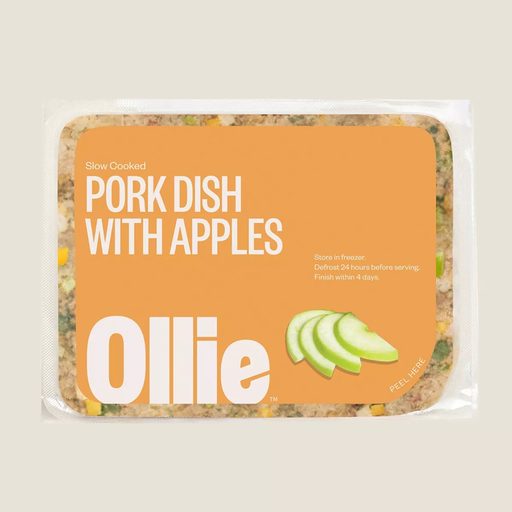
Pork is a whole animal protein providing essential amino acids, bioavailable iron, and omega fatty acids — the foundation of a species-appropriate dog diet.
Found in 1 product
Scan any product to see every ingredient explained — and healthier swaps.
Download on theApp Store GET IT ONGoogle Play