
Ingredient
Post-Consumer Plastic
What is Post-Consumer Plastic?
Post-Consumer Plastic is made from recycled plastic materials that have been used by consumers. It is processed and repurposed for new products, often reducing the need for virgin plastics and supporting environmental sustainability.
It is mainly used in non-food applications such as trash bags or packaging materials. There is no direct health evidence associated with post-consumer plastic in these applications, as it is not consumed or in contact with food.
When you see it on a label, it indicates the product's commitment to using recycled materials, which is a benefit from an environmental perspective but unrelated to personal health.
Commonly found in: Trash Bags, Packaging Materials, Recycled Consumer Goods
Benefits
- Supports recycling and reduces the demand for virgin plastic.
- Helps in reducing landfill waste and pollution.
The FDA does not regulate non-food applications like trash bags that incorporate post-consumer plastic.
Research primarily focuses on environmental impacts rather than direct health effects, which are not applicable to its typical uses.
Post-Consumer Plastic is not animal-derived and is typically considered acceptable for a vegan lifestyle.
Sources: Recycling Basics
Scout's take
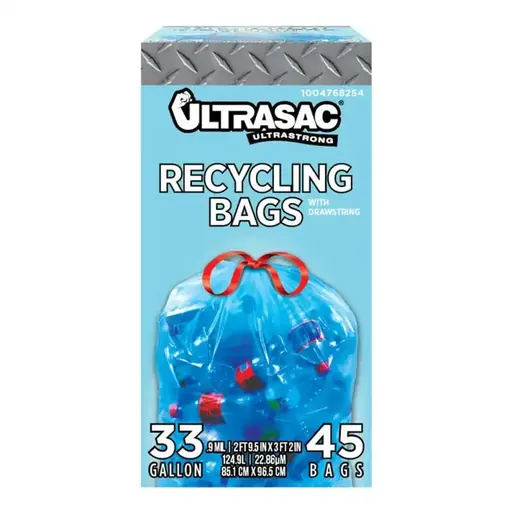
These bags contain 70% post-consumer materials, which means they are made from plastics that have been used and recycled. This contributes positively to waste reduction and resource conservation.
Found in 1 product
Scan any product to see every ingredient explained — and healthier swaps.
Download on theApp Store GET IT ONGoogle Play