
Ingredient
Recycled Polyester
What is Recycled Polyester?
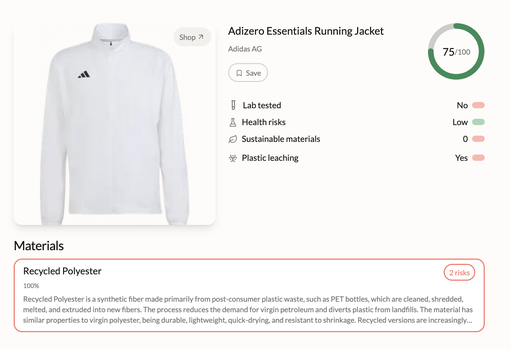
Recycled Polyester is a type of polyester fiber made from existing plastic products such as bottles and containers. This process involves cleaning, melting, and re-spinning the plastic into new polyester fibers.
It is commonly used in textile products like clothing and accessories because it helps reduce reliance on depleting raw materials by repurposing existing plastics, contributing to sustainability efforts. Currently, there is limited health-related research specific to recycled polyester, but concerns generally align with those for traditional polyester, such as potential skin sensitivities.
Recycled Polyester is favored in eco-friendly products aiming to reduce environmental impact. However, it remains important to consider possible factors like the finish of the fabric or any added treatments when evaluating health impact.
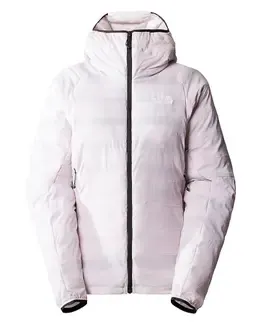
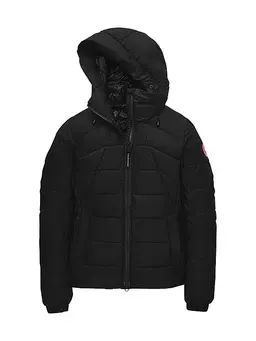
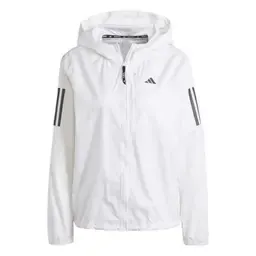
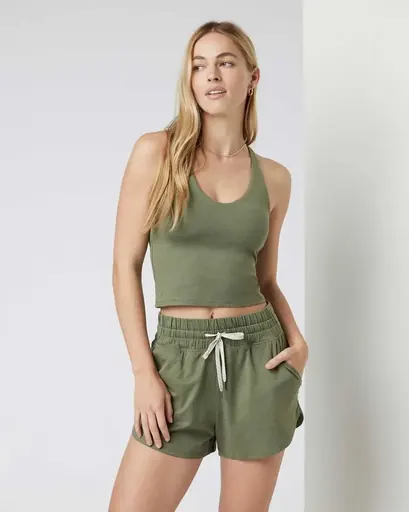
Commonly found in: Crop Tops, Dresses, Workout Shorts, Sports Bras, Athletic Jackets
What to watch
- May cause skin sensitivities in some individuals.
Benefits
- Supports sustainability by recycling plastic materials.
The FDA does not directly regulate polyester used in textiles, focusing instead on food-contact materials.
While recycled polyester itself is not extensively studied for health effects, it is considered similarly to virgin polyester in terms of wear-related concerns.
Recycled Polyester is not derived from animals and is widely accepted by the vegan community.
Scout's take
Made from post-consumer plastic waste, reducing virgin petroleum use, but still sheds microplastic fibers during washing.
More from Scout's analyses
Recycled polyester is a synthetic material, which contributes to microplastic pollution. Despite being made from recycled sources, it still retains the characteristics of conventional polyester.
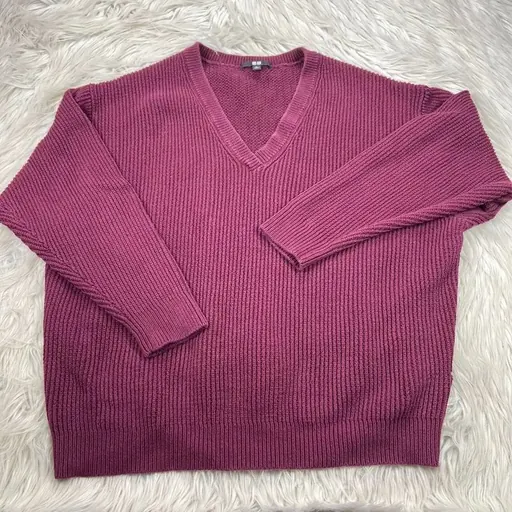
from the analysis of Uniqlo Women's Jersey Knit WineMade from post-consumer plastic waste (e.g. PET bottles). Reduces landfill impact but still sheds microplastics and retains the same skin-contact leaching risks as virgin polyester.
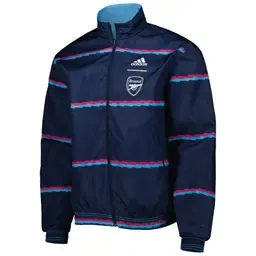
from the analysis of Adidas Own the Run Shorts BlackThe fabric is primarily made from recycled polyester, which is a synthetic material. This contributes to microplastic pollution as it can shed fibers during washing.
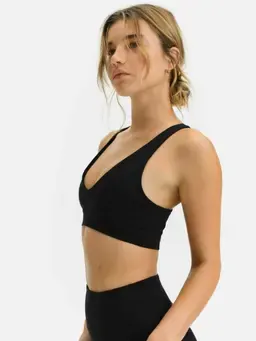
from the analysis of Vuori Women's Halo Performance Crop 2.0Found in 11 products



Scan any product to see every ingredient explained — and healthier swaps.
Download on theApp Store GET IT ONGoogle Play