
Ingredient
Regenerative Whole Milk
What is Regenerative Whole Milk?
Regenerative whole milk is sourced from cows raised on farms following regenerative agricultural practices. These practices focus on soil health, biodiversity, and animal welfare, often involving rotational grazing and limited use of synthetic inputs.
Regenerative whole milk is used in products for its creamy texture and rich nutritional profile, including healthy fats and proteins. Some research suggests regenerative farming practices can lead to higher nutrient density in the milk due to improved pasture quality.
Seeing regenerative whole milk on a label indicates an emphasis on sustainability and potentially higher ethical farming standards, which may appeal to environmentally conscious consumers.
Commonly found in: yogurt, cheese, butter, milk beverages, ice cream
Benefits
- Sourced from farms using regenerative practices, promoting environmental health.
- Rich in proteins and healthy fats, potentially more nutritious than conventionally sourced milk.
Milk is generally recognized as safe (GRAS) by the FDA, with no specific distinction for milk from regenerative practices.
Current research supports potential benefits of regenerative agriculture on nutrient content, but more studies are needed for conclusive evidence.
Regenerative whole milk is animal-derived and not suitable for a vegan diet.
Sources: Regenerative Agriculture and Dairy
Scout's take
Regenerative whole milk is a high-quality source of protein and healthy fats. It is produced using sustainable farming practices that enhance soil health and biodiversity. The milk is minimally processed, retaining its natural nutrients and flavor.
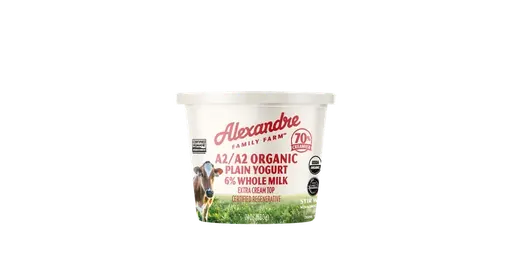
Found in 1 product
Scan any product to see every ingredient explained — and healthier swaps.
Download on theApp Store GET IT ONGoogle Play