
Ingredient
Silk
What is Silk?
Silk is a natural fiber produced by certain insects, especially silkworms. It is harvested from the cocoons of silkworms through a process called sericulture. Silk fibers are known for their smooth texture and shimmering appearance.
Silk is primarily used in the textile industry for making luxury garments, such as underwear and dresses, due to its softness and elegance. There are no known health risks associated with wearing silk as it is not used in food, beverages, or personal-care products.
When you see silk on a label, it's typically referring to the material used in clothing. It is valued for its comfort and breathable qualities, making it suitable for sensitive skin.
Commonly found in: Underwear, Dresses, Blouses, Scarves, Bedding
Benefits
- Silk is hypoallergenic and can be gentle on sensitive skin.
- It is breathable, making it comfortable to wear in various conditions.
The FDA does not regulate silk as it is a textile material and not used in consumables.
Research highlights silk's hypoallergenic properties and suitability for allergy sufferers.
Silk is not considered vegan as it is derived from silkworms.
Sources: Properties of Silk Fiber
Scout's take
Silk is a natural fiber derived from silkworms, making it a sustainable and biodegradable material. Its organic nature contributes to a very low likelihood of microplastic leaching.
More from Scout's analyses
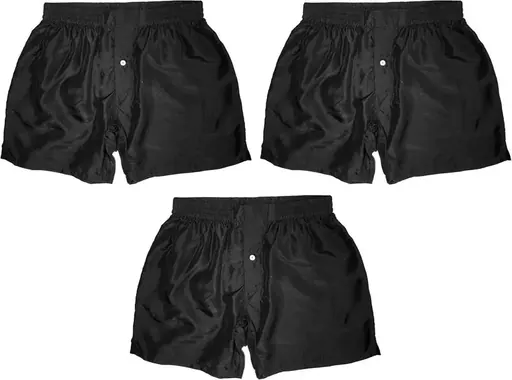
100% washable silk, a natural fiber known for its softness and breathability. It is gentle on the skin and does not leach harmful microplastics.
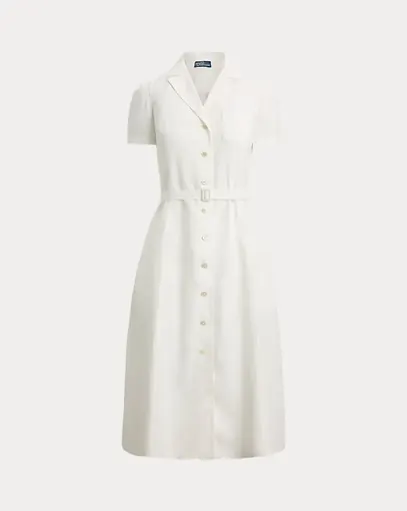
from the analysis of Quince Men's 100% Washable Silk Boxer BlackSilk is a natural fiber known for its luxurious feel and biodegradability, making it an excellent choice for sustainable fashion.
from the analysis of Polo Ralph Lauren Belted Silk-Blend A-Line DressFound in 3 products

Scan any product to see every ingredient explained — and healthier swaps.
Download on theApp Store GET IT ONGoogle Play