
Ingredient
Smoke Flavoring
What is Smoke Flavoring?
Smoke flavoring is a food additive used to imbue a smoky flavor into various products. It can be created through the direct smoking process or by condensing smoke and later liquidizing it.
It is used to enhance flavors in foods like meats, seafood, and even some sauces, without the need for an actual smoking process. Health evidence on smoke flavoring varies, as some studies have raised concerns about potential carcinogens if not properly processed and purified. However, it is generally recognized as safe in moderation by food safety authorities.
When you see smoke flavoring on a label, it’s important to note that it’s an additive replicating the effect of traditional smoking methods, but doesn’t carry the same preservation qualities of real smoking.
Commonly found in: seafood, restaurant items, meat products, sauces, snack foods
What to watch
- Some smoke flavorings can contain polycyclic aromatic hydrocarbons (PAHs), which are potential carcinogens.
Smoke flavoring is generally recognized as safe (GRAS), but its processing method and purity determine its safety.
There is ongoing research into the levels of PAHs in smoke flavoring, with some studies suggesting potential health risks.
Smoke flavoring is usually made from plant or wood sources, making it suitable for vegans.
Sources: Smoke Flavoring
Scout's take
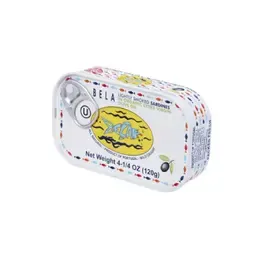
Light smoke adds trace polycyclic aromatic hydrocarbons; acceptable at low levels but not ideal
Found in 1 product
Scan any product to see every ingredient explained — and healthier swaps.
Download on theApp Store GET IT ONGoogle Play