
Ingredient · Updated
Sodium Cocoate
Found in 1 product
What is Sodium Cocoate?
Sodium cocoate is a salt derived from coconut oil and is created through the process of saponification, where coconut oil is mixed with sodium hydroxide (lye). This ingredient is commonly used in the manufacturing of soaps and detergents.
It serves as a surfactant and cleansing agent due to its ability to help water and oil mix, allowing it to effectively wash away dirt and grease. There is little scientific controversy over sodium cocoate in its typical use in cleaning products, and it has been long used safely in these contexts.
When seeing sodium cocoate on a label, it indicates that the product can effectively remove impurities due to its cleansing properties. It is considered to be an efficient and commonly accepted soap base.
Commonly found in: Soaps, Detergents, Shampoos, Body washes, Facial cleansers
Benefits
- Effective cleansing properties derived from coconut oil.
Sodium cocoate is not subject to significant FDA regulations when used in personal care and cleaning products.
Research indicates sodium cocoate is a safe and effective cleansing agent in typical use cases.
Derived from coconut oil, it is considered vegan-friendly and not derived from animal sources.
Scout's take
Sodium cocoate is a soap derived from coconut oil, known for its effective cleaning properties. It is biodegradable and considered safe for use in cleaning products. It is a mild surfactant that helps to break down grease and dirt.
The case against
There are minimal risks associated with sodium cocoate, primarily limited to potential skin irritation in sensitive individuals.
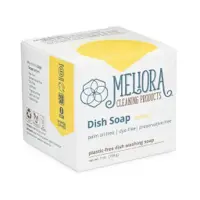
from the analysis of Meliora Cleaning Products Plastic-Free Dish Soap LemonThe case for
It is plant-derived and biodegradable, making it an environmentally friendly choice for cleaning products.
from the analysis of Meliora Cleaning Products Plastic-Free Dish Soap LemonAll 1 product with Sodium Cocoate
Where Sodium Cocoate shows up
- Dishwasher 1 product
Scan any product to see every ingredient explained — and healthier swaps.