
Ingredient
Sourdough
What is Sourdough?
Sourdough is a type of bread made through the fermentation of dough using naturally occurring lactobacilli and yeast. This fermentation process gives sourdough its distinctive tangy flavor and chewy texture, as well as its slightly sour taste.
Sourdough is used in various products, especially bakery items such as bread and crackers, due to its flavor and potential digestibility benefits. Some studies suggest that the fermentation process can partially break down gluten, making it easier to digest for some people, although it is not gluten-free. Health evidence on sourdough is mostly positive, noting its natural fermentation benefits, but does not support any specific health claims.
When seeing sourdough on a label, it indicates the use of traditional fermentation methods, which may alter the texture and flavor profile of the product.
Commonly found in: bread, crackers, pizza crusts, baked goods
Benefits
- May enhance flavor and texture through natural fermentation.
- Potentially easier to digest for some people due to partial gluten breakdown.
The FDA does not specifically regulate sourdough as it is considered a traditional food product, with no additional approvals or restrictions.
Research highlights the benefits of natural fermentation in sourdough, though evidence for specific health claims is mostly indirect.
Sourdough is typically considered vegan unless non-vegan ingredients are added during production.
Scout's take
Sourdough is a fermented dough that can improve the digestibility of grains. The fermentation process can enhance nutrient absorption. It is a traditional method of bread-making with no significant health concerns.
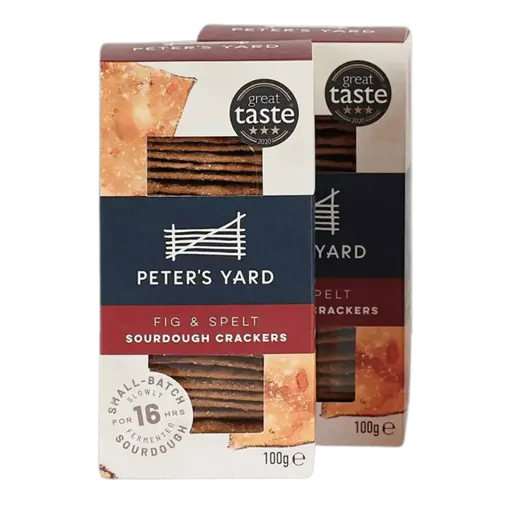
Found in 1 product
Scan any product to see every ingredient explained — and healthier swaps.
Download on theApp Store GET IT ONGoogle Play