
Ingredient
Sugar and Dextrose
What is Sugar and Dextrose?
Sugar and dextrose are types of carbohydrates. Sugar typically refers to sucrose, which is derived from sugarcane or sugar beets, and dextrose is a form of glucose derived from corn or other starches.
Both are used as sweeteners in food and beverages, enhancing flavor and providing energy. The health implications of consuming these sugars are widely debated, with concerns about calorie content and potential links to conditions like obesity and dental caries.
When you see sugar and dextrose on a label, they're primarily there to sweeten the product and sometimes aid in texture or preservation.
Commonly found in: sodas, baked goods, confections, energy drinks, processed foods
What to watch
- Excessive consumption of sugar can contribute to obesity and metabolic issues.
- There is a link between high sugar intake and increased risk of dental cavities.
Benefits
- Provides a quick source of energy, useful for athletes during intense exercise.
Recognized as safe when consumed in moderation, but high intake is cautioned against.
Studies indicate potential health risks with overconsumption, but moderate intake can be part of a balanced diet.
Sugar is generally vegan, but some production processes may use bone char, which is a concern for strict vegans.
Sources: Added Sugars: Intake Health Impacts and Implications
Scout's take
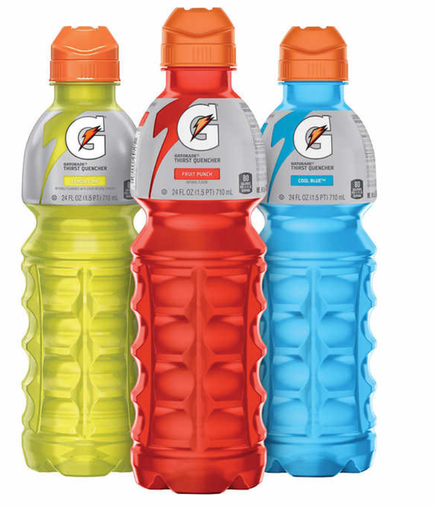
34g added sugar per bottle (69% DV) from TWO sugar sources. 140 calories of pure sugar water. This is soda without carbonation.
Found in 1 product
Scan any product to see every ingredient explained — and healthier swaps.
Download on theApp Store GET IT ONGoogle Play