
Ingredient
Sugar (Sucrose and Glucose)
What is Sugar (Sucrose and Glucose)?
Sugar, comprising primarily sucrose and glucose, is a natural sweetener derived from sugarcane or sugar beet. It consists of simple carbohydrates that are metabolized by the body for energy.
Sugar is extensively used in food and drink products to enhance sweetness and improve flavor. While it provides a quick energy boost, high intake has been linked to various health issues such as weight gain and dental cavities.
When you see sugar on a label, it's important to consider the quantity relative to the overall nutritional content of the product. Moderation is key, as excessive consumption may pose health risks.
Commonly found in: baked goods, beverages, candies, desserts, processed foods
What to watch
- High sugar intake is associated with an increased risk of obesity.
- Excess consumption can lead to dental cavities and other oral health issues.
- Frequent consumption may contribute to metabolic syndrome, which includes type 2 diabetes and heart disease.
Benefits
- Sugar provides a quick source of energy, especially useful in physically demanding situations.
Sugar is generally recognized as safe (GRAS) by the FDA, although consumption in moderation is recommended.
Research indicates health risks associated with excessive sugar consumption, such as weight gain and metabolic disorders, yet moderate intake is considered acceptable.
Sugar itself is vegan, but processing methods (e.g., use of bone char) can affect its vegan status.
Sources: GRAS Substances (SCOGS) Database · Health Effects of Sugar Intake
Scout's take
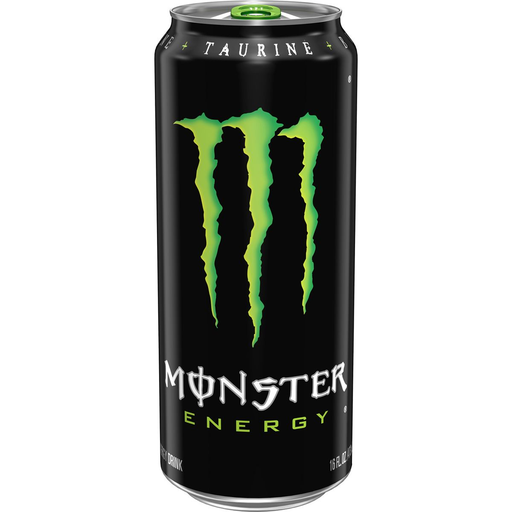
54g added sugar per can (108% DV) — 13.5 teaspoons. Massive glycemic spike with zero nutritional value. Two different sugar sources stacked together for maximum sweetness.
Found in 1 product
Scan any product to see every ingredient explained — and healthier swaps.
Download on theApp Store GET IT ONGoogle Play