
Ingredient
Tetrasodium EDTA + Disodium EDTA
What is Tetrasodium EDTA + Disodium EDTA?
Tetrasodium EDTA and Disodium EDTA are synthetic chelating agents commonly used in personal care products. They are produced through a reaction of ethylenediamine, formaldehyde, and sodium cyanide or sodium hydroxide.
These compounds serve to improve the stability and shelf life of products by binding to metal ions, preventing them from precipitating or acting as catalysts in degradation reactions. Health evidence suggests limited absorption through the skin, and high doses are generally required to pose toxicity risks, though the skin absorption rate is low. They are considered safe in low concentrations typically used in cosmetic formulations.
When you spot them on a label, it signifies the formulators' intent to enhance product stability and compatibility, especially in products exposed to air or different temperatures.
Commonly found in: shampoos, conditioners, body washes, soaps, lotions
What to watch
- There is a concern about their environmental impact due to persistence and bioaccumulation in water bodies.
Benefits
- They enhance the shelf life and stability of personal care products by preventing metal ion-induced degradation.
The FDA allows the use of EDTA compounds in cosmetics as it considers them safe at low concentrations.
Research shows limited absorption through the skin, with toxicity concerns typically arising only at high concentrations.
These ingredients are synthetically produced and generally considered vegan.
Scout's take
Two EDTA chelators stacked; mild penetration enhancers and environmentally persistent.
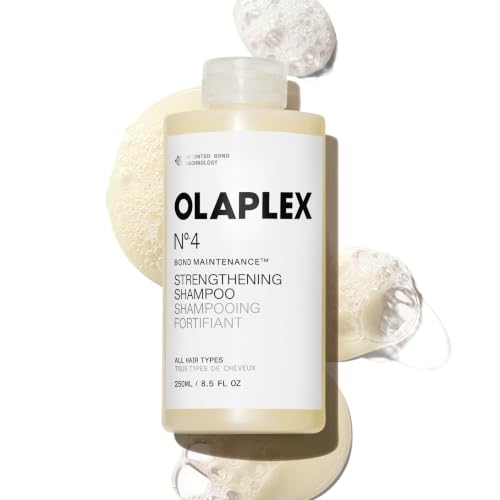
Found in 1 product
Scan any product to see every ingredient explained — and healthier swaps.
Download on theApp Store GET IT ONGoogle Play