
Ingredient
Vitamin B3 (Niacin)
What is Vitamin B3 (Niacin)?
Vitamin B3, also known as Niacin, is a water-soluble vitamin that is integral to the proper functioning of the body. It is commonly added to foods and supplements and can also be found naturally in meats, fish, seeds, and nuts.
Vitamin B3 is primarily used to support overall health, particularly in the metabolism of fats, carbohydrates, and proteins. It also plays a role in healthy skin and nerve function. While generally considered safe, high doses can cause flushing and other adverse effects.
When you see Vitamin B3 on a label, it often indicates fortification, where nutrients are added to enhance the nutritional profile of a product, especially in cereals and supplements.
Commonly found in: Cereals, Supplements, Energy Drinks, Fortified Foods
What to watch
- High doses of Vitamin B3 can cause skin flushing and itching.
- Very high intakes might lead to liver damage.
Benefits
- Essential for converting food into energy.
- Supports skin health and nervous system function.
Vitamin B3 is recognized as an essential nutrient, and its use in fortification and supplementation is commonly approved by the FDA.
Research highlights Vitamin B3's benefits in metabolism, but warns of side effects at high doses, such as skin flushing and potential liver issues.
Vitamin B3 is typically sourced from plant-based materials for supplements and is considered vegan-friendly.
Scout's take
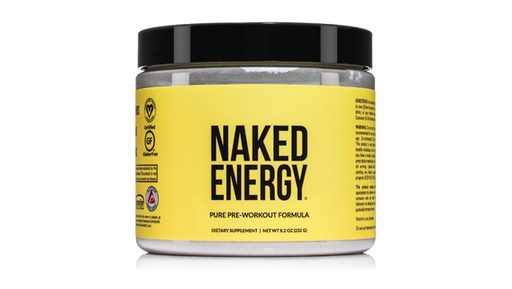
250% DV niacin supports energy metabolism and blood flow. Essential B-vitamin for cellular energy production.
Found in 1 product
Scan any product to see every ingredient explained — and healthier swaps.
Download on theApp Store GET IT ONGoogle Play