
Ingredient · Updated
whitened without chlorine
Found in 2 products
Scout's take
The product is whitened without chlorine, which is beneficial as chlorine bleaching can release harmful dioxins. However, the exact process used is not specified, which limits the ability to fully assess its environmental impact. Without knowing the specific method, it is difficult to determine the complete safety and environmental profile.
The case against
The lack of specific information on the whitening process could imply potential unknown environmental impacts.
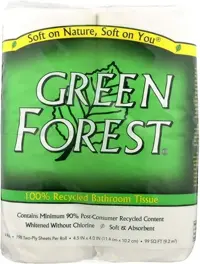
from the analysis of Green Forest 100% Recycled Bathroom TissueThere are minimal risks associated with non-chlorine whitening processes.
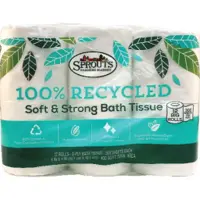
from the analysis of Sprouts Farmers Market Strong & Soft Bath TissueThe case for
Avoiding chlorine bleaching reduces the risk of dioxin pollution, which is beneficial for both health and the environment.
from the analysis of Green Forest 100% Recycled Bathroom TissueThis process is environmentally friendly and reduces the risk of harmful chemical exposure.
from the analysis of Sprouts Farmers Market Strong & Soft Bath TissueMore from Scout's analyses
Whitening without chlorine avoids the release of harmful dioxins into the environment, which are byproducts of chlorine bleaching. This method is safer for both the environment and human health. It is beneficial as it reduces the potential for toxic chemical exposure.
from the analysis of Sprouts Farmers Market Strong & Soft Bath TissueAll 2 products with whitened without chlorine
Where whitened without chlorine shows up
- Toilet Paper 2 products
Scan any product to see every ingredient explained — and healthier swaps.