
Ingredient
Wild-Caught Alaskan
What is Wild-Caught Alaskan?
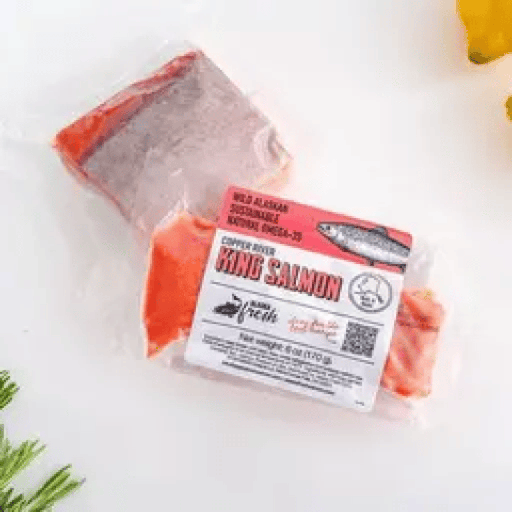
Wild-Caught Alaskan refers to seafood, such as salmon, sourced from the waters around Alaska where fishing practices are regulated to ensure sustainability. These fish are caught in their natural environment rather than being farmed.
Wild-caught seafood is often praised for its robust flavor and nutrient profile, which typically includes high levels of omega-3 fatty acids, protein, and essential vitamins. Some studies suggest that wild-caught fish might have a better omega-3 to omega-6 balance compared to farmed fish.
When you see 'Wild-Caught Alaskan' on a label, it indicates that the seafood is sourced from Alaska's sustainable fisheries, which may be appealing to consumers interested in environmental responsibility.
Commonly found in: Seafood dishes, Canned fish products, Smoked fish, Frozen fish, Ready-to-eat fish meals
What to watch
- Wild-caught fish can contain environmental pollutants, although typically lower than farmed fish.
Benefits
- High in omega-3 fatty acids, which are beneficial for heart health.
- Sustainably sourced, often contributing to environmental conservation.
- Rich in protein and essential nutrients.
Wild-caught seafood is generally recognized as safe and encouraged as part of a balanced diet.
Research suggests benefits in terms of nutrient content and sustainability, with generally lower contaminant levels than farmed fish.
Being derived from fish, Wild-Caught Alaskan is not suitable for a vegan diet.
Scout's take
Clean cold waters with stringent fishery management; no antibiotics or artificial feed
Found in 1 product
Scan any product to see every ingredient explained — and healthier swaps.
Download on theApp Store GET IT ONGoogle Play