
Ingredient
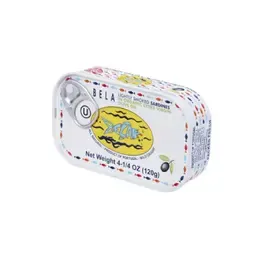
Wild-Caught Atlantic Sardines
What is Wild-Caught Atlantic Sardines?
Wild-Caught Atlantic Sardines are small fish sourced from the North Atlantic Ocean, known for being caught in their natural habitats rather than farmed. They are typically caught using sustainable fishing methods and are popular in many culinary dishes.
These sardines are a source of protein and omega-3 fatty acids, which are believed to support heart health. Consuming fish like sardines is generally associated with various nutritional benefits, although it's important to consider potential exposure to ocean contaminants.
When you see Wild-Caught Atlantic Sardines on a label, it indicates the fish are not cultivated via aquaculture, which can be a consideration for those prioritizing wild seafood options.
Commonly found in: Canned fish, Salads, Pasta dishes, Tapas recipes, Seafood platters
What to watch
- Wild fish may have varying levels of oceanic contaminants like mercury and microplastics, depending on their environment.
Benefits
- Good source of protein and essential fatty acids, which support overall health.
- Rich in omega-3 fatty acids, potentially benefiting heart health.
Sardines are recognized by the FDA as a nutritious food and are generally considered safe for regular consumption.
Research supports the health benefits of consuming oily fish, including potential cardiovascular benefits.
Sardines are animal-derived and not suitable for vegan diets.
Scout's take
Lowest mercury of any commonly eaten fish; extremely high omega-3 with short pollutant-accumulating lifespan
Found in 1 product
Scan any product to see every ingredient explained — and healthier swaps.
Download on theApp Store GET IT ONGoogle Play