
Ingredient
Wild-Caught Yellowfin Tuna
What is Wild-Caught Yellowfin Tuna?
Wild-Caught Yellowfin Tuna, also known as Thunnus albacares, is a type of tuna found in tropical oceans. It is typically caught using sustainable fishing methods such as pole and line or trolling, which reduces bycatch and environmental impact.
Yellowfin tuna is prized for its firm texture and mild flavor, making it popular for sashimi, sushi, and canned tuna products. From a health perspective, it is a rich source of protein, omega-3 fatty acids, and essential nutrients. However, concerns about mercury content mean that consumers are often advised to eat it in moderation.
When this ingredient appears on a label, it usually indicates a focus on quality and sustainability, given the wild-caught sourcing and the species' popularity in culinary applications.
Commonly found in: Canned tuna, Sashimi, Sushi, Salads, Sandwiches
What to watch
- Wild-caught yellowfin tuna may contain mercury, which can pose health risks if consumed in large quantities, especially for pregnant women and young children.
Benefits
- Rich in proteins and omega-3 fatty acids, which support heart, brain, and overall health.
The FDA recognizes tuna as a healthy food but warns about the potential mercury levels, recommending limited consumption especially for certain populations.
Research supports the nutritional benefits of tuna, but continuous monitoring of mercury exposure is advised due to environmental and health concerns.
As a fish product, it is not suitable for vegans or vegetarians.
Sources: Mercury Levels in Commercial Fish and Shellfish (1990-2012) · Fish consumption, omega-3 fatty acids, and lower the risk of heart disease
Scout's take
High protein, good omega-3 content; moderate mercury — lower than albacore/bluefin
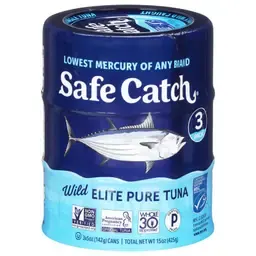
Found in 1 product
Scan any product to see every ingredient explained — and healthier swaps.
Download on theApp Store GET IT ONGoogle Play