
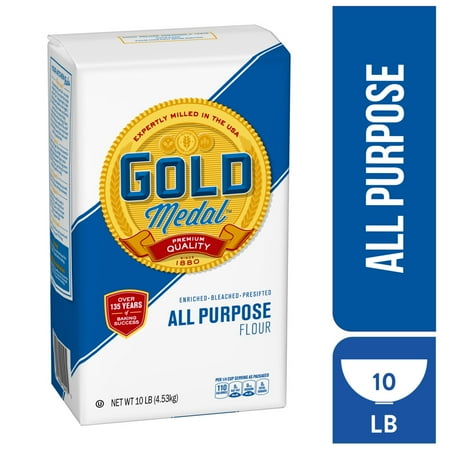


Gold Medal All-Purpose Flour
Summary
Gold Medal All-Purpose Flour is a processed product with a relatively simple ingredient list, primarily consisting of bleached wheat flour and added vitamins. While it lacks harmful additives like artificial colors or high-fructose corn syrup, the bleaching process and enrichment with synthetic vitamins indicate a moderate level of processing. The absence of whole grain content and the presence of refined flour contribute to a lower nutritional profile compared to less processed alternatives.
At a glance
Key ingredients 7
Bleached wheat flourNeutral
Bleached wheat flour is a refined flour that has been chemically treated to improve baking properties. The bleaching process can reduce some nutritional content, such as fiber and certain vitamins. It is commonly used in baking for its fine texture and white color.
Risks
The bleaching process may reduce the nutritional value of the flour, and refined flours can contribute to blood sugar spikes.
NiacinNeutral
Niacin, also known as vitamin B3, is added to enriched flours to replace nutrients lost during processing. It plays a role in energy metabolism and maintaining healthy skin. While beneficial, its addition is primarily to compensate for losses during flour refinement.
Benefits
Supports energy metabolism and helps maintain healthy skin.
IronNeutral
Iron is an essential mineral added to enriched flours to prevent deficiencies. It is crucial for oxygen transport in the blood and energy production. The form of iron used in fortification may vary in bioavailability.
Risks
Excessive iron intake can lead to toxicity, but this is unlikely from fortified foods alone.
Benefits
Essential for oxygen transport and energy production in the body.
Thiamine mononitrateNeutral
Thiamine mononitrate is a synthetic form of vitamin B1 used to fortify flour. It is important for carbohydrate metabolism and nerve function. Fortification helps prevent deficiencies that can occur with refined grain consumption.
Benefits
Supports carbohydrate metabolism and nerve function.
RiboflavinNeutral
Riboflavin, or vitamin B2, is added to enriched flours to restore nutrients lost during processing. It is essential for energy production and cellular function. Its addition helps maintain adequate nutrient intake in diets reliant on refined grains.
Benefits
Essential for energy production and cellular function.
EnzymesNeutral
Enzymes are added to flour to improve dough handling and baking performance. They can enhance texture and volume in baked goods. The specific enzymes used are typically not disclosed, but they are generally recognized as safe.
Benefits
Improves dough handling and baking performance.
Folic acidNeutral
Folic acid is a synthetic form of vitamin B9 added to enriched flours to prevent neural tube defects. It is crucial for DNA synthesis and cell division. Fortification helps ensure adequate intake in populations consuming refined grains.
Risks
Excessive intake can mask vitamin B12 deficiency, but this is unlikely from fortified foods alone.
Benefits
Prevents neural tube defects and supports DNA synthesis.
Processing
Processed Foods
Get the full breakdown in the Scout app
Scan any product to see lab results, healthy alternatives, and your personalized analysis.
Download on theApp Store