

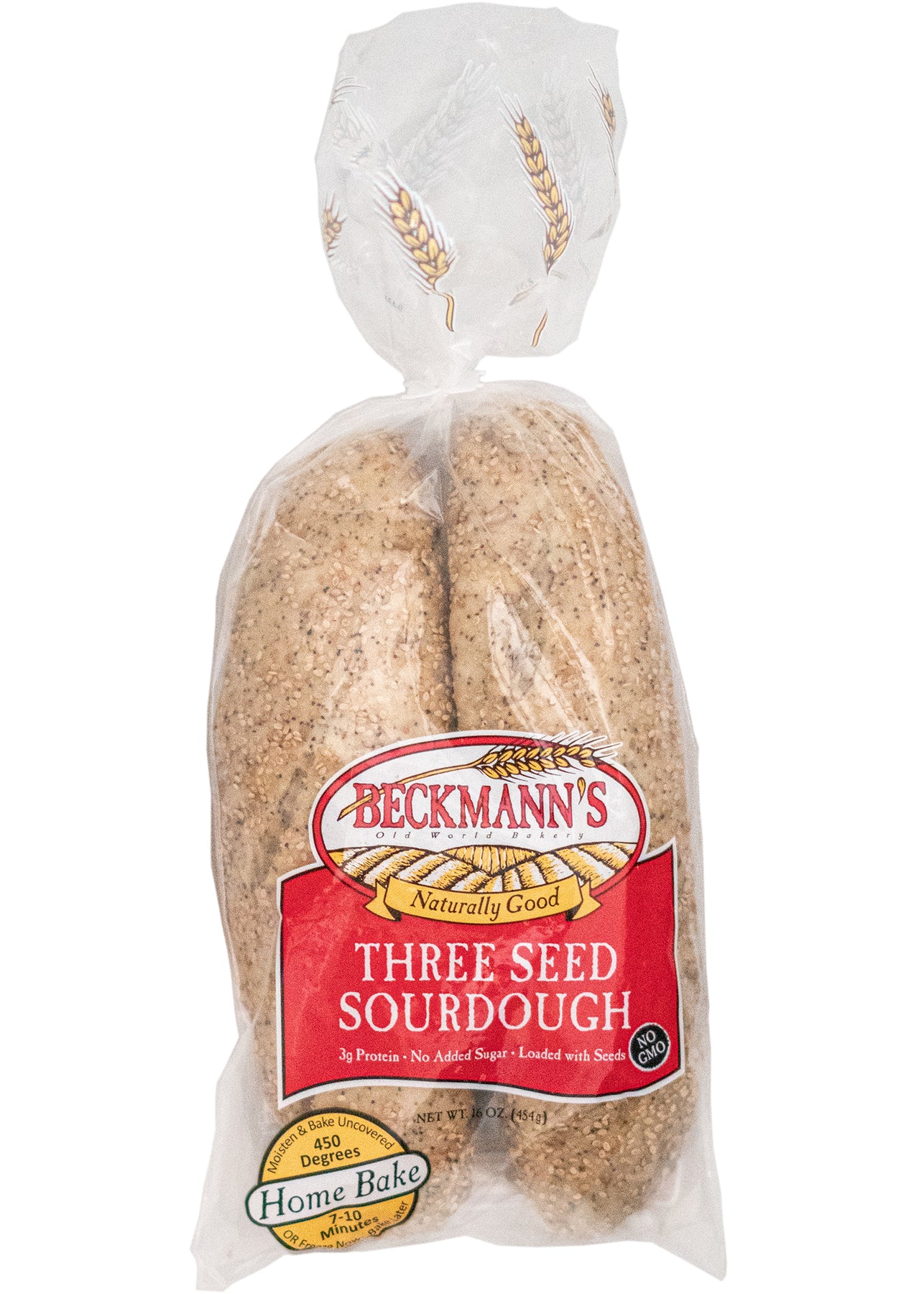
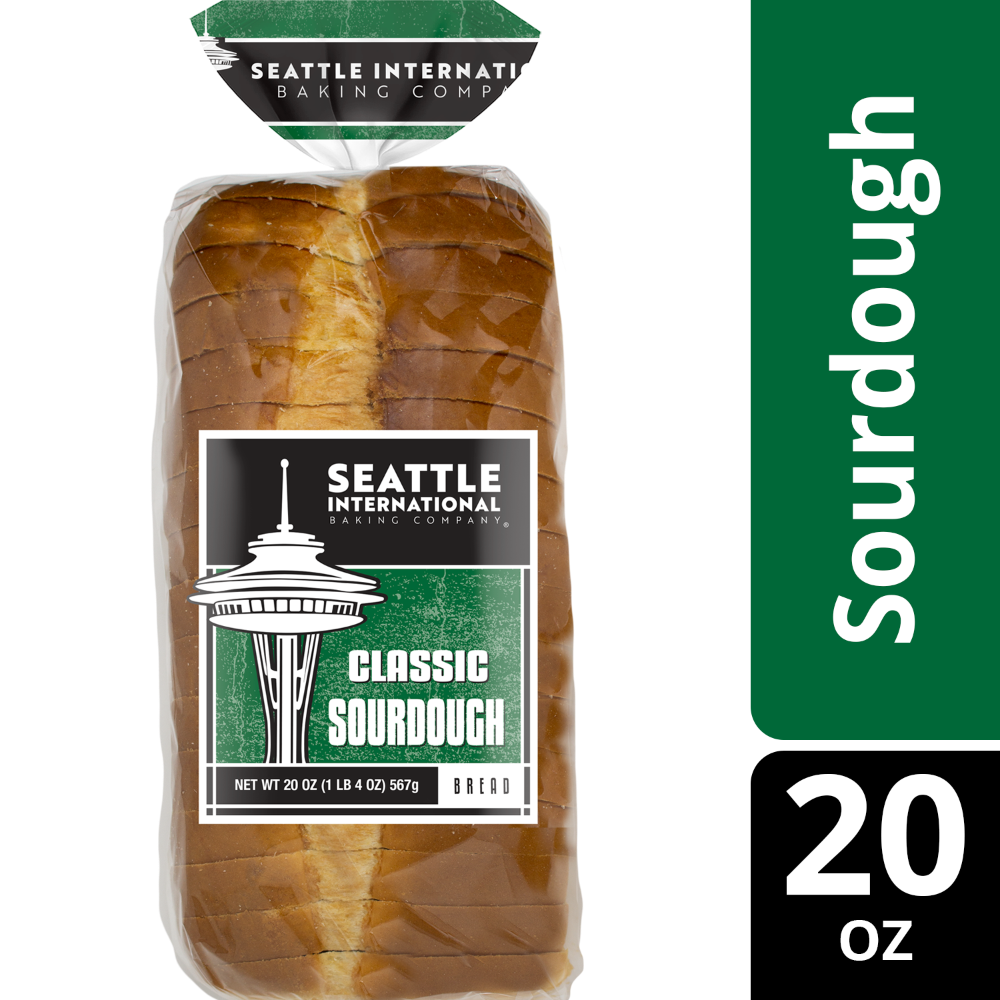

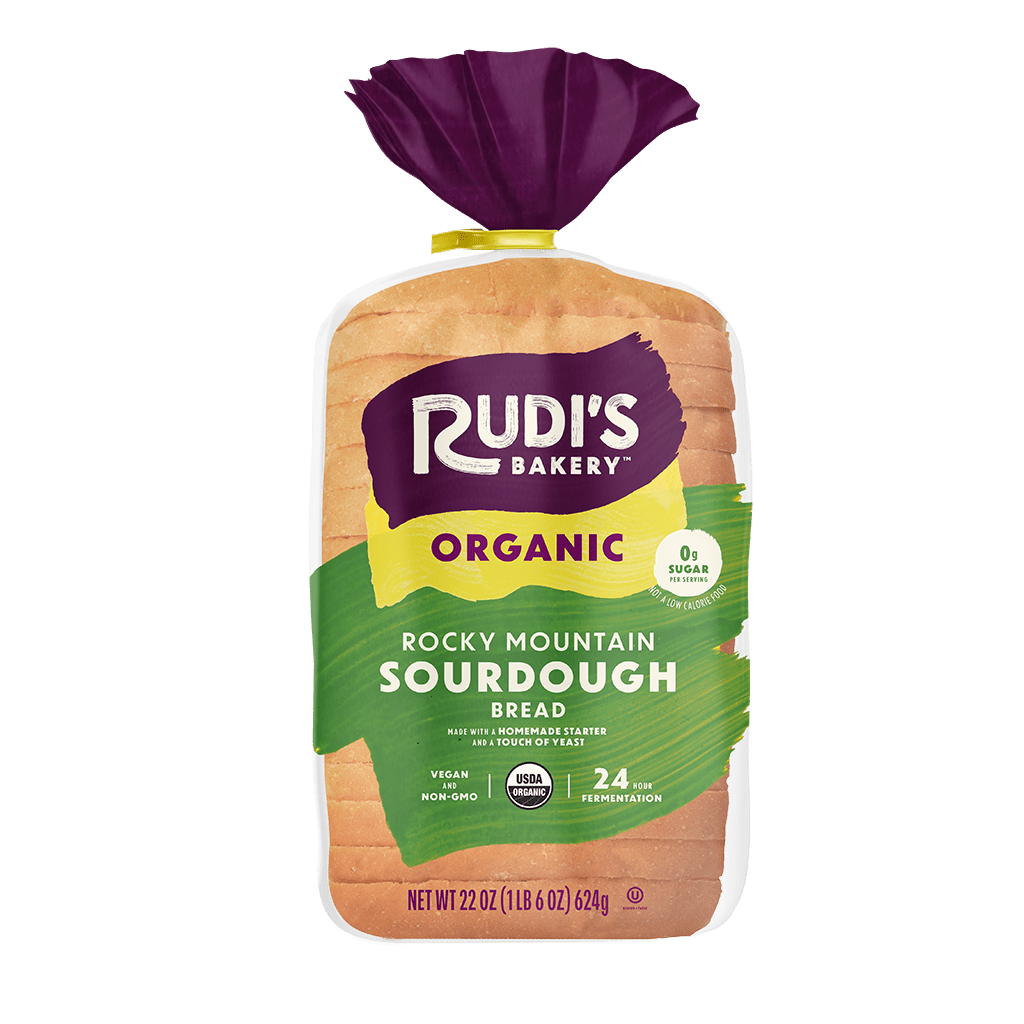
wholemeal sourdough bread
Summary
This wholemeal sourdough bread contains beneficial ingredients like wholemeal wheat flour and extra virgin olive oil, which provide fiber and healthy fats. However, the presence of rapeseed oil and soya flour, both of which are processed and potentially inflammatory, along with the bread's high processing level, significantly impacts its healthiness. The use of a flour treatment agent and the overall ultra-processed nature of the product further limit its score.
At a glance
Key ingredients 10
Wholemeal wheat flourGood
Wholemeal wheat flour is a source of dietary fiber and essential nutrients. It is less processed than white flour, retaining the bran and germ which provide vitamins and minerals. This ingredient supports digestive health and provides sustained energy.
Risks
Contains gluten, which may cause issues for individuals with celiac disease or gluten sensitivity.
Benefits
Rich in fiber, which aids in digestion and helps maintain stable blood sugar levels. Provides essential nutrients like B vitamins and iron.
WaterNeutral
Water is a fundamental ingredient in bread making, providing moisture and aiding in the activation of yeast. It is a neutral ingredient with no direct nutritional impact. Its quality can affect the texture and rise of the bread.
See more about Water →Rapeseed oilVery Bad
Rapeseed oil is a seed oil high in omega-6 fatty acids, which can promote inflammation when consumed in excess. It is often highly processed, which may involve chemical solvents. Compared to healthier oils like olive oil, it lacks beneficial antioxidants.
Risks
High omega-6 content may promote inflammation when consumed in excess.
Sea saltGood
Unrefined sea salt — a minimally processed, natural source of sodium and essential trace minerals, and a legitimate whole-food seasoning. Treated as a positive ingredient.
Risks
Excessive consumption can contribute to high blood pressure and cardiovascular issues.
Benefits
Provides essential sodium for bodily functions, but should be consumed in moderation.
Wheat glutenNeutral
Wheat gluten is added to improve the elasticity and texture of bread. It is a protein that helps bread rise and maintain its shape. While beneficial for bread structure, it poses risks for those with gluten intolerance.
Risks
May cause adverse reactions in individuals with gluten intolerance or celiac disease.
Benefits
Enhances bread texture and elasticity, contributing to a better rise.
Extra virgin olive oilVery Good
Extra virgin olive oil is a high-quality monounsaturated fat with anti-inflammatory properties. It contains antioxidants that support heart health. Cold-pressed extraction preserves beneficial compounds.
Benefits
Rich in monounsaturated fats that support heart health and provide anti-inflammatory properties. Contains antioxidants like vitamin E and polyphenols that may reduce oxidative stress.
Soya flourBad
Soya flour is a processed ingredient that can be allergenic and may contain anti-nutrients. It is often genetically modified and can affect hormone levels due to phytoestrogens. Compared to animal-based proteins, it offers a less complete amino acid profile.
Risks
May cause allergic reactions and contains phytoestrogens that can affect hormone balance.
Benefits
Provides plant-based protein and some essential amino acids.
Fermented wheat flourNeutral
Fermented wheat flour is used to enhance flavor and improve digestibility. The fermentation process can reduce gluten content and increase nutrient availability. It is generally considered a neutral ingredient in terms of health impact.
Benefits
May improve digestibility and nutrient absorption due to fermentation.
Fortified wheat flourNeutral
Fortified wheat flour is enriched with vitamins and minerals like iron and B vitamins. It compensates for nutrient loss during processing. While it provides essential nutrients, it is still a refined flour with less fiber than wholemeal options.
Risks
Contains gluten, which may cause issues for individuals with celiac disease or gluten sensitivity.
Benefits
Provides essential nutrients like iron and B vitamins, which are important for energy metabolism and red blood cell production.
Ascorbic acidNeutral
Ascorbic acid, also known as vitamin C, is used as a flour treatment agent to improve dough strength and volume. It is a natural antioxidant but is used in small amounts in bread. It does not significantly impact the nutritional profile of the bread.
Benefits
Acts as an antioxidant and can improve dough quality and bread volume.
Processing
Ultra-Processed Foods
Get the full breakdown in the Scout app
Scan any product to see lab results, healthy alternatives, and your personalized analysis.
Download on theApp Store