
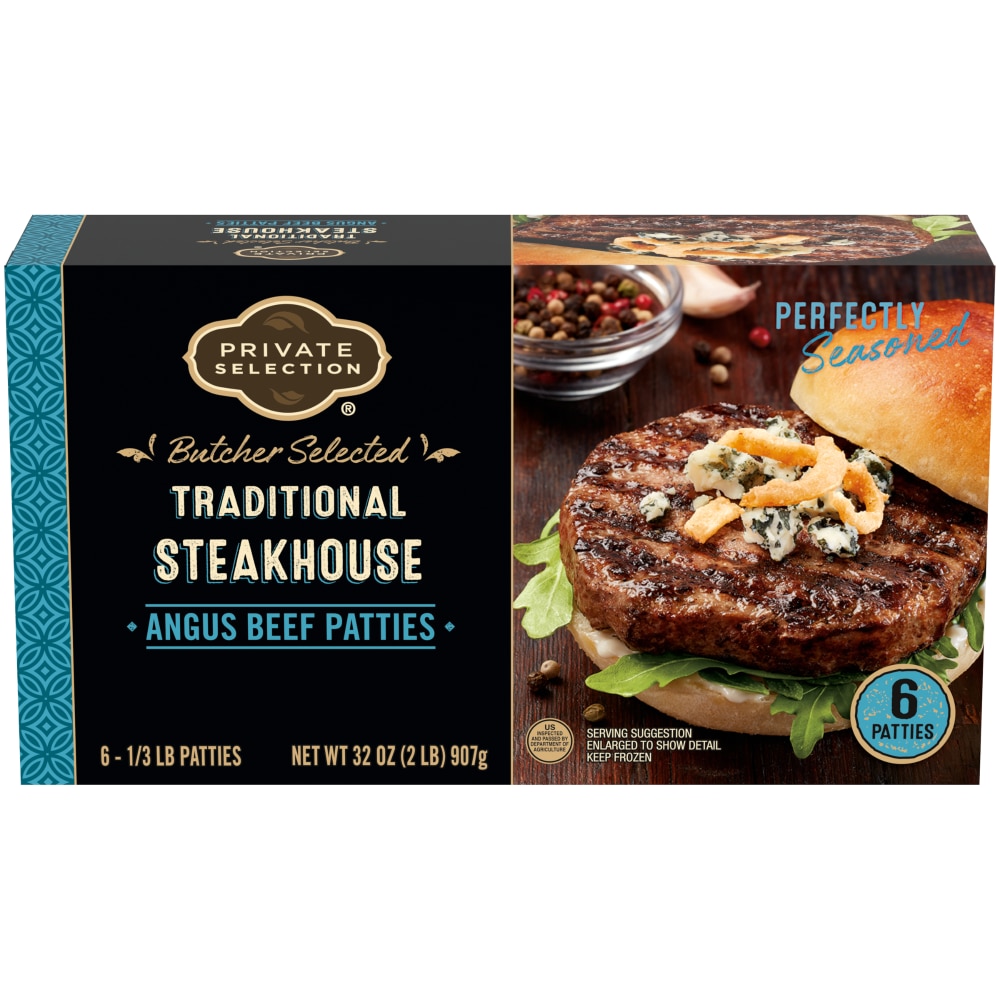
ANGUS BEEF PATTIES
Summary
The Angus Beef Patties contain high-quality beef, which is a good source of protein and essential nutrients. However, the product is heavily processed, containing additives like sodium nitrite and sodium phosphate, which are linked to potential health risks. The inclusion of processed ingredients such as bacon and artificial colors further contributes to its ultra-processed nature, limiting its overall healthiness.
At a glance
Key ingredients 11
BeefGood
Beef is a high-quality source of protein and essential nutrients like iron and B vitamins. It provides a complete amino acid profile, supporting muscle growth and repair. Grass-fed beef would be preferable for higher omega-3 content, but no specific quality indicators are provided here.
Risks
Excessive consumption of red meat may be linked to increased risk of certain diseases.
Benefits
Rich in protein and essential nutrients, supporting muscle health and energy production.
Pasteurized process cheddar cheeseNeutral
This cheese is a processed dairy product that provides calcium and protein. The pasteurization process ensures safety by eliminating harmful bacteria. However, it contains additives like sodium phosphate and artificial color, which may not be ideal for health-conscious consumers.
Risks
Contains additives and artificial color, which may not be suitable for everyone.
Benefits
Provides calcium and protein, contributing to bone health and muscle maintenance.
BaconBad
Bacon is a processed meat high in saturated fat and sodium, which can contribute to cardiovascular issues. It is cured with additives like sodium nitrite, which are linked to potential health risks. While flavorful, its health drawbacks outweigh its benefits.
Risks
High in saturated fat and sodium, increasing the risk of heart disease.
Benefits
Provides protein and a distinct flavor, but benefits are minimal compared to risks.
WaterNeutral
Water is used as a processing aid and does not contribute nutritional value. It helps in maintaining moisture and texture in processed foods. There are no health concerns associated with water in this context.
See more about Water →SeasoningNeutral
Seasoning enhances flavor and may include natural flavorings and potassium chloride. While it adds taste, the term 'natural flavor' is vague and can include a wide range of substances. Potassium chloride is used as a salt substitute but may not be suitable for everyone.
Risks
Potential sensitivity to 'natural flavors' and potassium chloride for some individuals.
Benefits
Enhances flavor without adding significant calories.
Onion powderNeutral
Onion powder is a dehydrated form of onion used for flavoring. It provides a concentrated onion flavor without the moisture of fresh onions. While it adds taste, it does not offer significant nutritional benefits.
Benefits
Adds flavor without significant calories or fat.
Natural flavorBad
The term 'natural flavor' is a catch-all for a variety of flavoring agents, which can include many substances. It lacks transparency and can include additives that some consumers may wish to avoid. While it enhances taste, it does not provide nutritional benefits.
Risks
Potential for undisclosed additives and allergens.
Benefits
Enhances flavor but offers no nutritional value.
Sodium phosphateBad
Sodium phosphate is used as an emulsifier and preservative in processed foods. It can contribute to high sodium intake, which is a concern for cardiovascular health. While it helps maintain texture, its health implications are concerning.
Risks
May contribute to high sodium intake and associated health risks.
Benefits
Helps maintain texture and moisture in processed foods.
Sodium erythorbateNeutral
Sodium erythorbate is an antioxidant used to preserve color and flavor in processed meats. It is considered safe in regulated amounts but does not provide nutritional benefits. Its primary role is to maintain product quality.
Benefits
Helps preserve color and flavor in processed meats.
Sodium nitriteBad
Sodium nitrite is used to cure meats and prevent bacterial growth. It is associated with potential health risks, including the formation of nitrosamines, which are linked to cancer. While it ensures food safety, its health risks are significant.
Risks
Linked to the formation of nitrosamines, which are potential carcinogens.
Benefits
Prevents bacterial growth and ensures food safety.
CelluloseNeutral
Cellulose is a plant-derived fiber used as an anti-caking agent in processed foods. It is safe for consumption and adds bulk without calories. While it aids in texture, it does not provide significant nutritional benefits.
Benefits
Adds bulk and aids in texture without adding calories.
Processing
Ultra-Processed Foods
Get the full breakdown in the Scout app
Scan any product to see lab results, healthy alternatives, and your personalized analysis.
Download on theApp Store