
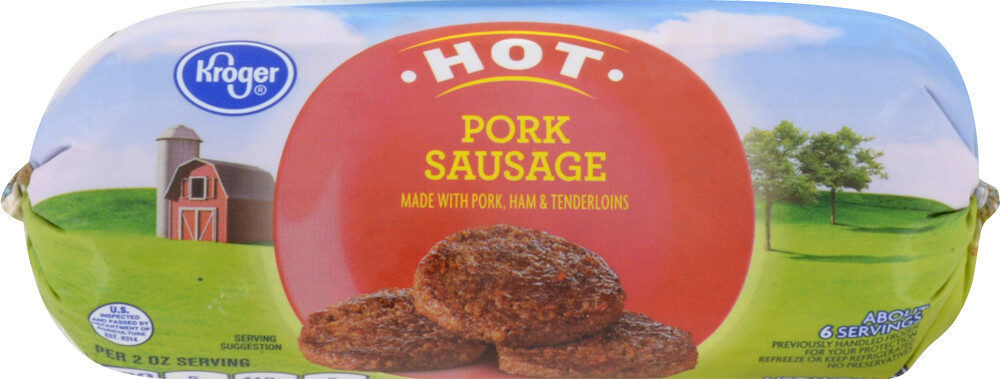


PORK SAUSAGE MADE WITH PORK, HAM & TENDERLOINS
KrogerAnalysis updated July 2026 · How Scout scores
At a glance
Summary
This pork sausage is a processed food with a relatively simple ingredient list, featuring pork as the primary component, which is a high-quality protein source. However, the presence of added sugar and the processing level limit its healthfulness, as sugar contributes to metabolic disorders and the product's processed nature caps its potential score.
Key ingredients 5
PorkGood
Pork is a high-quality source of animal protein, providing essential amino acids. It is rich in vitamins and minerals such as B vitamins, zinc, and iron. When sourced from pasture-raised animals, it offers better nutritional profiles and ethical considerations.
Risks
Excessive consumption of processed pork products may increase the risk of cardiovascular diseases due to high saturated fat content.
Benefits
Provides a rich source of protein and essential nutrients like B vitamins and iron, supporting muscle growth and overall health.
SpicesGood
Whole-food seasonings, antioxidant-bearing.
Benefits
May provide antioxidant properties and enhance flavor without adding calories.
WaterNeutral
Water is used as a processing aid and does not contribute significant nutritional value. It helps in maintaining moisture and texture in processed foods. No significant health impacts are associated with water in this context.
See more about Water →SaltNeutral
Salt is used for flavor enhancement and preservation in processed foods. It is a source of sodium, which is essential for fluid balance and nerve function. However, excessive intake can lead to hypertension and cardiovascular issues.
Risks
High sodium intake is associated with increased risk of hypertension and cardiovascular diseases.
Benefits
Provides essential sodium necessary for maintaining fluid balance and nerve function.
SugarBad
Sugar is added for flavor and preservation but offers no essential nutrients. High consumption of refined sugar is linked to obesity, diabetes, and other metabolic disorders. It is often used in processed foods to enhance taste, which can lead to overconsumption.
Risks
Excessive sugar intake is associated with increased risk of obesity, type 2 diabetes, and dental cavities.
Processing
Processed Foods
Get the full breakdown in the Scout appTake Scout shopping
Scan any product to see lab results, healthy alternatives, and your personalized analysis.
Download on theApp Store GET IT ONGoogle Play