
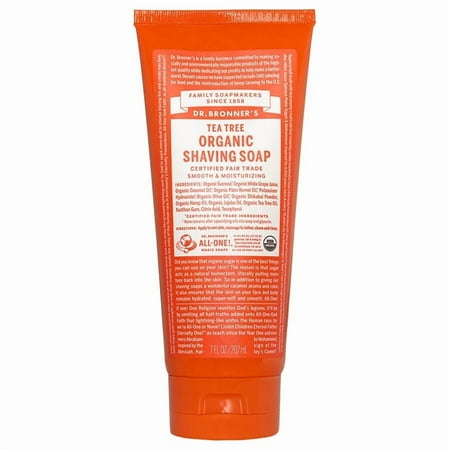


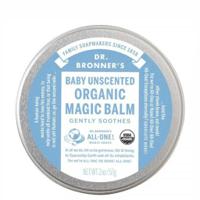
Dr. Bronner s Organic Tea Tree Shaving Soap 7oz
Dr. Bronner'sAnalysis updated August 2026 · How Scout scores
At a glance
Summary
This shaving soap features a clean and natural ingredient list, with organic oils like coconut, olive, and jojoba that provide excellent moisturizing and protective benefits for the skin. The inclusion of tea tree oil adds antimicrobial properties, while the absence of harsh chemicals or synthetic additives ensures a gentle formulation. The product's minimal processing and use of beneficial, recognizable ingredients contribute to its high rating.
Key ingredients 13
Organic Coconut OilVery Good
Organic coconut oil is a natural emollient that helps to moisturize and protect the skin. It is rich in fatty acids that nourish and hydrate the skin. Its antimicrobial properties can also help in reducing skin infections.
Risks
May cause breakouts in acne-prone skin due to its comedogenic nature.
Benefits
Deeply moisturizes and nourishes the skin, providing a protective barrier.
Organic Olive OilVery Good
Organic olive oil is a nourishing oil rich in antioxidants and vitamins. It helps to moisturize and protect the skin, providing anti-inflammatory benefits. It is well-suited for dry and sensitive skin types.
Risks
Minimal risks unless there is a specific allergy.
Benefits
Deeply moisturizes and provides antioxidant protection.
Organic Hemp Seed OilVery Good
Organic hemp seed oil is rich in essential fatty acids and has anti-inflammatory properties. It helps to soothe and moisturize the skin, making it ideal for sensitive and dry skin types. It also supports skin barrier function.
Risks
Minimal risks unless there is a specific allergy.
Benefits
Soothes and moisturizes the skin, supporting barrier function.
Organic Jojoba OilVery Good
Organic jojoba oil closely resembles the skin's natural sebum, making it an excellent moisturizer. It helps to balance oil production and provides anti-inflammatory benefits. It is suitable for all skin types, including acne-prone skin.
Risks
Minimal risks unless there is a specific allergy.
Benefits
Balances oil production and provides anti-inflammatory benefits.
TocopherolVery Good
Tocopherol, or Vitamin E, is a powerful antioxidant that helps to protect the skin from free radical damage. It also provides moisturizing benefits and supports skin healing. It is well-tolerated by most skin types.
Risks
Minimal risks unless there is a specific allergy.
Benefits
Protects against free radical damage and supports skin healing.
Organic Palm Kernel OilGood
Organic palm kernel oil is used for its moisturizing properties and ability to create a creamy lather. It is rich in lauric acid, which has antimicrobial properties. It is generally well-tolerated by most skin types.
Risks
Sustainability concerns exist with palm oil production.
Benefits
Provides moisture and helps in creating a rich lather.
Organic Shikakai PowderGood
Organic shikakai powder is a natural cleanser that is gentle on the skin. It is traditionally used in Ayurvedic practices for its mild cleansing properties. It helps to maintain the skin's natural pH balance.
Risks
Generally safe with minimal risk of irritation.
Benefits
Gently cleanses while maintaining skin's natural pH.
Organic Tea Tree OilGood
Organic tea tree oil is known for its antimicrobial and anti-inflammatory properties. It can help to reduce acne and soothe irritated skin. However, it should be used in moderation to avoid irritation.
Risks
Can cause irritation if used in high concentrations.
Benefits
Reduces acne and soothes irritated skin.
Organic SucroseNeutral
Organic sucrose is a natural sugar used for its humectant properties, helping to retain moisture in the skin. It is generally considered safe and non-irritating. However, it does not provide significant active benefits beyond moisture retention.
Risks
There are minimal risks associated with sucrose in topical applications.
Benefits
It helps to keep the skin hydrated by attracting moisture.
Organic White Grape JuiceNeutral
Organic white grape juice is used for its antioxidant properties and mild astringency. It can help to tone the skin and provide some antioxidant benefits. However, its effects are mild and not as potent as concentrated extracts.
Risks
There is a low risk of irritation unless there is a specific allergy.
Benefits
Provides mild antioxidant benefits and helps in skin toning.
Potassium HydroxideNeutral
Potassium hydroxide is used in soap making to saponify oils, turning them into soap. It is necessary for the soap-making process but is not present in the final product. It can be irritating in its raw form but is neutralized in soap.
Risks
Can be irritating in its raw form but is safe in finished soap products.
Benefits
Essential for the saponification process in soap making.
Xanthan GumNeutral
Xanthan gum is used as a thickening agent and stabilizer in cosmetic formulations. It helps to improve the texture and consistency of the product. It is generally considered safe and non-irritating.
Risks
Minimal risks associated with its use in cosmetics.
Benefits
Improves texture and consistency of the product.
Citric AcidNeutral
Citric acid is used to adjust the pH of cosmetic products. It can also provide mild exfoliation benefits. However, it can be irritating to sensitive skin if used in high concentrations.
Risks
Potential for irritation in sensitive skin at high concentrations.
Benefits
Helps to adjust pH and provides mild exfoliation.
Get the full breakdown in the Scout appTake Scout shopping
Scan any product to see lab results, healthy alternatives, and your personalized analysis.
Download on theApp Store GET IT ONGoogle PlayAmazon pricing & content
Amazon price as of . Product prices and availability are accurate as of the date/time indicated and are subject to change. Any price and availability information displayed on Amazon.com at the time of purchase will apply to the purchase of this product.
CERTAIN CONTENT THAT APPEARS ON THIS SITE COMES FROM AMAZON. THIS CONTENT IS PROVIDED “AS IS” AND IS SUBJECT TO CHANGE OR REMOVAL AT ANY TIME.