


Condensed milk
Analysis updated August 2026 · How Scout scores
At a glance
Summary
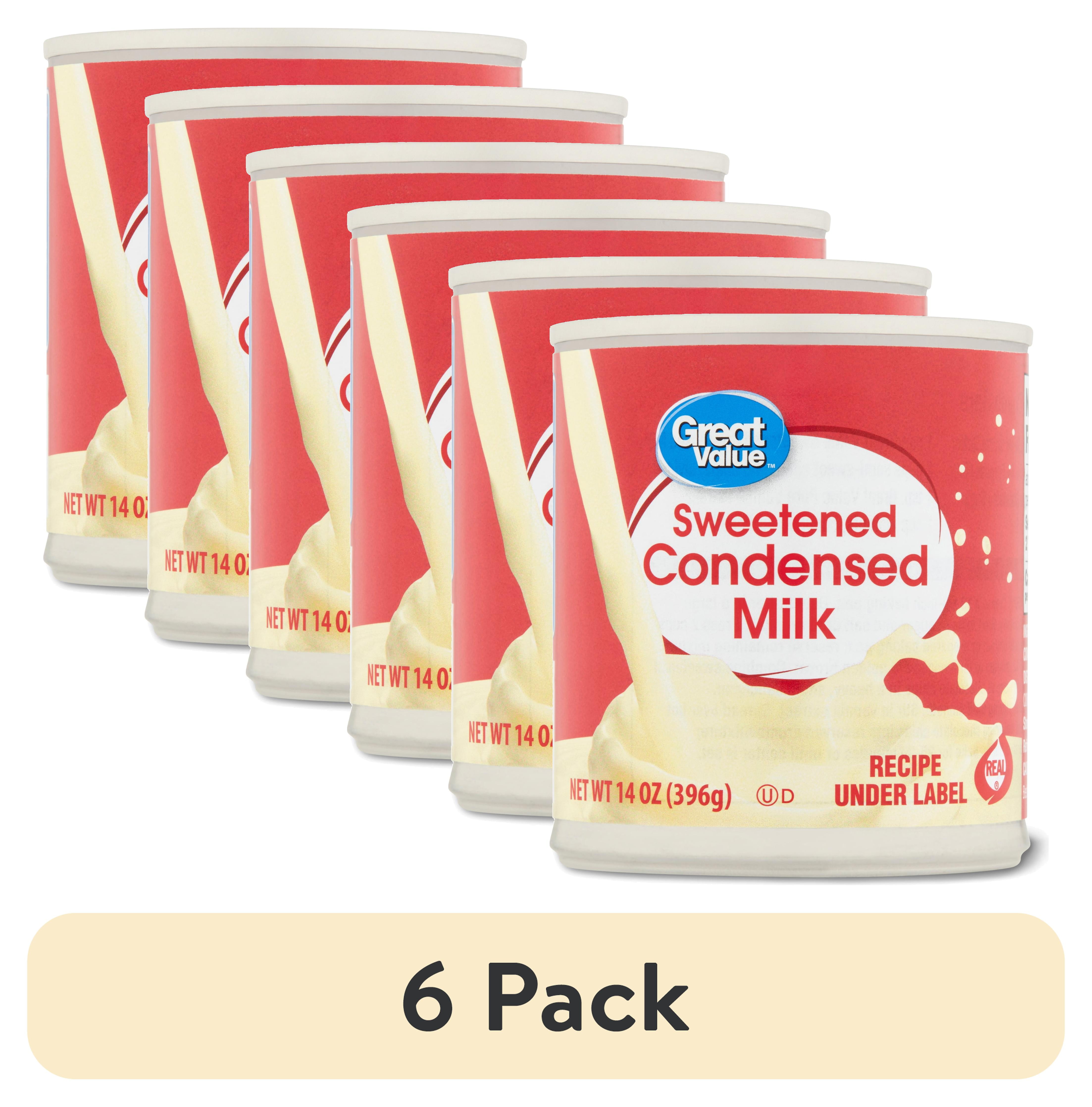
Condensed milk is a processed product primarily composed of nonfat milk and a high amount of refined sugar. The high sugar content contributes to empty calories and potential metabolic issues, which are significant concerns for health. Despite being a dairy product, the level of processing and the presence of added sugar limit its nutritional benefits compared to less processed dairy options.
Key ingredients 3
Nonfat milkNeutral
Nonfat milk is a source of protein and calcium but lacks the beneficial fats found in whole milk. It is processed to remove fat, which can reduce the overall nutrient density. While it provides essential nutrients, it may not be as satiating as full-fat dairy.
Benefits
Provides protein and calcium, essential for bone health and muscle function.
Vitamin A palmitateNeutral
Vitamin A palmitate is a synthetic form of vitamin A used to fortify foods. It helps maintain healthy vision, skin, and immune function. While beneficial in small amounts, excessive intake can lead to toxicity.
Risks
Overconsumption of vitamin A palmitate can lead to hypervitaminosis A, causing liver damage and other health issues.
Benefits
Supports vision, skin health, and immune function when consumed in appropriate amounts.
SugarBad
Refined sugar is associated with increased risk of obesity, type 2 diabetes, and heart disease. It is a highly processed ingredient that provides empty calories without nutritional benefits. Excessive consumption can lead to metabolic issues and dental problems.
Risks
High intake of refined sugar can contribute to weight gain, insulin resistance, and increased risk of chronic diseases.
Processing
Processed Foods
Get the full breakdown in the Scout appTake Scout shopping
Scan any product to see lab results, healthy alternatives, and your personalized analysis.
Download on theApp Store GET IT ONGoogle PlayAmazon pricing & content
Amazon price as of . Product prices and availability are accurate as of the date/time indicated and are subject to change. Any price and availability information displayed on Amazon.com at the time of purchase will apply to the purchase of this product.
CERTAIN CONTENT THAT APPEARS ON THIS SITE COMES FROM AMAZON. THIS CONTENT IS PROVIDED “AS IS” AND IS SUBJECT TO CHANGE OR REMOVAL AT ANY TIME.