
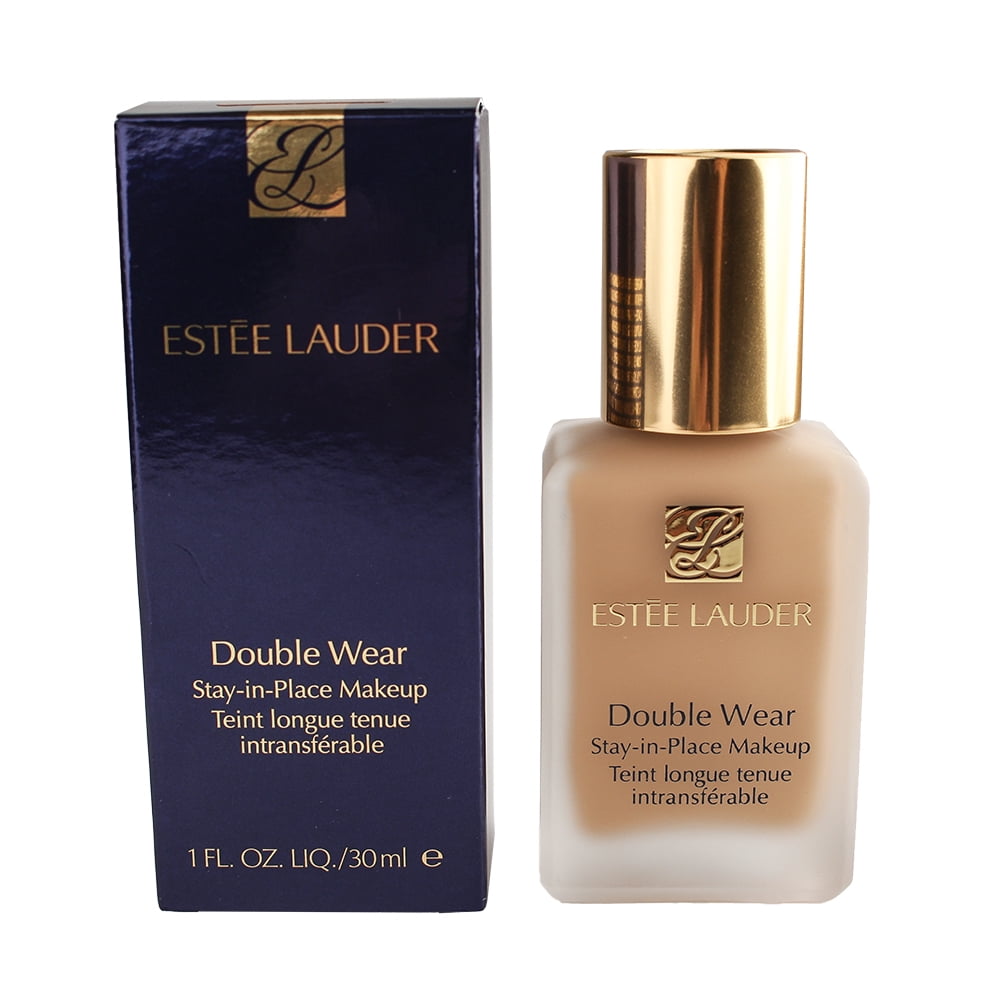


Estee Lauder Double Wear Stay-in-Place Makeup - 3W2 Cashew 1oz/30ml
Analysis updated August 2026 · How Scout scores
At a glance
Summary
This foundation contains a mix of silicones and other synthetic ingredients, which are common in makeup products for their texture and application properties. While it does not contain any highly concerning chemicals like parabens or formaldehyde releasers, the presence of synthetic compounds and the level of processing prevent it from achieving a higher score. The product lacks natural oils or botanicals that could enhance its safety profile.
Key ingredients 10
WaterNeutral
Water is a common solvent used in cosmetics to dissolve other ingredients. It helps in the application and spreadability of the product. It does not provide any direct benefits or risks in this formulation.
Risks
There are no significant risks associated with water in cosmetics.
Benefits
Water aids in the consistency and application of the product.
Methyl TrimethiconeNeutral
Methyl Trimethicone is a silicone used to provide a smooth application and a silky feel. It helps in improving the texture of the product. It is generally considered safe for use in cosmetics.
Risks
There are minimal risks, but some individuals may experience skin irritation.
Benefits
It enhances the spreadability and smoothness of the product.
TrimethylsiloxysilicateNeutral
Trimethylsiloxysilicate is a film-forming agent that helps in long-lasting wear of the product. It provides water resistance and enhances the durability of the makeup. It is considered safe for use in cosmetics.
Risks
There are minimal risks, primarily related to potential skin irritation.
Benefits
It improves the longevity and water resistance of the makeup.
AluminaNeutral
Alumina is used as an abrasive and thickening agent in cosmetics. It helps in improving the texture and stability of the product. It is generally recognized as safe for use in cosmetics.
Risks
There are minimal risks, with rare cases of skin irritation.
Benefits
It enhances the texture and stability of the product.
Butylene GlycolNeutral
Butylene Glycol is a common humectant used to retain moisture in the skin. It also helps in improving the texture and spreadability of the product. It is considered safe for use in cosmetics.
Risks
In rare cases, it may cause skin irritation or allergic reactions.
Benefits
It helps in maintaining skin hydration and improves product texture.
Cellulose GumNeutral
Cellulose Gum is used as a thickening agent and stabilizer in cosmetics. It helps in maintaining the consistency and stability of the product. It is considered safe for use in cosmetics.
Risks
There are minimal risks, with rare cases of skin irritation.
Benefits
It improves the consistency and stability of the product.
CyclopentasiloxaneNeutral
Cyclopentasiloxane is a silicone used for its conditioning and smoothing properties. It helps in providing a silky feel and enhances the spreadability of the product. It is generally considered safe for use in cosmetics.
Risks
There are minimal risks, primarily related to potential skin irritation.
Benefits
It provides a smooth application and enhances product spreadability.
Disteardimonium HectoriteNeutral
Disteardimonium Hectorite is used as a thickening and suspending agent in cosmetics. It helps in maintaining the stability and consistency of the product. It is considered safe for use in cosmetics.
Risks
There are minimal risks, with rare cases of skin irritation.
Benefits
It enhances the stability and consistency of the product.
Iron Oxides (CI 77491, CI 77499)Neutral
Iron Oxides are used as pigments to provide color in cosmetics. They are stable and non-toxic, making them suitable for use in makeup products. They are considered safe for use in cosmetics.
Risks
There are minimal risks, with rare cases of skin irritation.
Benefits
They provide color and are stable, non-toxic pigments.
DimethiconeBad
Occlusive silicone film-former — flagged under clean-beauty doctrine.
Risks
Rarely, it may cause skin irritation in sensitive individuals.
Benefits
It provides a smooth application and helps retain skin moisture.
Processing
Processed Foods
Get the full breakdown in the Scout appTake Scout shopping
Scan any product to see lab results, healthy alternatives, and your personalized analysis.
Download on theApp Store GET IT ONGoogle PlayAmazon pricing & content
Amazon price as of . Product prices and availability are accurate as of the date/time indicated and are subject to change. Any price and availability information displayed on Amazon.com at the time of purchase will apply to the purchase of this product.
CERTAIN CONTENT THAT APPEARS ON THIS SITE COMES FROM AMAZON. THIS CONTENT IS PROVIDED “AS IS” AND IS SUBJECT TO CHANGE OR REMOVAL AT ANY TIME.