


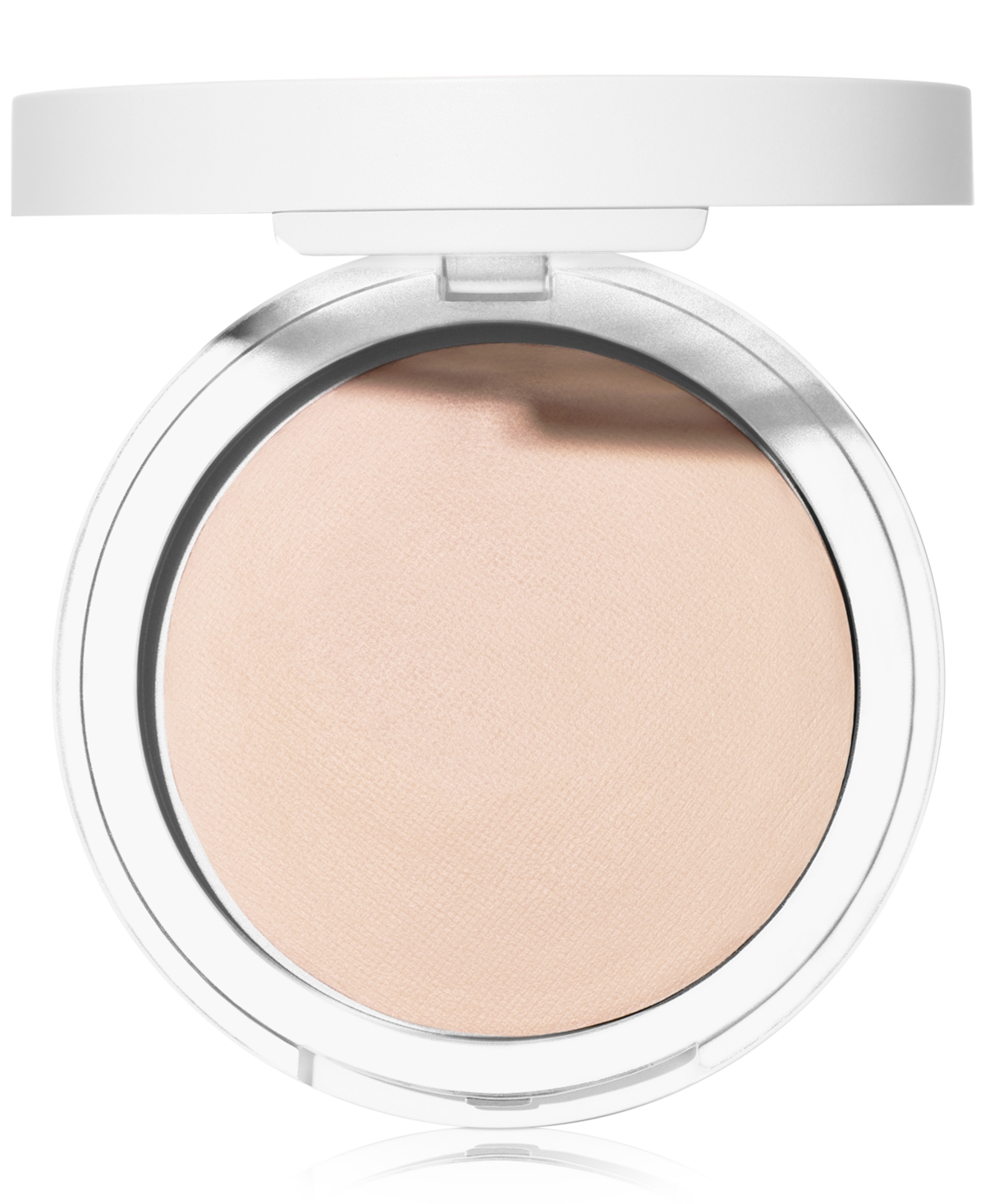
Ultra Le Teint Ultrawear All Day Comfort Flawless Finish Foundation - # B20 (Beige) - 30ml/1oz
Analysis updated September 2026 · How Scout scores
At a glance
Summary
This foundation contains beneficial ingredients like glycerin and tocopheryl acetate, which provide moisturizing and antioxidant benefits. However, the presence of synthetic fragrance can be a potential irritant and allergen, which detracts from its overall safety profile. Additionally, the inclusion of PEG/PPG compounds and other synthetic ingredients suggests a moderate level of processing, impacting the overall score.
Key ingredients 24
GlycerinGood
Glycerin is a humectant that attracts moisture to the skin, helping to keep it hydrated. It is widely used in skincare for its moisturizing properties. It is considered safe and beneficial for most skin types.
Risks
Generally safe with minimal risks.
Benefits
Helps to maintain skin hydration and improve skin barrier function.
Tocopheryl AcetateGood
Tocopheryl Acetate is a form of Vitamin E, known for its antioxidant properties. It helps to protect the skin from free radical damage. It is considered beneficial for skin health.
Risks
Generally safe with minimal risks.
Benefits
Provides antioxidant protection and supports skin health.
CI 77491, CI 77492, CI 77499 (Iron Oxides)Good
Beneficial ingredient — whole-food or functional value in this product class.
Risks
Minimal risks; generally safe for use.
Benefits
Provides color and enhances product appearance.
MicaGood
Beneficial ingredient — whole-food or functional value in this product class.
Risks
Minimal risks; generally safe for use.
Benefits
Adds shimmer and enhances product appearance.
Aqua (Water)Neutral
Water is a common solvent used in cosmetics to dissolve other ingredients. It helps in the application and spreadability of the product. It does not have any direct benefits or risks associated with its use in cosmetics.
Risks
There are no significant risks associated with water in cosmetics.
Benefits
Water helps in the even distribution of other ingredients in the formulation.
IsododecaneNeutral
Isododecane is a hydrocarbon used for its lightweight and non-greasy feel. It helps in the quick drying of the product and provides a silky finish. It is generally considered safe with minimal risks.
Risks
Minimal risks; may cause irritation in very sensitive skin.
Benefits
Contributes to a lightweight, non-greasy feel and quick drying time.
TrimethylsiloxysilicateNeutral
This ingredient is a silicone resin that provides water resistance and film-forming properties. It helps in the long-lasting wear of the product. It is generally safe but can cause skin build-up.
Risks
Potential for skin build-up and may cause breakouts in sensitive individuals.
Benefits
Enhances the longevity and water resistance of the product.
Butylene GlycolNeutral
Butylene Glycol is a conditioning agent that helps to improve the texture and spreadability of the product. It also acts as a solvent for other ingredients. It is generally considered safe with low risk of irritation.
Risks
Low risk of irritation in sensitive individuals.
Benefits
Improves product texture and helps in ingredient solubility.
Peg/Ppg-18/18 DimethiconeNeutral
This is a silicone-based polymer used for its conditioning and smoothing properties. It helps in the even application of the product. It is generally considered safe but can cause build-up on the skin.
Risks
Potential for skin build-up and may cause breakouts in sensitive individuals.
Benefits
Provides a smooth application and enhances product spreadability.
PolymethylsilsesquioxaneNeutral
Polymethylsilsesquioxane is a silicone powder that provides a silky feel and enhances the product's spreadability. It is used to improve the texture and finish of the product. It is generally considered safe with minimal risks.
Risks
Minimal risks; may cause irritation in very sensitive skin.
Benefits
Contributes to a silky feel and improved product texture.
Polyglyceryl-3 DiisostearateNeutral
This ingredient is an emulsifier that helps to blend oil and water-based components. It is derived from natural sources and is generally considered safe. It helps in maintaining the stability of the formulation.
Risks
Minimal risks; generally safe for use.
Benefits
Enhances product stability and ensures even distribution of ingredients.
Disteardimonium HectoriteNeutral
Disteardimonium Hectorite is a thickening agent that helps to stabilize emulsions. It provides a smooth texture and consistency to the product. It is generally considered safe with minimal risks.
Risks
Minimal risks; generally safe for use.
Benefits
Improves product consistency and stability.
TribeheninNeutral
Tribehenin is an emollient that helps to soften and smooth the skin. It is used to improve the texture and feel of the product. It is generally considered safe with minimal risks.
Risks
Minimal risks; generally safe for use.
Benefits
Enhances skin smoothness and product texture.
Magnesium SulfateNeutral
Magnesium Sulfate is used as a thickening agent and to improve the texture of the product. It is generally considered safe with minimal risks. It helps in maintaining the consistency of the formulation.
Risks
Minimal risks; generally safe for use.
Benefits
Improves product texture and consistency.
Xanthan GumNeutral
Xanthan Gum is a thickening agent that helps to stabilize emulsions. It is derived from natural sources and is generally considered safe. It helps in maintaining the consistency of the formulation.
Risks
Minimal risks; generally safe for use.
Benefits
Improves product consistency and stability.
ChlorphenesinNeutral
Chlorphenesin is a preservative used to prevent microbial growth in cosmetics. It is effective at low concentrations and is generally considered safe. It helps to maintain the product's integrity over time.
Risks
Minimal risks; may cause irritation in very sensitive skin.
Benefits
Prevents microbial growth and maintains product integrity.
Propylene CarbonateNeutral
Propylene Carbonate is a solvent used to dissolve other ingredients in the formulation. It is generally considered safe with minimal risks. It helps in the even distribution of ingredients.
Risks
Minimal risks; generally safe for use.
Benefits
Enhances ingredient solubility and distribution.
TriethoxycaprylylsilaneNeutral
Triethoxycaprylylsilane is a silicone-based ingredient used to improve the adhesion of pigments. It helps in the even application and long-lasting wear of the product. It is generally considered safe with minimal risks.
Risks
Minimal risks; generally safe for use.
Benefits
Improves pigment adhesion and product longevity.
Aluminum HydroxideNeutral
Aluminum Hydroxide is used as a colorant and to improve the opacity of the product. It is generally considered safe with minimal risks. It helps in achieving the desired color and coverage.
Risks
Minimal risks; generally safe for use.
Benefits
Enhances product opacity and color.
CI 77007 (Ultramarines)Neutral
Ultramarines are pigments used to impart color to cosmetics. They are generally considered safe for use in cosmetics. They help in achieving the desired shade and color intensity.
Risks
Minimal risks; generally safe for use.
Benefits
Provides color and enhances product appearance.
CI 77891 (Titanium Dioxide)Neutral
Titanium Dioxide is used as a pigment and UV filter in cosmetics. It provides opacity and sun protection. It is generally considered safe, though there are concerns about inhalation in powder form.
Risks
Concerns about inhalation in powder form.
Benefits
Provides opacity and sun protection.
DimethiconeBad
Occlusive silicone film-former — flagged under clean-beauty doctrine.
Risks
Potential for skin build-up and may cause breakouts in sensitive individuals.
Benefits
Provides a smooth application and helps to lock in moisture.
Potassium SorbateBad
Synthetic preservative — flagged in daily-use products.
Risks
Minimal risks; may cause irritation in very sensitive skin.
Benefits
Prevents microbial growth and extends product shelf life.
Parfum (Fragrance)Very Bad
Fragrance is used to impart a pleasant scent to the product. However, it can be a common irritant and allergen for sensitive skin. It is often criticized for its potential to cause skin irritation and allergic reactions.
Risks
Potential to cause skin irritation and allergic reactions.
Benefits
Provides a pleasant scent to the product.
Get the full breakdown in the Scout appTake Scout shopping
Scan any product to see lab results, healthy alternatives, and your personalized analysis.
Download on theApp Store GET IT ONGoogle Play