
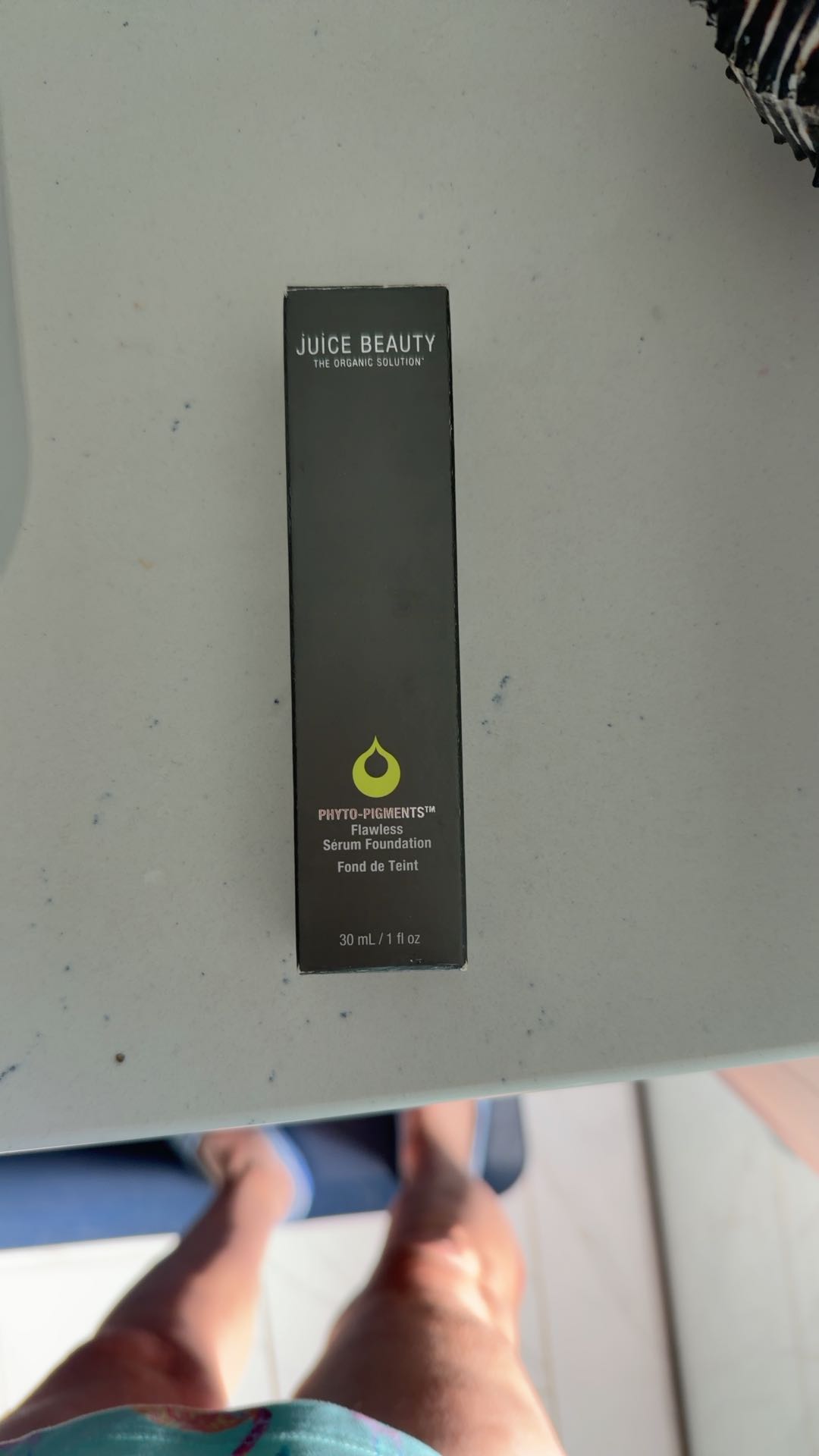
Juice Beauty Phyto-pigments Flawless Serum Foundation Organic 02 Fair 1 Fl Oz
Summary
This foundation features a clean ingredient list with natural components like aloe juice, safflower seed oil, and grape seed oil, which are generally safe and beneficial for skin health. The absence of synthetic fragrances, parabens, and other harsh chemicals contributes to its favorable rating. Although it is processed, the use of natural oils and botanicals supports a higher score within its category.
At a glance
Key ingredients 8
Aloe Barbadensis Juice
Aloe Barbadensis Juice is known for its soothing and hydrating properties, making it beneficial for skin care. It is a natural botanical extract that helps to calm irritated skin. Its inclusion in cosmetics can enhance skin moisture and reduce inflammation.
Risks
There are minimal risks associated with Aloe Barbadensis Juice, though some individuals may experience allergic reactions.
Benefits
It provides hydration and soothing effects, which can improve skin texture and appearance.
Carthamus Tinctorius (Safflower) Seed Oil
Carthamus Tinctorius Seed Oil is a natural oil rich in linoleic acid, which helps to maintain the skin's barrier and reduce inflammation. It is often used in cosmetics for its moisturizing properties. This oil can help to soften and smooth the skin.
Risks
There is a low risk of allergic reactions, but it is generally considered safe for topical use.
Benefits
It is beneficial for moisturizing and improving skin texture, making it suitable for dry or sensitive skin.
Glycerin
Glycerin is a humectant that attracts moisture to the skin, helping to keep it hydrated. It is widely used in cosmetics for its ability to improve skin moisture levels. Glycerin can enhance the skin's natural barrier function.
Risks
Glycerin is generally safe, but in rare cases, it may cause irritation if used in high concentrations.
Benefits
It effectively hydrates the skin, improving its smoothness and suppleness.
Coconut Alkanes
Coconut Alkanes are derived from coconut oil and are used as a natural emollient and solvent in cosmetics. They provide a silky, smooth feel to the skin without leaving a greasy residue. This ingredient is often used as a natural alternative to silicones.
Risks
Coconut Alkanes are generally considered safe, with a low risk of irritation or allergic reactions.
Benefits
They offer a lightweight, non-greasy moisturizing effect, enhancing the texture of cosmetic products.
Champagne Grape Seed Oil
Champagne Grape Seed Oil is rich in antioxidants and essential fatty acids, making it beneficial for skin health. It helps to protect the skin from environmental damage and supports skin elasticity. This oil is often used for its anti-aging properties.
Risks
There is a low risk of allergic reactions, but it is generally safe for most skin types.
Benefits
It provides antioxidant protection and helps to maintain skin firmness and elasticity.
Potassium Cetyl Phosphate
Potassium Cetyl Phosphate is an emulsifying agent that helps to stabilize and thicken cosmetic formulations. It is used to improve the texture and consistency of products. This ingredient is generally considered safe for use in cosmetics.
Risks
There is a low risk of irritation, but it is generally well-tolerated by most skin types.
Benefits
It enhances the stability and texture of cosmetic products, ensuring a smooth application.
Sorbitan
Sorbitan is an emulsifier derived from sorbitol, used to stabilize and blend ingredients in cosmetic formulations. It helps to maintain the consistency and texture of products. Sorbitan is considered safe for use in cosmetics.
Risks
There is a low risk of irritation, but it is generally safe for most skin types.
Benefits
It improves the stability and texture of cosmetic formulations, ensuring even application.
Crushed Roses Phyto-Pigments
Crushed Roses Phyto-Pigments are natural pigments derived from roses, used to provide color in cosmetics. They offer a natural alternative to synthetic dyes and can add a subtle, natural hue to products. These pigments are often used for their aesthetic and botanical benefits.
Risks
There is a low risk of allergic reactions, but they are generally safe for use in cosmetics.
Benefits
They provide natural color and may offer additional botanical benefits, such as antioxidant properties.
Processing
Processed Foods
Get the full breakdown in the Scout app
Scan any product to see lab results, healthy alternatives, and your personalized analysis.
Download on theApp Store