


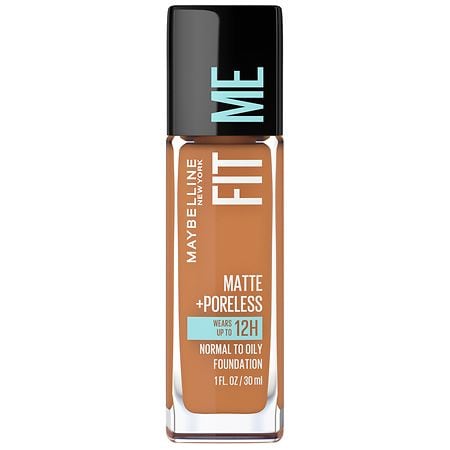
bareMinerals BAREPRO 24HR Skin Perfecting Talc-Free Matte Powder Foundation Light 25 Warm
Analysis updated September 2026 · How Scout scores
At a glance
Summary
This foundation contains a variety of beneficial natural ingredients such as sunflower seed oil, squalane, shea butter, and cocoa seed butter, which are known for their moisturizing and nourishing properties. The product avoids harsh chemicals and includes skin-friendly components like licorice root juice and peony root extract, contributing to its safety and effectiveness. The presence of mineral-based ingredients like titanium dioxide further enhances its profile, making it a clean and well-formulated product.
Key ingredients 29
Helianthus Annuus (Sunflower) Seed OilVery Good
Sunflower seed oil is a natural oil rich in fatty acids and vitamin E, used for its moisturizing properties. It is considered safe and beneficial for skin. It helps nourish and hydrate the skin.
Risks
There are minimal risks associated with sunflower seed oil in cosmetic formulations.
Benefits
It provides excellent moisturizing and nourishing properties for the skin.
SqualaneVery Good
Squalane is a highly effective emollient and natural antioxidant, used for its moisturizing properties. It is considered safe and beneficial for skin. It helps hydrate and protect the skin.
Risks
There are minimal risks associated with squalane in cosmetic formulations.
Benefits
It provides excellent moisturizing and antioxidant properties for the skin.
Butyrospermum Parkii (Shea) ButterVery Good
Shea butter is a natural fat extracted from the nuts of the shea tree, used for its moisturizing properties. It is considered safe and beneficial for skin. It helps nourish and hydrate the skin.
Risks
There are minimal risks associated with shea butter in cosmetic formulations.
Benefits
It provides excellent moisturizing and nourishing properties for the skin.
Theobroma Cacao (Cocoa) Seed ButterVery Good
Cocoa seed butter is a natural fat extracted from cocoa beans, used for its moisturizing properties. It is considered safe and beneficial for skin. It helps nourish and hydrate the skin.
Risks
There are minimal risks associated with cocoa seed butter in cosmetic formulations.
Benefits
It provides excellent moisturizing and nourishing properties for the skin.
TocopherolVery Good
Tocopherol, also known as Vitamin E, is an antioxidant used for its skin conditioning properties. It is considered safe and beneficial for skin. It helps protect the skin from oxidative damage.
Risks
There are minimal risks associated with tocopherol in cosmetic formulations.
Benefits
It provides antioxidant protection and conditions the skin.
Tetrahexyldecyl AscorbateVery Good
Tetrahexyldecyl ascorbate is a stable form of Vitamin C used for its antioxidant properties. It is considered safe and beneficial for skin. It helps brighten the skin and reduce signs of aging.
Risks
There are minimal risks associated with tetrahexyldecyl ascorbate in cosmetic formulations.
Benefits
It provides antioxidant protection and brightens the skin.
MicaGood
Beneficial ingredient — whole-food or functional value in this product class.
Risks
Inhalation of mica dust can be harmful, but this is not a concern in pressed powders.
Benefits
Mica adds a natural shimmer and glow to cosmetic products.
Caprylic/Capric TriglycerideGood
Caprylic/Capric Triglyceride is derived from coconut oil and glycerin, used as an emollient and texture enhancer. It is considered safe and beneficial for skin. It helps moisturize and improve the texture of products.
Risks
There are minimal risks associated with this ingredient in cosmetic formulations.
Benefits
It provides moisturizing properties and enhances the texture of cosmetic products.
Ananas Sativus (Pineapple) Fruit ExtractGood
Pineapple fruit extract is used for its natural exfoliating and brightening properties. It is considered safe and beneficial for skin. It helps improve skin texture and radiance.
Risks
There are minimal risks associated with pineapple fruit extract in cosmetic formulations.
Benefits
It provides natural exfoliating and brightening properties for the skin.
Glycyrrhiza Glabra (Licorice) Root JuiceGood
Licorice root juice is used for its soothing and brightening properties. It is considered safe and beneficial for skin. It helps reduce redness and improve skin tone.
Risks
There are minimal risks associated with licorice root juice in cosmetic formulations.
Benefits
It provides soothing and brightening properties for the skin.
Paeonia Albiflora Root ExtractGood
Peony root extract is used for its antioxidant and soothing properties. It is considered safe and beneficial for skin. It helps protect and calm the skin.
Risks
There are minimal risks associated with peony root extract in cosmetic formulations.
Benefits
It provides antioxidant and soothing properties for the skin.
Tocopheryl AcetateGood
Tocopheryl acetate is a form of Vitamin E used for its antioxidant and skin conditioning properties. It is considered safe and beneficial for skin. It helps protect the skin from oxidative damage.
Risks
There are minimal risks associated with tocopheryl acetate in cosmetic formulations.
Benefits
It provides antioxidant protection and conditions the skin.
Synthetic FluorphlogopiteNeutral
Synthetic fluorphlogopite is a synthetic version of mica, used to add shimmer and improve texture. It is considered safe for use in cosmetics. It does not pose significant health risks.
Risks
There are minimal risks associated with synthetic fluorphlogopite as it is generally considered safe.
Benefits
It provides a smooth, shimmery finish to cosmetic products.
Zinc StearateNeutral
Zinc stearate is used as a lubricant and thickening agent in cosmetics. It is generally recognized as safe for use in cosmetics. It helps improve the texture and application of products.
Risks
There are minimal risks associated with zinc stearate in cosmetic formulations.
Benefits
It enhances the smoothness and spreadability of cosmetic products.
SilicaNeutral
Silica is used in cosmetics to improve texture and absorb oil. It is considered safe for use in cosmetics. It helps control shine and provides a matte finish.
Risks
Inhalation of silica dust can be harmful, but this is not a concern in pressed powders.
Benefits
Silica helps absorb excess oil and provides a smooth finish.
Calcium CarbonateNeutral
Calcium carbonate is used as a bulking agent and to improve texture in cosmetics. It is generally considered safe for use in cosmetics. It helps improve the feel and application of products.
Risks
There are minimal risks associated with calcium carbonate in cosmetic formulations.
Benefits
It enhances the texture and application of cosmetic products.
Diphenyl Dimethicone/Vinyl Diphenyl Dimethicone/Silsesquioxane CrosspolymerNeutral
This ingredient is used to improve the texture and spreadability of cosmetics. It is considered safe for use in cosmetics. It provides a smooth, silky feel to products.
Risks
There are minimal risks associated with this ingredient in cosmetic formulations.
Benefits
It enhances the texture and application of cosmetic products.
Magnesium MyristateNeutral
Magnesium myristate is used as a binding agent in cosmetics. It is considered safe for use in cosmetics. It helps improve the texture and application of products.
Risks
There are minimal risks associated with magnesium myristate in cosmetic formulations.
Benefits
It enhances the texture and application of cosmetic products.
Sorbitan SesquiisostearateNeutral
Sorbitan sesquiisostearate is an emulsifier used to stabilize formulations. It is considered safe for use in cosmetics. It helps blend ingredients and improve product stability.
Risks
There are minimal risks associated with sorbitan sesquiisostearate in cosmetic formulations.
Benefits
It helps stabilize formulations and improve product consistency.
EthylhexylglycerinNeutral
Ethylhexylglycerin is used as a skin conditioning agent and preservative enhancer. It is considered safe for use in cosmetics. It helps improve the efficacy of preservatives.
Risks
There are minimal risks associated with ethylhexylglycerin in cosmetic formulations.
Benefits
It enhances the efficacy of preservatives and conditions the skin.
MethiconeNeutral
Methicone is a silicone-based polymer used to improve texture and spreadability. It is considered safe for use in cosmetics. It provides a smooth, silky feel to products.
Risks
There are minimal risks associated with methicone in cosmetic formulations.
Benefits
It enhances the texture and application of cosmetic products.
Aluminum HydroxideNeutral
Aluminum hydroxide is used as a colorant and opacifying agent in cosmetics. It is considered safe for use in cosmetics. It helps improve the opacity and color of products.
Risks
There are minimal risks associated with aluminum hydroxide in cosmetic formulations.
Benefits
It enhances the opacity and color of cosmetic products.
TriethoxycaprylylsilaneNeutral
Triethoxycaprylylsilane is used as a surface modifier to improve pigment dispersion. It is considered safe for use in cosmetics. It helps improve the stability and application of products.
Risks
There are minimal risks associated with triethoxycaprylylsilane in cosmetic formulations.
Benefits
It enhances pigment dispersion and product stability.
Hydrogen DimethiconeNeutral
Hydrogen dimethicone is a silicone-based polymer used to improve texture and spreadability. It is considered safe for use in cosmetics. It provides a smooth, silky feel to products.
Risks
There are minimal risks associated with hydrogen dimethicone in cosmetic formulations.
Benefits
It enhances the texture and application of cosmetic products.
Citric AcidNeutral
Citric acid is used to adjust the pH of cosmetic formulations. It is considered safe for use in cosmetics. It helps maintain the stability and efficacy of products.
Risks
There are minimal risks associated with citric acid in cosmetic formulations.
Benefits
It helps maintain the stability and efficacy of cosmetic products.
Titanium Dioxide (Ci 77891)Neutral
Titanium dioxide is used as a pigment and UV filter in cosmetics. It is considered safe for use in cosmetics. It helps provide coverage and sun protection.
Risks
Inhalation of titanium dioxide dust can be harmful, but this is not a concern in pressed powders.
Benefits
It provides coverage and sun protection in cosmetic products.
Iron Oxides (Ci 77491, Ci 77492, Ci 77499)Neutral
Iron oxides are used as pigments in cosmetics. They are considered safe for use in cosmetics. They help provide color and coverage in products.
Risks
There are minimal risks associated with iron oxides in cosmetic formulations.
Benefits
They provide color and coverage in cosmetic products.
DimethiconeBad
Occlusive silicone film-former — flagged under clean-beauty doctrine.
Risks
There are minimal risks associated with dimethicone in cosmetic formulations.
Benefits
It provides a smooth, silky feel and helps lock in moisture.
Sorbic AcidBad
Processed additive flagged under Scout's ingredient doctrine.
Risks
There are minimal risks associated with sorbic acid in cosmetic formulations.
Benefits
It provides effective preservation against mold and yeast.
Get the full breakdown in the Scout appTake Scout shopping
Scan any product to see lab results, healthy alternatives, and your personalized analysis.
Download on theApp Store GET IT ONGoogle PlayAmazon pricing & content
Amazon price as of . Product prices and availability are accurate as of the date/time indicated and are subject to change. Any price and availability information displayed on Amazon.com at the time of purchase will apply to the purchase of this product.
CERTAIN CONTENT THAT APPEARS ON THIS SITE COMES FROM AMAZON. THIS CONTENT IS PROVIDED “AS IS” AND IS SUBJECT TO CHANGE OR REMOVAL AT ANY TIME.