
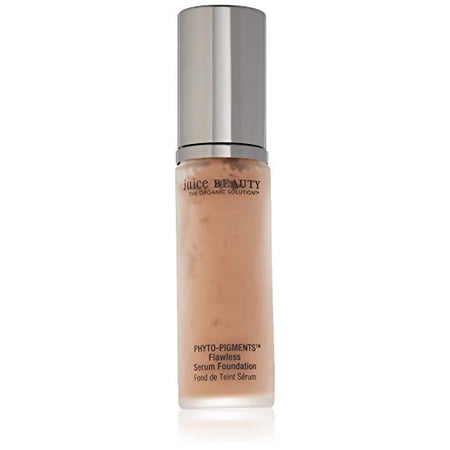


Juice Beauty Phyto-Pigments Flawless Serum Foundation, Natural Tan, 1 Count
Analysis updated August 2026 · How Scout scores
At a glance
Summary
This foundation features a clean ingredient list with beneficial components such as organic aloe vera juice, safflower oil, and glycerin, which are known for their hydrating and skin-soothing properties. The product avoids harsh chemicals and synthetic additives, contributing to its high score. However, due to its processed nature, the score is capped, reflecting the moderate level of processing involved.
Key ingredients 5
Organic Aloe Barbadensis JuiceVery Good
Aloe vera is known for its soothing and hydrating properties, making it beneficial for skin health. It is rich in antioxidants and vitamins that can help protect the skin. Its natural composition makes it a favorable ingredient in cosmetics.
Risks
There are minimal risks associated with aloe vera, though some individuals may experience allergic reactions.
Benefits
Aloe vera can help soothe irritated skin and provide hydration, making it ideal for sensitive skin types.
Carthamnus Tinctorius (Organic Safflower Oil)Very Good
Safflower oil is a natural oil that is rich in linoleic acid, which can help maintain the integrity of the outer layer of the skin. It is known for its moisturizing properties and ability to improve skin texture. Its natural origin and beneficial fatty acids make it a valuable ingredient.
Risks
Safflower oil is generally safe, but it may cause allergic reactions in some individuals.
Benefits
It helps to moisturize the skin and can improve skin texture and appearance.
Organic GlycerinGood
Glycerin is a humectant that attracts moisture to the skin, helping to keep it hydrated. It is a common ingredient in skincare due to its ability to improve skin barrier function. Its natural and effective moisturizing properties make it a beneficial ingredient.
Risks
Glycerin is generally safe, but excessive use can lead to a sticky feeling on the skin.
Benefits
It helps to maintain skin hydration and improve skin barrier function.
Coconut AlkanesNeutral
Coconut alkanes are derived from coconut oil and are used as a natural alternative to silicones in cosmetics. They provide a smooth application and a lightweight feel. While they are generally considered safe, they do not offer significant skin benefits.
Risks
There are minimal risks associated with coconut alkanes, though they may not provide any active skin benefits.
Benefits
They offer a smooth application and lightweight feel in cosmetic formulations.
Potassium Cetyl PhosphateNeutral
Potassium cetyl phosphate is an emulsifying agent that helps to stabilize formulations. It is commonly used in cosmetics to ensure product consistency. While it is effective in its role, it does not provide direct skin benefits.
Risks
There are minimal risks associated with potassium cetyl phosphate, though it may not provide any active skin benefits.
Benefits
It helps to stabilize cosmetic formulations, ensuring consistent texture and application.
Processing
Processed Foods
Get the full breakdown in the Scout appTake Scout shopping
Scan any product to see lab results, healthy alternatives, and your personalized analysis.
Download on theApp Store GET IT ONGoogle PlayAmazon pricing & content
Amazon price as of . Product prices and availability are accurate as of the date/time indicated and are subject to change. Any price and availability information displayed on Amazon.com at the time of purchase will apply to the purchase of this product.
CERTAIN CONTENT THAT APPEARS ON THIS SITE COMES FROM AMAZON. THIS CONTENT IS PROVIDED “AS IS” AND IS SUBJECT TO CHANGE OR REMOVAL AT ANY TIME.