

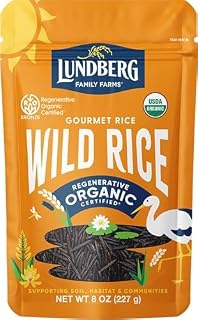


At a glance
Summary
This product is a processed food with a moderate level of processing, which limits its potential score. While it contains beneficial ingredients like mixed tocopherols, sodium ascorbate, and thiamin mononitrate, the presence of refined sugar is a concern due to its association with increased calorie intake and potential metabolic issues. The overall ingredient list is relatively clean, but the processing level and added sugar prevent it from achieving a higher rating.
Key ingredients 7
RiceGood
Rice is a natural grain that provides essential carbohydrates and energy, making it a beneficial ingredient in this product.
See more about Rice →Mixed TocopherolsGood
Beneficial ingredient — whole-food or functional value in this product class.
See more about Mixed Tocopherols →SaltNeutral
Standard formulation ingredient — neither beneficial nor harmful at typical use.
See more about Salt →Sodium AscorbateNeutral
Sodium ascorbate is a form of vitamin C used as an antioxidant, generally neutral in health impact.
See more about Sodium Ascorbate →Thiamin MononitrateNeutral
Thiamin mononitrate is a vitamin B1 supplement added to support nutritional value, with a neutral effect.
See more about Thiamin Mononitrate →SugarBad
Sugar adds sweetness but can contribute to excess calorie intake and blood sugar spikes if consumed in large amounts.
See more about Sugar →Malted Barley SyrupBad
Malted barley syrup is a sweetener that can contribute to high sugar content and caloric intake.
Processing
Processed Foods
Get the full breakdown in the Scout appTake Scout shopping
Scan any product to see lab results, healthy alternatives, and your personalized analysis.
Download on theApp Store GET IT ONGoogle Play