

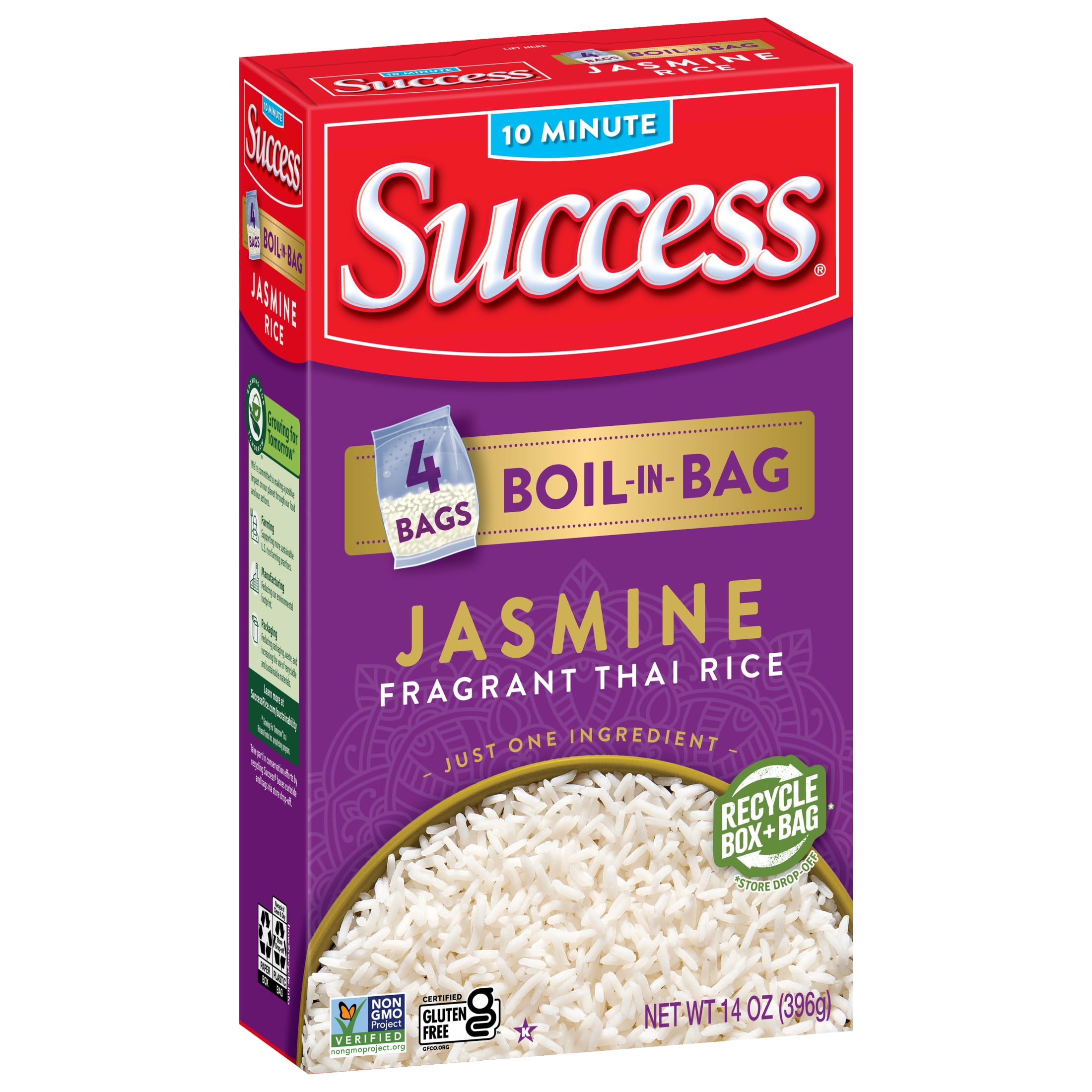


Jasmine Rice
Summary
This jasmine rice product includes beneficial ingredients such as carrots, green onions, and peas, which contribute to its nutritional value. However, the presence of canola oil, a highly processed seed oil, detracts from its overall healthiness due to its potential inflammatory effects. The processing level of the product also limits its score, as it is not a minimally processed food.
At a glance
Key ingredients 8
Cooked Jasmine RiceGood
Cooked jasmine rice is a minimally processed grain that serves as a staple carbohydrate source. It provides energy through its carbohydrate content and is generally well-tolerated. The cooking process enhances digestibility and palatability.
Benefits
Provides a source of carbohydrates for energy and is low in fat and sodium.
WaterNeutral
Water is used in the cooking process and is essential for hydration. It does not contribute calories or nutrients but is necessary for the preparation of the rice. The quality of water can affect the final taste and texture of the rice.
Benefits
Essential for hydration and cooking processes.
Jasmine RiceGood
Jasmine rice is a fragrant, long-grain rice known for its aromatic qualities. It is a good source of carbohydrates and provides a base for many dishes. The rice is typically low in fat and sodium, making it a healthy choice.
Benefits
Provides energy and is low in fat and sodium, making it a healthy carbohydrate source.
CarrotsGood
Carrots are a nutritious vegetable rich in beta-carotene, fiber, and antioxidants. They contribute to eye health and support immune function. The natural sweetness of carrots can enhance the flavor profile of dishes.
Benefits
Rich in vitamins and antioxidants, supporting eye health and immune function.
Green OnionsGood
Green onions add flavor and nutrients, including vitamins A, C, and K. They have antioxidant properties and can enhance the taste of dishes. Their mild flavor makes them a versatile ingredient in cooking.
Benefits
Provides vitamins and antioxidants, enhancing flavor and nutritional value.
PeasGood
Peas are a good source of plant-based protein, fiber, and essential vitamins. They support digestive health and provide a nutrient boost to meals. Peas are low in fat and can contribute to a balanced diet.
Benefits
Rich in protein and fiber, supporting digestive health and providing essential nutrients.
Soy SauceNeutral
Soy sauce is a fermented condiment that adds umami flavor to dishes. It contains sodium, which can contribute to high blood pressure if consumed in excess. The fermentation process can enhance flavor complexity.
Risks
High sodium content may contribute to elevated blood pressure if consumed in large amounts.
Benefits
Adds umami flavor and complexity to dishes.
Canola OilVery Bad
Canola oil is a seed oil high in omega-6 fatty acids, which can promote inflammation when consumed in excess. It is often highly processed and refined, which may reduce its nutritional quality. Alternatives like olive oil offer healthier fat profiles.
Risks
High omega-6 content may promote inflammation when consumed in excess.
Processing
Processed Foods
Get the full breakdown in the Scout app
Scan any product to see lab results, healthy alternatives, and your personalized analysis.
Download on theApp Store