
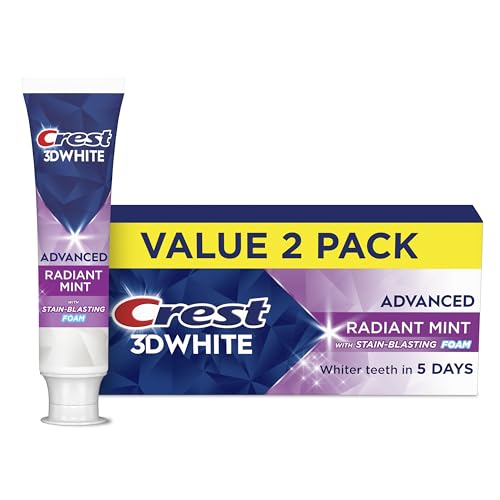
Crest - 3D White Radiant Mint Flavor Whitening Toothpaste 7.60 oz
Summary
This toothpaste contains beneficial sodium fluoride, which supports dental health by preventing cavities. However, it also includes sodium lauryl sulfate and sodium hydroxide, which can cause irritation and require careful handling. The product is processed, which limits its score due to the presence of these potentially harmful ingredients.
At a glance
Key ingredients 10
Sodium FluorideGood
Sodium fluoride is beneficial for dental health as it helps to prevent cavities by strengthening tooth enamel. It is a common additive in dental care products due to its proven efficacy in reducing tooth decay. The fluoride ions help in the remineralization process, making teeth more resistant to acid attacks from plaque bacteria and sugars.
Risks
Excessive ingestion of fluoride can lead to dental fluorosis, especially in children. It is important to use the recommended amount to avoid potential toxicity.
Benefits
Sodium fluoride is effective in preventing dental caries and is widely recommended by dental professionals for maintaining oral health.
WaterNeutral
Water is used as a solvent and carrier for other ingredients in toothpaste. It is typically purified to ensure safety and quality in oral care products. The presence of water helps in the distribution of active ingredients across the teeth during brushing.
Benefits
Water aids in the consistency and application of toothpaste, ensuring even distribution of active ingredients.
SorbitolNeutral
Sorbitol is a sugar alcohol used as a sweetener and humectant in toothpaste. It helps to retain moisture and prevent the toothpaste from drying out. Sorbitol is generally considered safe for oral care products, although it can have a laxative effect if ingested in large quantities.
Risks
Excessive ingestion may lead to gastrointestinal discomfort or a laxative effect.
Benefits
Sorbitol helps maintain the moisture and texture of toothpaste, enhancing user experience.
Hydrated SilicaNeutral
Hydrated silica is used as an abrasive agent to help remove plaque and surface stains from teeth. It is a common ingredient in whitening toothpastes due to its gentle abrasive properties. The quality and particle size of hydrated silica are controlled to ensure effective cleaning without damaging enamel.
Benefits
Hydrated silica effectively aids in cleaning and polishing teeth, contributing to a whiter appearance.
Disodium PyrophosphateNeutral
Disodium pyrophosphate is used to prevent tartar buildup by inhibiting the formation of calcium phosphate crystals. It is a common additive in tartar control toothpastes. The ingredient is generally recognized as safe for use in oral care products.
Benefits
Disodium pyrophosphate helps in reducing tartar formation, contributing to better oral hygiene.
Sodium Lauryl SulfateBad
Sodium lauryl sulfate (SLS) is a surfactant used to create foam and improve the spreadability of toothpaste. It is known to cause irritation in some individuals, particularly those with sensitive oral tissues. SLS is a common ingredient in many personal care products, but its potential to cause irritation is a concern for some users.
Risks
SLS can cause mouth irritation and exacerbate conditions like canker sores in sensitive individuals.
Benefits
SLS helps in the foaming action of toothpaste, which can enhance the cleaning experience.
FlavorNeutral
Flavor is added to toothpaste to improve taste and encourage regular use. The specific composition of flavors is proprietary and varies by product. While flavors enhance user experience, they do not contribute to the therapeutic effects of the toothpaste.
Benefits
Flavor improves the palatability of toothpaste, encouraging consistent oral hygiene practices.
Sodium HydroxideBad
Sodium hydroxide is used to adjust the pH of toothpaste, ensuring stability and effectiveness of the formulation. It is a strong base and can be corrosive, requiring careful handling during manufacturing. In toothpaste, it is present in very small amounts to ensure safety.
Risks
In high concentrations, sodium hydroxide can be corrosive and cause irritation, but it is used in safe amounts in toothpaste.
Benefits
Sodium hydroxide helps maintain the stability and effectiveness of the toothpaste formulation.
Cellulose GumNeutral
Cellulose gum is used as a thickening agent to provide the desired consistency in toothpaste. It is derived from cellulose, a natural polymer, and is considered safe for use in oral care products. The ingredient helps in maintaining the structural integrity of the toothpaste.
Benefits
Cellulose gum contributes to the texture and stability of toothpaste, enhancing user experience.
Sodium SaccharinNeutral
Sodium saccharin is an artificial sweetener used to enhance the taste of toothpaste without adding sugar. It is non-cariogenic, meaning it does not contribute to tooth decay. While generally recognized as safe, some individuals may prefer to avoid artificial sweeteners.
Risks
Some individuals may have concerns about artificial sweeteners, but sodium saccharin is considered safe in the amounts used in toothpaste.
Benefits
Sodium saccharin provides sweetness without contributing to tooth decay, supporting oral health.
Processing
Processed Foods
Get the full breakdown in the Scout app
Scan any product to see lab results, healthy alternatives, and your personalized analysis.
Download on theApp Store