
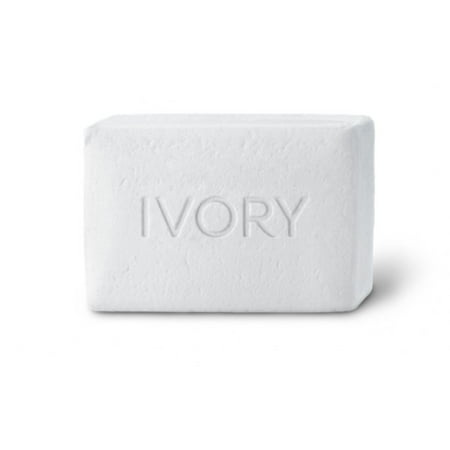

Ivory Bar Soap, Original, 4 Oz
Analysis updated August 2026 · How Scout scores
At a glance
Summary
This soap contains beneficial ingredients like sodium tallowate and glycerin, which are known for their cleansing and moisturizing properties. However, the presence of 'fragrance' is a concern due to potential skin irritation and allergic reactions, as it often includes undisclosed chemicals. The product is moderately processed, with a simple ingredient list that balances natural and synthetic components.
Key ingredients 10
Sodium TallowateGood
Sodium Tallowate is a traditional soap ingredient derived from animal fat, known for its effective cleansing properties. It is generally well-tolerated by the skin and provides a rich lather. It is considered a natural ingredient, which is beneficial for those seeking less processed options.
Risks
There are minimal risks associated with Sodium Tallowate, though some individuals may prefer plant-based alternatives for ethical reasons.
Benefits
Sodium Tallowate is moisturizing and helps maintain the skin's natural barrier.
GlycerinGood
Glycerin is a humectant that attracts moisture to the skin, helping to keep it hydrated. It is a well-known ingredient in skincare for its moisturizing properties. Glycerin is considered safe and beneficial for most skin types.
Risks
There are minimal risks associated with Glycerin, though it may cause irritation in rare cases for very sensitive skin.
Benefits
Glycerin helps to maintain skin hydration and improve skin barrier function.
Sodium PalmateNeutral
Sodium Palmate is a common soap ingredient derived from palm oil, used for its cleansing and lathering properties. It is effective in removing dirt and oils from the skin. However, its environmental impact due to palm oil sourcing is a concern for some consumers.
Risks
The primary risk is environmental, as palm oil production can lead to deforestation and habitat destruction.
Benefits
Sodium Palmate provides a good lather and is effective in cleansing the skin.
WaterNeutral
Water is a universal solvent used in many cosmetic products to dissolve other ingredients and provide a base for formulations. It is essential for the consistency and application of the product. Water itself poses no risks or benefits beyond its role as a solvent.
Risks
There are no direct risks associated with water in cosmetic formulations.
Benefits
Water helps to dissolve and distribute other ingredients evenly.
Sodium Palm KernelateNeutral
Sodium Palm Kernelate is a soap ingredient derived from palm kernel oil, known for its cleansing and foaming properties. It is effective in removing oils and dirt from the skin. Like Sodium Palmate, its environmental impact is a concern due to palm oil sourcing.
Risks
Environmental concerns due to palm oil production are the primary risks associated with Sodium Palm Kernelate.
Benefits
It provides effective cleansing and a rich lather.
Sodium CocoateNeutral
Sodium Cocoate is a soap ingredient derived from coconut oil, used for its cleansing and foaming properties. It is effective in removing dirt and oils from the skin. It is generally considered a mild and natural ingredient.
Risks
There are minimal risks associated with Sodium Cocoate, though some individuals may experience dryness with frequent use.
Benefits
Sodium Cocoate is known for its gentle cleansing properties and is derived from a natural source.
Sodium ChlorideNeutral
Sodium Chloride, or table salt, is used in cosmetics to thicken formulations and enhance product stability. It is a common and safe ingredient in many personal care products. It poses no significant risks or benefits in the context of soap.
Risks
There are no significant risks associated with Sodium Chloride in cosmetic formulations.
Benefits
Sodium Chloride helps to stabilize and thicken the product.
Coconut AcidNeutral
Coconut Acid is derived from coconut oil and is used in soap formulations for its cleansing properties. It helps to create a rich lather and effectively removes dirt and oils. It is generally considered a mild and natural ingredient.
Risks
There are minimal risks associated with Coconut Acid, though some individuals may experience dryness with frequent use.
Benefits
Coconut Acid provides effective cleansing and is derived from a natural source.
Tetrasodium EDTANeutral
Tetrasodium EDTA is a chelating agent used in cosmetics to improve stability and prevent metal ion contamination. It helps to maintain the integrity of the product over time. While generally considered safe, it is a synthetic ingredient that some consumers prefer to avoid.
Risks
There are minimal risks associated with Tetrasodium EDTA, though it is a synthetic ingredient that may not align with natural product preferences.
Benefits
Tetrasodium EDTA helps to stabilize the product and prevent degradation.
FragranceVery Bad
Fragrance is used to impart a pleasant scent to cosmetic products, but it can be a source of irritation and allergic reactions for some individuals. It is often a mixture of various chemicals, some of which may be harmful. Fragrance is generally considered a negative ingredient in skincare due to potential sensitivities.
Risks
Fragrance can cause skin irritation, allergic reactions, and may contain undisclosed harmful chemicals.
Benefits
The primary benefit of fragrance is the pleasant scent it provides to the product.
Get the full breakdown in the Scout appTake Scout shopping
Scan any product to see lab results, healthy alternatives, and your personalized analysis.
Download on theApp Store GET IT ONGoogle PlayAmazon pricing & content
Amazon price as of . Product prices and availability are accurate as of the date/time indicated and are subject to change. Any price and availability information displayed on Amazon.com at the time of purchase will apply to the purchase of this product.
CERTAIN CONTENT THAT APPEARS ON THIS SITE COMES FROM AMAZON. THIS CONTENT IS PROVIDED “AS IS” AND IS SUBJECT TO CHANGE OR REMOVAL AT ANY TIME.