



Unknown Product
Summary
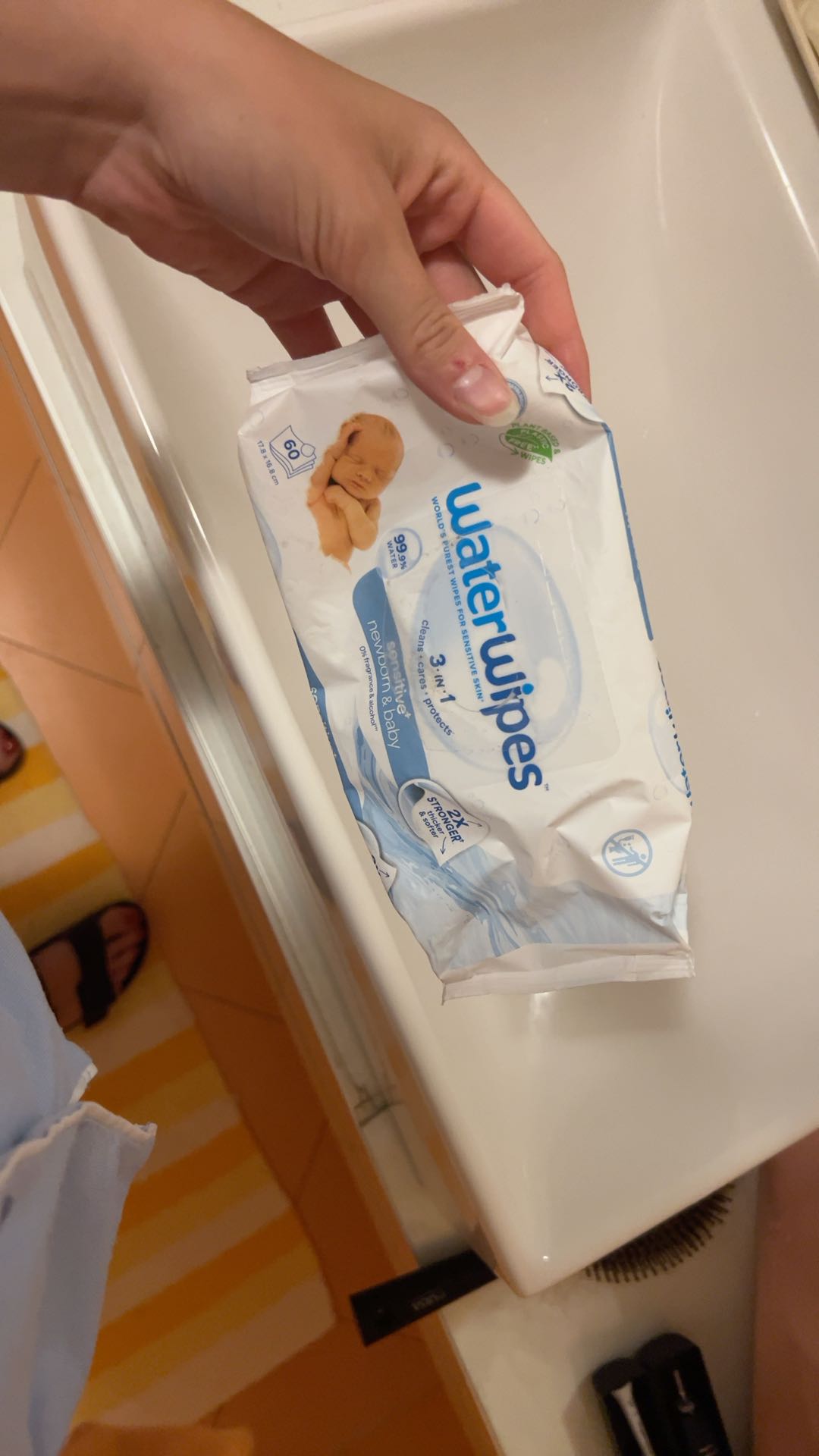
This skincare product contains beneficial ingredients like glycerin, glycolic acid, and witch hazel extract, which are known for their moisturizing and soothing properties. However, it also includes synthetic preservatives such as sodium benzoate and phenoxyethanol, which can cause irritation and have potential health concerns. The presence of multiple synthetic additives and the high level of processing contribute to a moderate score, despite the inclusion of some natural extracts.
At a glance
Key ingredients 13
AquaNeutral
Aqua, or water, is the primary solvent in many products and is essential for hydration. It is typically purified to remove contaminants, ensuring safety and effectiveness in formulations. In this context, it serves as a base for other ingredients.
See more about Aqua →GlycerinGood
Glycerin is a humectant that helps retain moisture in the skin, making it beneficial for hydration. It is often derived from plant oils and is considered safe and effective in skincare. Its ability to attract water makes it a valuable ingredient in moisturizing products.
Benefits
Helps maintain skin hydration and improves skin barrier function.
Glycolic AcidGood
Glycolic acid is an alpha hydroxy acid used for exfoliation, improving skin texture and tone. It is derived from sugar cane and is known for its small molecular size, which allows for deeper penetration. Regular use can enhance skin radiance and reduce signs of aging.
Risks
May cause irritation or sensitivity, especially in high concentrations or with prolonged use.
Benefits
Promotes exfoliation and can improve skin texture and clarity.
Sodium BenzoateBad
Sodium benzoate is a preservative used to prevent microbial growth in products. It is synthetically produced and can form benzene, a carcinogen, under certain conditions. Its use is regulated due to potential health concerns.
Risks
Potential to form benzene, a known carcinogen, when combined with ascorbic acid (vitamin C).
Benefits
Effectively inhibits microbial growth, extending product shelf life.
PhenoxyethanolBad
Phenoxyethanol is a preservative used to prevent bacterial growth in cosmetics. It is synthetically produced and can cause skin irritation in some individuals. Its use is limited in concentration due to potential toxicity concerns.
Risks
May cause skin irritation and allergic reactions in sensitive individuals.
Benefits
Provides antimicrobial properties, helping to preserve product integrity.
Peg-40 Hydrogenated Castor OilNeutral
PEG-40 hydrogenated castor oil is an emulsifier that helps blend oil and water-based ingredients. It is derived from castor oil and ethylene oxide, and its safety depends on the purity of the ethylene oxide used. It is commonly used in cosmetics for its stabilizing properties.
Risks
Potential contamination with ethylene oxide, a known carcinogen, if not properly purified.
Benefits
Enhances product texture and stability by emulsifying ingredients.
Peg/Ppg-25/30 CopolymerNeutral
PEG/PPG-25/30 copolymer is a surfactant and emulsifier used to stabilize formulations. It is a synthetic polymer that helps improve the texture and spreadability of products. Its safety is generally recognized, though concerns about impurities exist.
Risks
Potential contamination with impurities during manufacturing.
Benefits
Improves product consistency and enhances application.
Propylene GlycolNeutral
Propylene glycol is a humectant and solvent used to improve moisture retention and texture in products. It is synthetically produced and widely used in cosmetics and food. While generally considered safe, it can cause irritation in sensitive individuals.
Risks
May cause skin irritation or allergic reactions in sensitive individuals.
Benefits
Enhances moisture retention and improves product texture.
Hamamelis Virginiana (Witch Hazel) ExtractGood
Witch hazel extract is a natural astringent known for its anti-inflammatory and antioxidant properties. It is derived from the leaves and bark of the witch hazel shrub and is used to soothe skin and reduce irritation. Its natural origin and beneficial properties make it a popular ingredient in skincare.
Benefits
Provides anti-inflammatory and soothing effects on the skin.
Rosa Rugosa Flower (Rose Water) ExtractGood
Rose water extract is known for its soothing and hydrating properties, often used in skincare for its pleasant aroma and calming effects. It is derived from rose petals and contains natural antioxidants. Its gentle nature makes it suitable for sensitive skin.
Benefits
Offers soothing and hydrating benefits, along with a pleasant fragrance.
Sodium HyaluronateGood
Sodium hyaluronate is a salt form of hyaluronic acid, known for its ability to retain moisture and improve skin hydration. It is biotechnologically produced and can hold up to 1000 times its weight in water. Its hydrating properties make it a valuable ingredient in skincare.
Benefits
Enhances skin hydration and elasticity, promoting a plump appearance.
Disodium EdtaBad
Disodium EDTA is a chelating agent used to bind metal ions and improve product stability. It is synthetically produced and can enhance the penetration of other chemicals into the skin. Concerns exist about its environmental impact and potential to cause irritation.
Risks
May cause skin irritation and has potential environmental concerns.
Benefits
Improves product stability by binding metal ions.
Pelargernum Graveolens OilNeutral
Pelargonium graveolens oil, commonly known as geranium oil, is used for its fragrance and potential skin benefits. It is extracted from the leaves of the geranium plant and is known for its balancing properties. While it offers a pleasant scent, its benefits in skincare are less well-documented.
Risks
May cause allergic reactions or irritation in sensitive individuals.
Benefits
Provides a natural fragrance and may offer balancing effects on the skin.
Processing
Ultra-Processed Foods
Get the full breakdown in the Scout app
Scan any product to see lab results, healthy alternatives, and your personalized analysis.
Download on theApp Store