


At a glance
Summary
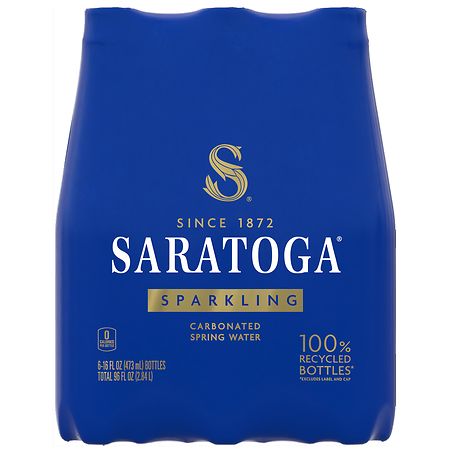
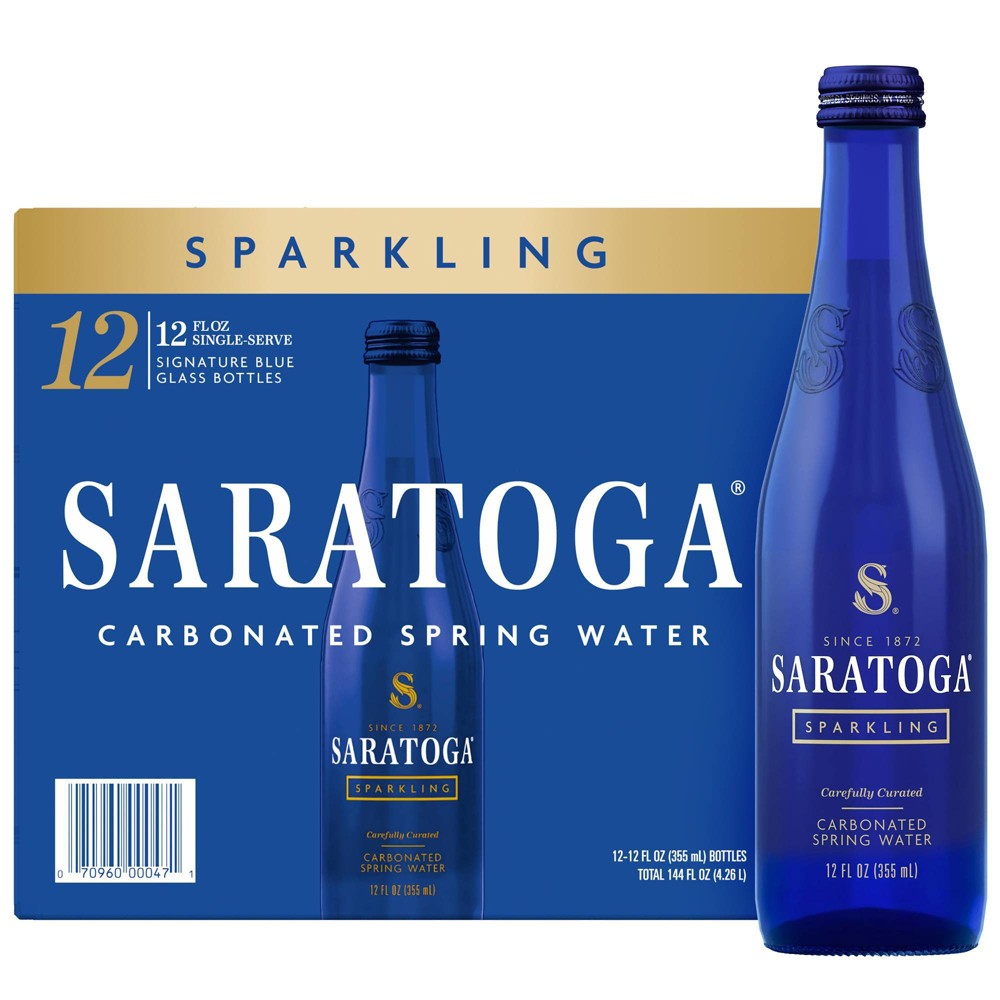
This purified water product benefits from reverse osmosis, which effectively removes contaminants, ensuring a high level of purity. The addition of electrolytes like potassium carbonate, potassium bicarbonate, and magnesium sulfate enhances its mineral content, supporting hydration and muscle function. However, the use of purified water rather than a natural source like spring or aquifer water results in a slight deduction in score.
Key ingredients 4
Reverse Osmosis Purified WaterVery Good
Reverse osmosis purified water is considered very good due to its high level of purity and removal of contaminants. The reverse osmosis process effectively eliminates impurities, heavy metals, and other harmful substances, ensuring clean and safe drinking water. This method is widely recognized for producing water with minimal contaminants, making it a preferred choice for health-conscious consumers.
Benefits
Provides clean and safe hydration by removing impurities and contaminants.
Potassium CarbonateGood
Potassium carbonate is a good ingredient as it acts as an electrolyte, helping to maintain fluid balance in the body. It is added to enhance the mineral content of the water, which can be beneficial for hydration and muscle function. The presence of potassium can support cardiovascular health and proper muscle function.
Risks
Excessive intake may lead to hyperkalemia, but this is unlikely in typical consumption levels.
Benefits
Supports hydration and muscle function by providing essential electrolytes.
Potassium BicarbonateGood
Potassium bicarbonate is considered good as it serves as an electrolyte and helps regulate acid-base balance in the body. It is used to enhance the mineral profile of the water, contributing to better hydration and electrolyte balance. This ingredient can aid in maintaining normal blood pressure and muscle function.
Risks
High doses could lead to gastrointestinal discomfort, but typical consumption levels are safe.
Benefits
Enhances hydration and supports cardiovascular health by providing potassium.
Magnesium SulfateNeutral
Standard formulation ingredient — neither beneficial nor harmful at typical use.
Risks
Excessive intake may cause diarrhea, but this is rare at typical consumption levels.
Benefits
Supports muscle and nerve function and contributes to overall mineral balance.
Processing
Unprocessed or Minimally Processed Foods
Get the full breakdown in the Scout appTake Scout shopping
Scan any product to see lab results, healthy alternatives, and your personalized analysis.
Download on theApp Store GET IT ONGoogle Play