

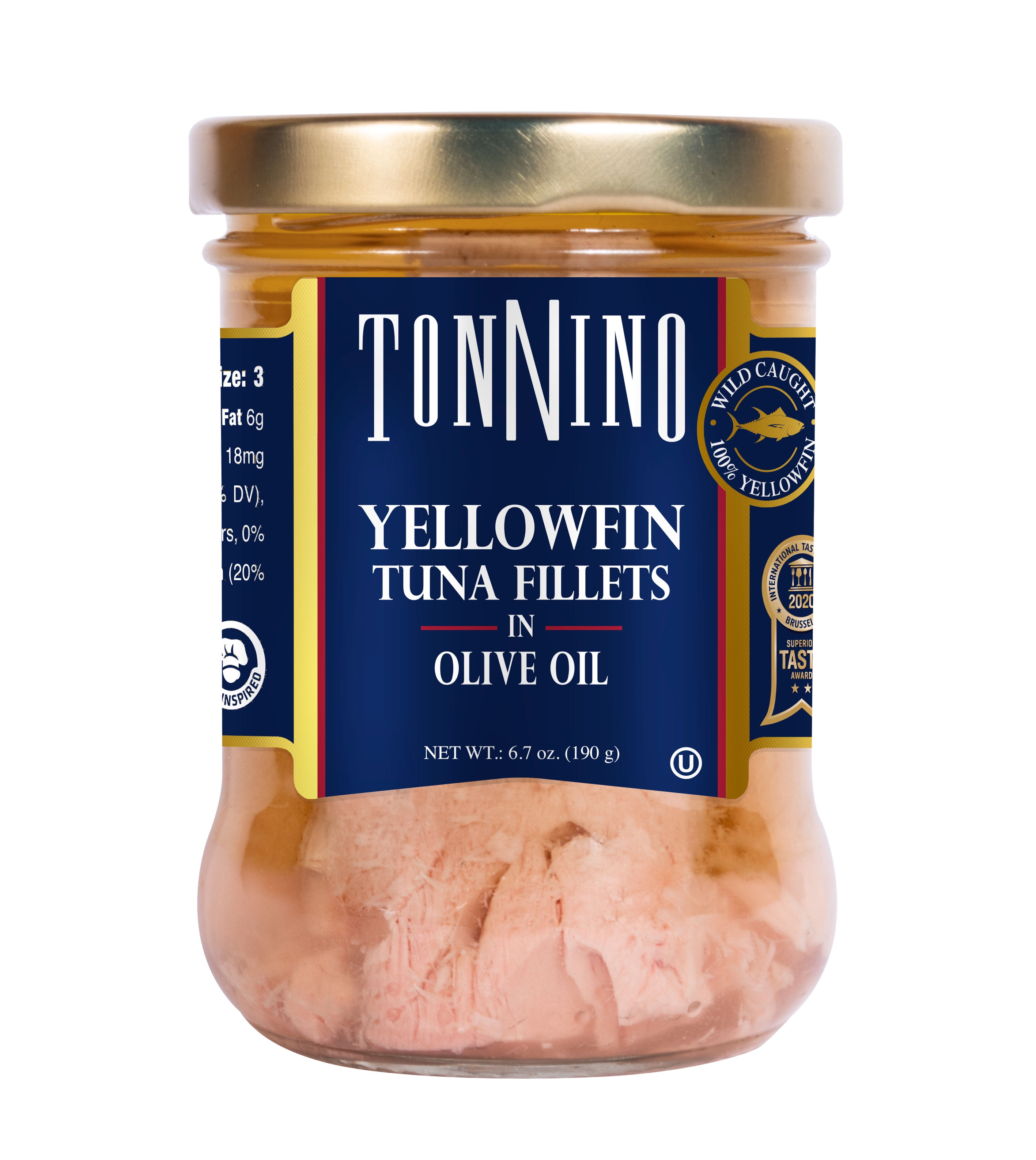
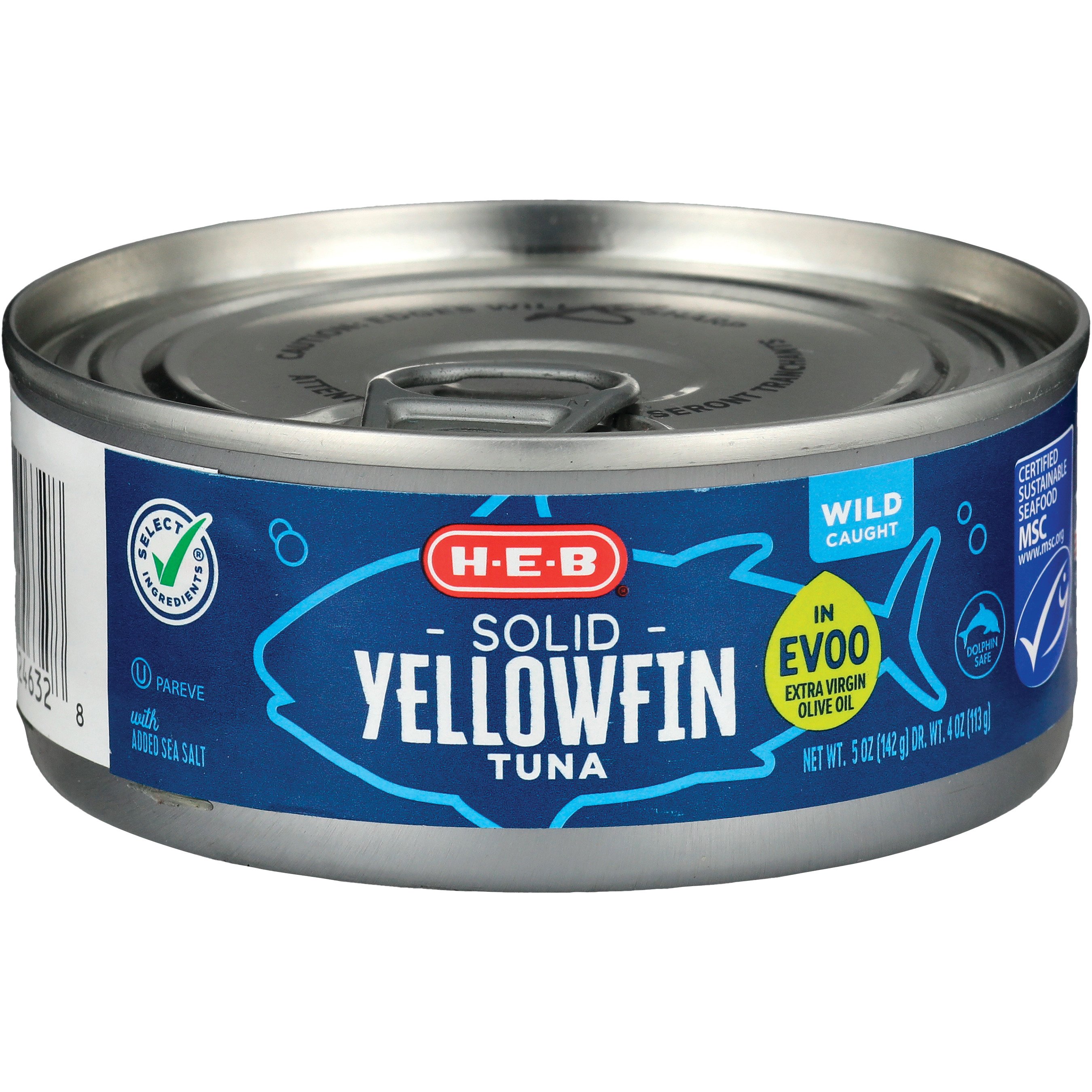

At a glance
Summary
This product features high-quality ingredients such as yellowfin tuna, extra virgin olive oil, and sea salt, which are minimally processed and provide essential nutrients. The use of extra virgin olive oil is particularly beneficial due to its healthy monounsaturated fats and antioxidants. Despite its processed nature, the clean ingredient list and absence of harmful additives contribute to a favorable rating.
Key ingredients 3
Extra virgin olive oilVery Good
Extra virgin olive oil is a high-quality monounsaturated fat with anti-inflammatory properties. It contains antioxidants that support heart health and is cold-pressed to preserve beneficial compounds. This oil is a healthier alternative to seed oils, providing numerous health benefits.
Benefits
Rich in monounsaturated fats that support heart health and provide anti-inflammatory properties. Contains antioxidants like vitamin E and polyphenols that may reduce oxidative stress.
Solid light yellowfin tunaGood
Yellowfin tuna is a high-quality source of lean protein and essential omega-3 fatty acids. It is minimally processed and provides important nutrients like vitamin D and selenium. Compared to other protein sources, it offers a rich amino acid profile beneficial for muscle maintenance and overall health.
Risks
Potential risks include mercury content, which can be a concern if consumed in large quantities.
Benefits
Rich in omega-3 fatty acids that support cardiovascular health and reduce inflammation. Provides high-quality protein essential for muscle growth and repair.
Sea saltGood
Sea salt is a minimally processed, natural source of sodium and trace minerals. It enhances flavor without the additives found in refined table salt. Compared to refined salt, it retains more natural minerals, which can be beneficial for health.
Risks
Excessive consumption can lead to high blood pressure and other cardiovascular issues.
Benefits
Provides essential sodium and trace minerals that are important for maintaining electrolyte balance and proper muscle function.
Processing
Processed Foods
Get the full breakdown in the Scout appTake Scout shopping
Scan any product to see lab results, healthy alternatives, and your personalized analysis.
Download on theApp Store GET IT ONGoogle Play