
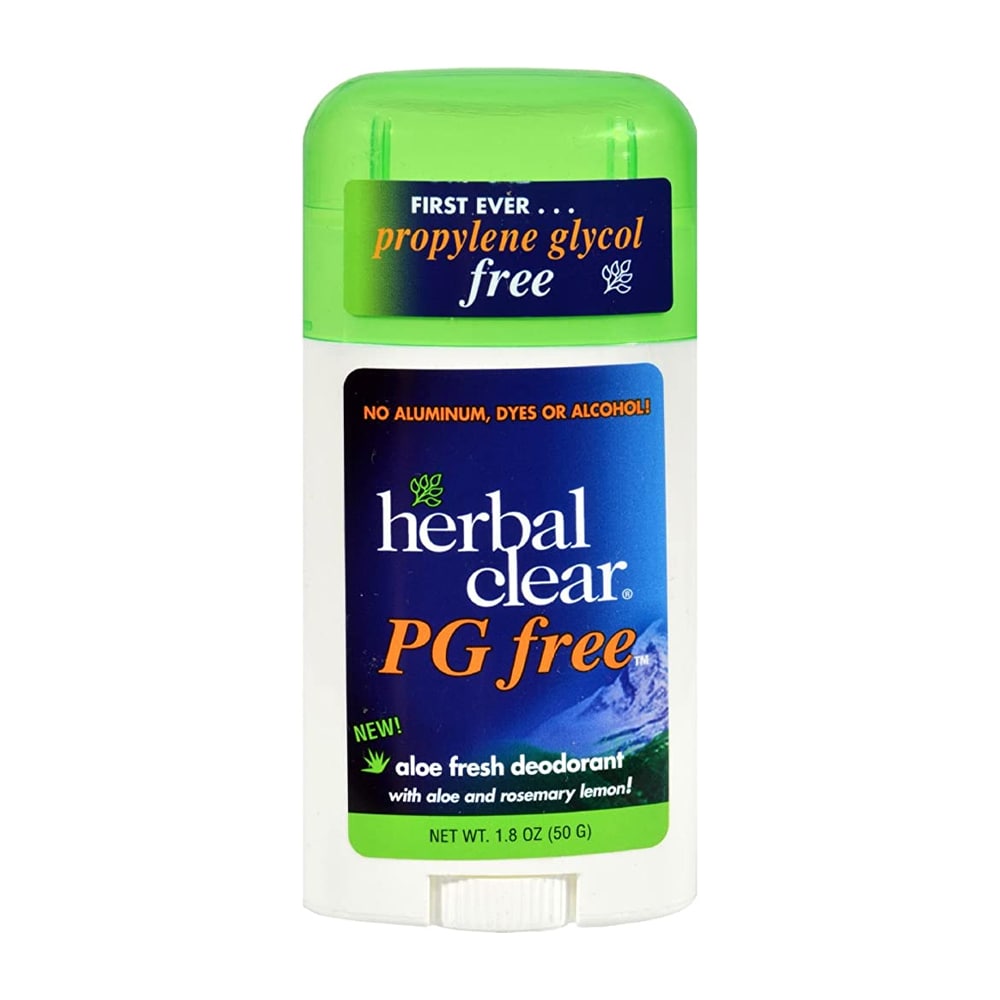
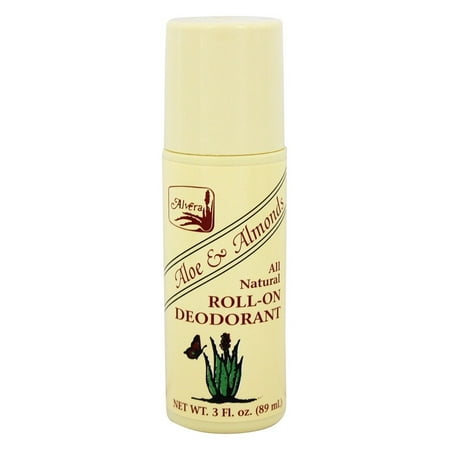

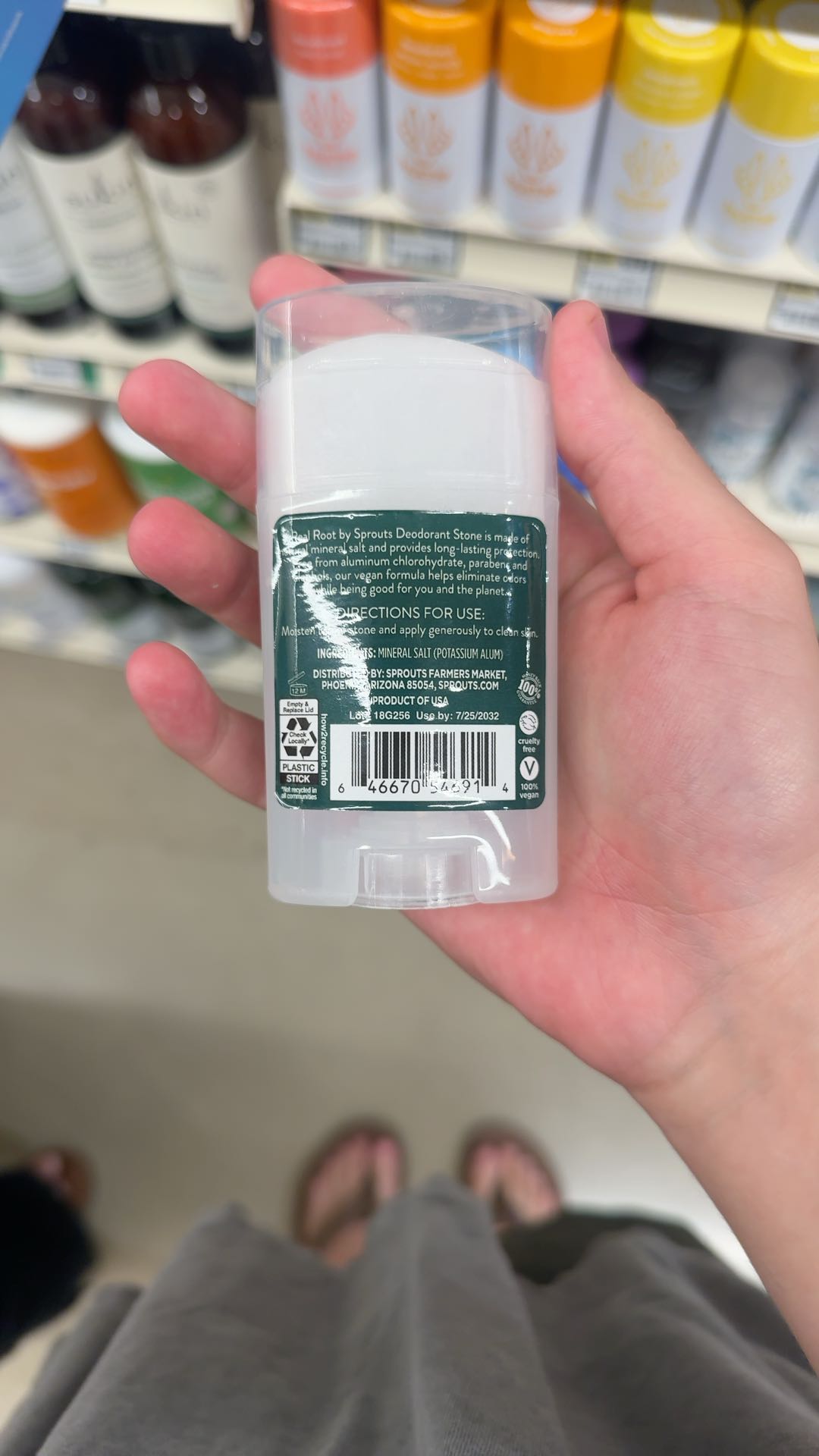
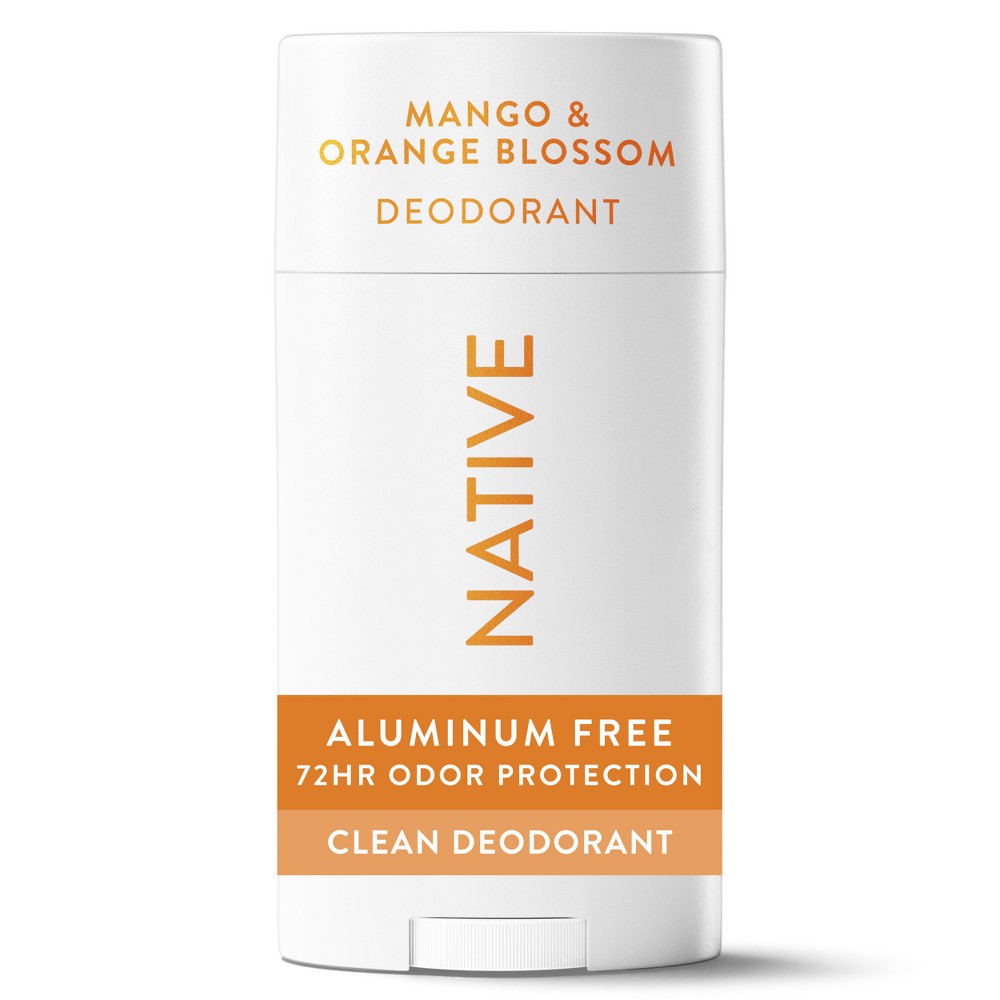
Herbal Clear Deodorant Stick - Aloe Fresh - Pg Free - 1.8 oz
Analysis updated June 2026 · How Scout scores
At a glance
Summary
This deodorant contains beneficial natural ingredients like aloe vera and essential oils, which provide moisturizing and antimicrobial properties. However, the presence of Steareth-100, an ethoxylated compound, raises concerns due to potential contamination with 1,4-dioxane, a possible carcinogen. The product is moderately processed, which impacts its overall rating.
Key ingredients 14
Aloe Barbadensis Leaf JuiceVery Good
Aloe Barbadensis Leaf Juice is a natural extract known for its soothing and moisturizing properties. It is extracted from the aloe vera plant, which is renowned for its skin-healing benefits. This ingredient can help soothe irritated skin and provide hydration.
Benefits
Aloe vera juice is highly beneficial for soothing and moisturizing the skin.
GlycerinGood
Glycerin is a humectant that helps retain moisture in the skin. It is derived from natural sources and is minimally processed, making it a safe and effective ingredient in personal care products. Its moisturizing properties can enhance skin hydration and improve texture.
Benefits
Glycerin helps to maintain skin hydration and improve the skin barrier function.
Essential Oil Fragrances: Rosemary, Lemon, Cypress, Lime, LavenderGood
Essential oils are natural extracts that provide fragrance and potential antimicrobial properties. They are obtained through distillation or cold pressing, preserving their natural benefits. These oils can enhance the sensory experience and may offer mild antibacterial effects.
Risks
Some individuals may experience allergic reactions or skin sensitivity to essential oils.
Benefits
Essential oils can provide natural fragrance and may have antimicrobial properties.
Usnea Barbata (Lichen) ExtractGood
Usnea Barbata Extract is derived from lichen and is known for its antimicrobial properties. It is minimally processed, retaining its natural efficacy in inhibiting bacterial growth. This extract can help reduce odor-causing bacteria in deodorant formulations.
Benefits
Usnea Barbata Extract provides natural antimicrobial benefits, helping to control odor.
Sodium BicarbonateGood
Beneficial ingredient — whole-food or functional value in this product class.
Risks
May cause skin irritation or rash in sensitive individuals.
Benefits
Sodium Bicarbonate effectively neutralizes odors, making it useful in deodorant formulations.
WaterNeutral
Water is used as a solvent and carrier for other ingredients in the formulation. It is typically purified to remove impurities and ensure safety in personal care products. Its role is primarily functional, providing a base for other ingredients.
See more about Water →Sodium StearateNeutral
Sodium Stearate is a salt derived from stearic acid, commonly used as a thickener and stabilizer in deodorants. It is produced through a saponification process, which is generally considered safe. Its primary function is to provide structure and consistency to the product.
See more about Sodium Stearate →Glyceryl StearateNeutral
Glyceryl Stearate is an emulsifier that helps blend oil and water components in formulations. It is derived from glycerin and stearic acid, both of which are naturally occurring substances. Its primary function is to stabilize and improve the texture of the product.
See more about Glyceryl Stearate →Oleic AcidNeutral
Oleic Acid is a fatty acid that acts as an emulsifier and thickener in personal care products. It is derived from natural oils and is generally considered safe for use. Its role is primarily functional, contributing to the consistency and stability of the product.
See more about Oleic Acid →Sodium ChlorideNeutral
Sodium Chloride, commonly known as salt, is used as a thickening agent and stabilizer in personal care products. It is a naturally occurring mineral that is safe for topical use. Its primary function is to enhance the viscosity and stability of the formulation.
See more about Sodium Chloride →EthylhexylglycerinNeutral
Ethylhexylglycerin is a synthetic compound used as a preservative and skin-conditioning agent. It is considered safe for use in personal care products and is often used as an alternative to parabens. Its primary function is to enhance the shelf life and improve skin feel.
See more about Ethylhexylglycerin →Stearyl AlcoholNeutral
Stearyl Alcohol is a fatty alcohol used as an emollient and thickener in personal care products. It is derived from natural fats and oils and is considered safe for use. Its primary function is to improve the texture and consistency of the product.
See more about Stearyl Alcohol →Stearic AcidNeutral
Stearic Acid is a fatty acid used as a thickener and emulsifier in personal care products. It is derived from natural sources and is generally considered safe for use. Its primary function is to stabilize and improve the texture of the formulation.
See more about Stearic Acid →Steareth-100Bad
Steareth-100 is an ethoxylated compound used as an emulsifier in personal care products. The ethoxylation process can lead to contamination with 1,4-dioxane, a potential carcinogen. Its use is primarily functional, aiding in the mixing of oil and water components.
Risks
Potential contamination with 1,4-dioxane, which is a known carcinogen.
Get the full breakdown in the Scout appTake Scout shopping
Scan any product to see lab results, healthy alternatives, and your personalized analysis.
Download on theApp Store GET IT ONGoogle Play