

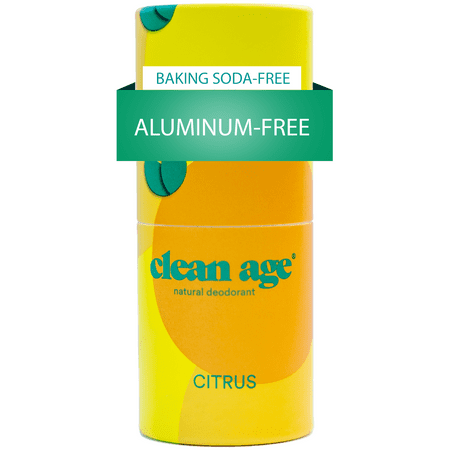
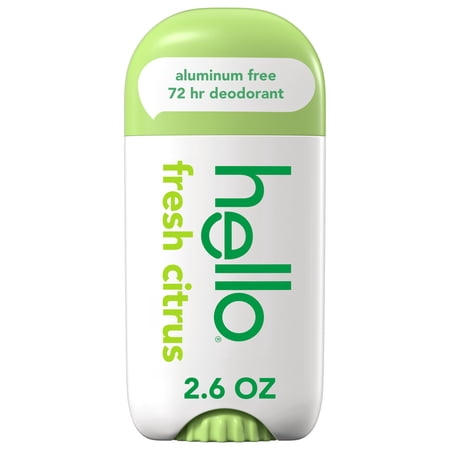
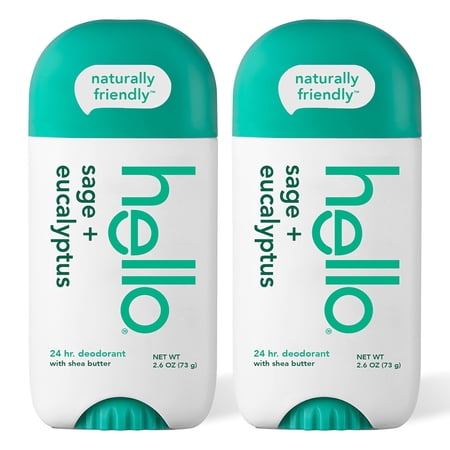
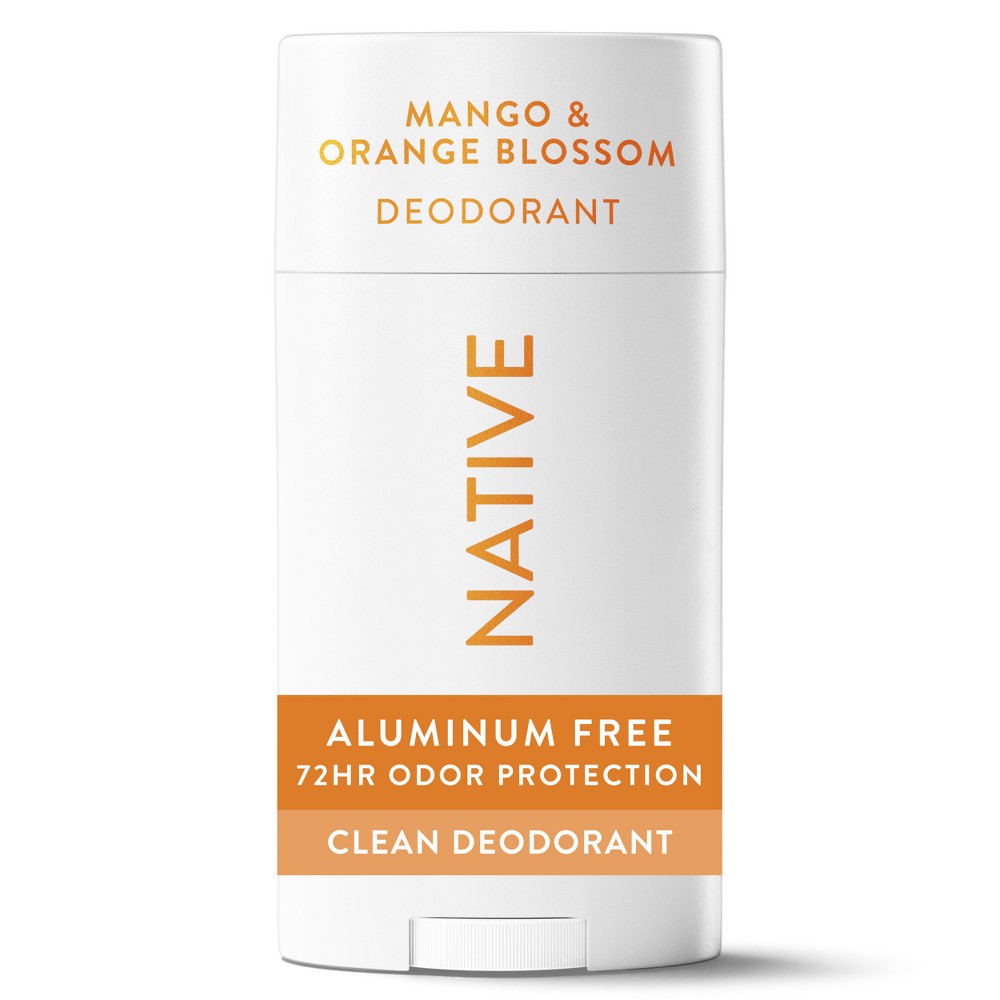
hello Clean + Fresh Aluminum Free Deodorant for Women and Men 2.6 oz Stick Deodorant
Analysis updated August 2026 · How Scout scores
At a glance
Summary
This deodorant is aluminum-free and contains beneficial natural ingredients like magnesium hydroxide, coconut oil, and shea butter, which contribute to effective odor control and skin nourishment. However, the presence of synthetic fragrance is a concern due to potential skin irritation and undisclosed chemical composition, which affects the overall safety profile of the product. Despite being processed, the use of mostly natural ingredients helps maintain a relatively high score.
Key ingredients 14
magnesium hydroxideVery Good
Magnesium hydroxide is a natural mineral used as an effective odor neutralizer in deodorants. It works by raising the pH of the skin, which inhibits the growth of odor-causing bacteria. This ingredient is gentle on the skin and does not block pores.
Risks
There are minimal risks associated with magnesium hydroxide, making it suitable for sensitive skin.
Benefits
It is beneficial for its ability to neutralize odor naturally without causing irritation or blocking sweat glands.
maranta arundinacea root powderGood
Maranta arundinacea root powder, also known as arrowroot powder, is a natural moisture absorber. It helps keep the skin dry by absorbing sweat. This ingredient is often used in natural deodorants for its gentle properties.
Risks
There are minimal risks associated with arrowroot powder, though some individuals may experience mild skin irritation.
Benefits
Arrowroot powder is beneficial for its ability to absorb moisture and keep the skin dry without clogging pores.
cocos nucifera oilGood
Cocos nucifera oil, commonly known as coconut oil, is a nourishing ingredient that provides hydration to the skin. It has antimicrobial properties that can help reduce odor-causing bacteria. Coconut oil is widely used in personal care products for its skin-soothing benefits.
Risks
Coconut oil may cause breakouts or irritation in individuals with sensitive skin.
Benefits
It is beneficial for its moisturizing properties and ability to support skin health while providing a natural barrier against bacteria.
butyrospermum parkii butterGood
Butyrospermum parkii butter, also known as shea butter, is a rich emollient that nourishes and moisturizes the skin. It contains vitamins and fatty acids that support skin health. Shea butter is widely used for its soothing and anti-inflammatory properties.
Risks
There are minimal risks, though it may cause allergic reactions in individuals with nut allergies.
Benefits
Shea butter is beneficial for its deep moisturizing properties and ability to soothe irritated skin.
tocopheryl acetateGood
Tocopheryl acetate is a form of vitamin E used for its antioxidant properties. It helps to protect the skin from damage caused by free radicals. This ingredient is commonly used in skincare products for its moisturizing and skin-conditioning benefits.
Risks
There are minimal risks, though it may cause irritation in very sensitive individuals.
Benefits
It is beneficial for its antioxidant properties and ability to support skin health and hydration.
melaleuca alternifolia leaf oilGood
Melaleuca alternifolia leaf oil, commonly known as tea tree oil, is known for its antimicrobial properties. It helps to reduce bacteria on the skin, which can help control odor. Tea tree oil is widely used in natural deodorants for its effectiveness and skin-soothing properties.
Risks
Tea tree oil can cause irritation or allergic reactions in some individuals, especially if used in high concentrations.
Benefits
It is beneficial for its natural antimicrobial properties and ability to help control odor-causing bacteria.
stearyl alcoholNeutral
Stearyl alcohol is a fatty alcohol used as an emollient and thickener in cosmetic formulations. It helps to stabilize and thicken products, providing a smooth application. It is generally considered safe and non-irritating.
Risks
There are minimal risks associated with stearyl alcohol, though it may cause irritation in very sensitive individuals.
Benefits
Stearyl alcohol helps improve the texture and consistency of products, making them easier to apply.
caprylic capric triglycerideNeutral
Caprylic capric triglyceride is derived from coconut oil and glycerin, used as an emollient and skin-repairing ingredient. It helps to moisturize and replenish the skin. This ingredient is often used for its lightweight and non-greasy feel.
Risks
It is generally considered safe, but some individuals may experience mild irritation.
Benefits
It provides a silky feel and helps to moisturize the skin without leaving a greasy residue.
copernicia cerifera waxNeutral
Copernicia cerifera wax, also known as carnauba wax, is used as a thickening agent in cosmetic products. It provides a glossy finish and helps to stabilize formulations. This wax is derived from the leaves of the carnauba palm.
Risks
There are minimal risks associated with carnauba wax, though it may cause irritation in sensitive individuals.
Benefits
It is beneficial for its ability to thicken and stabilize products, enhancing their texture and application.
triethyl citrateNeutral
Triethyl citrate is used as a deodorizing agent in personal care products. It helps to control odor by inhibiting the enzymatic breakdown of sweat. This ingredient is considered safe and effective for use in deodorants.
Risks
There are minimal risks, though it may cause irritation in sensitive individuals.
Benefits
Triethyl citrate is beneficial for its ability to reduce body odor without affecting the natural perspiration process.
oryza sativa bran waxNeutral
Oryza sativa bran wax is derived from rice bran and used as a thickening and binding agent in cosmetics. It helps to improve the texture and stability of products. This wax is considered safe and non-irritating.
Risks
There are minimal risks associated with rice bran wax, though it may cause irritation in sensitive individuals.
Benefits
It is beneficial for its ability to enhance the texture and stability of cosmetic formulations.
zinc ricinoleateNeutral
Zinc ricinoleate is used in deodorants for its ability to trap and absorb odor molecules. It does not inhibit perspiration but effectively reduces body odor. This ingredient is considered safe and non-irritating.
Risks
There are minimal risks, though it may cause irritation in sensitive individuals.
Benefits
Zinc ricinoleate is beneficial for its ability to control odor without affecting the natural sweating process.
charcoal powderNeutral
Charcoal powder is used in deodorants for its ability to absorb moisture and impurities. It helps to keep the skin dry and reduce odor. This ingredient is popular in natural deodorants for its detoxifying properties.
Risks
There are minimal risks, though it may cause irritation in sensitive individuals.
Benefits
Charcoal powder is beneficial for its moisture-absorbing and odor-reducing properties.
fragranceVery Bad
Fragrance in personal care products can contain a mixture of various chemicals, some of which may be harmful. It is often associated with allergic reactions and skin irritation. The exact composition of 'fragrance' is typically undisclosed, raising concerns about potential harmful effects.
Risks
Fragrance can cause skin irritation, allergic reactions, and may contain endocrine disruptors.
Benefits
While it provides a pleasant scent, the potential risks often outweigh the benefits.
Processing
Processed Foods
Get the full breakdown in the Scout appTake Scout shopping
Scan any product to see lab results, healthy alternatives, and your personalized analysis.
Download on theApp Store GET IT ONGoogle PlayAmazon pricing & content
Amazon price as of . Product prices and availability are accurate as of the date/time indicated and are subject to change. Any price and availability information displayed on Amazon.com at the time of purchase will apply to the purchase of this product.
CERTAIN CONTENT THAT APPEARS ON THIS SITE COMES FROM AMAZON. THIS CONTENT IS PROVIDED “AS IS” AND IS SUBJECT TO CHANGE OR REMOVAL AT ANY TIME.