

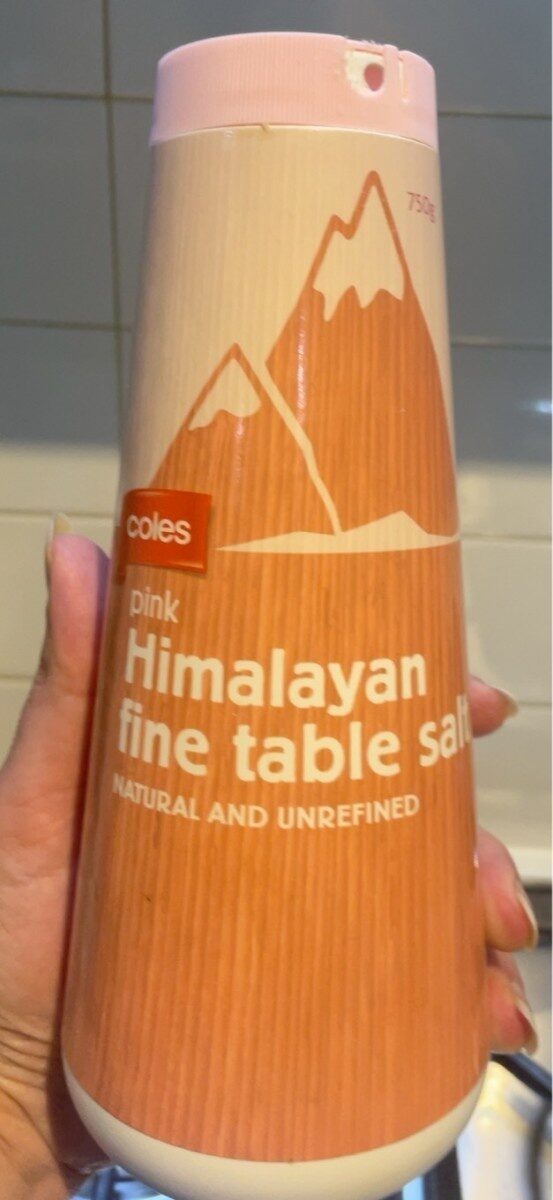
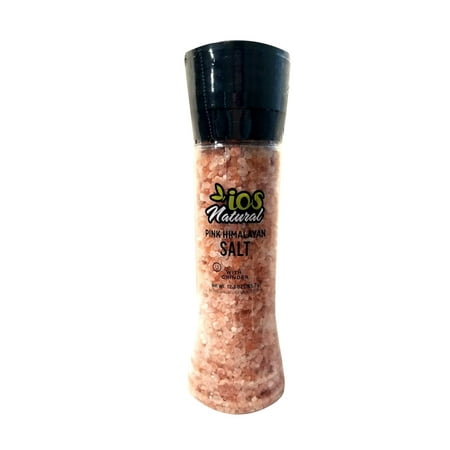
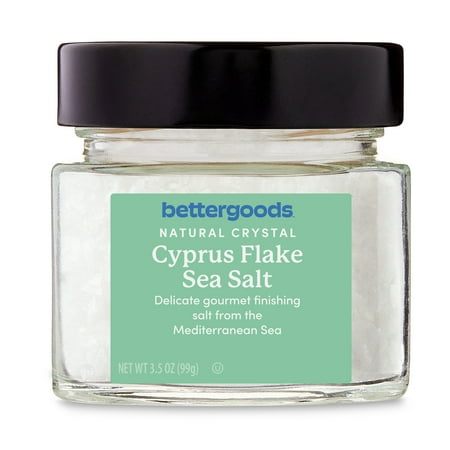

At a glance
Summary
This product is primarily composed of salt, a minimally processed culinary ingredient. It includes a small number of additives such as calcium silicate and potassium iodide, which are commonly used for anti-caking and iodization purposes. The processing level is low, and the ingredient list is short and straightforward, contributing to a high score.
Key ingredients 4
SaltNeutral
Salt is a common culinary ingredient used for seasoning and preserving food. It is refined and lacks the trace minerals found in unrefined salts. While essential for bodily functions, excessive intake can lead to health issues.
Risks
High sodium intake can contribute to hypertension and cardiovascular diseases.
Benefits
Provides essential sodium necessary for nerve function and fluid balance.
Calcium SilicateNeutral
Calcium silicate is used as an anti-caking agent in salt to prevent clumping. It is generally recognized as safe when used in small amounts. It does not contribute any nutritional value to the product.
See more about Calcium Silicate →Sodium ThiosulphateNeutral
Sodium thiosulphate is used in salt as a stabilizer for iodine. It is considered safe in the quantities used in food products. It does not provide any direct nutritional benefits.
Potassium IodideNeutral
Potassium iodide is added to salt to provide iodine, an essential nutrient. It helps prevent iodine deficiency, which can lead to thyroid issues. The amount used in salt is regulated to ensure safety.
Risks
Excessive iodine intake can lead to thyroid dysfunction.
Benefits
Provides iodine, which is essential for thyroid hormone production and metabolic regulation.
Processing
Processed Culinary Ingredients
Get the full breakdown in the Scout appTake Scout shopping
Scan any product to see lab results, healthy alternatives, and your personalized analysis.
Download on theApp Store GET IT ONGoogle Play