
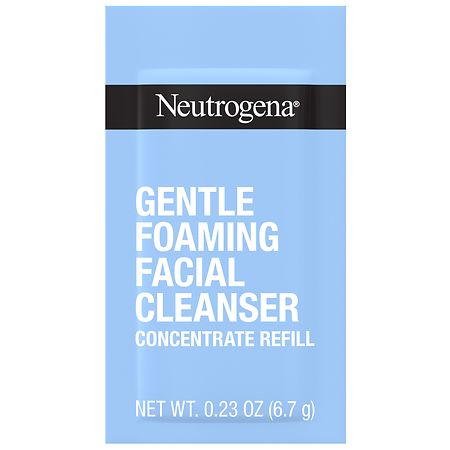



Neutrogena Gentle Foaming Facial Cleanser Refill - Fragrance Free - .23oz
Analysis updated August 2026 · How Scout scores
At a glance
Summary
This facial cleanser contains beneficial ingredients like glycerin and lauryl glucoside, which are known for their moisturizing and gentle cleansing properties. However, the presence of PEG compounds and acrylates copolymer indicates a moderate level of processing, which slightly impacts the overall score. The absence of fragrance and harsh surfactants is a positive aspect, contributing to its suitability for sensitive skin.
Key ingredients 13
GlycerinGood
Glycerin is a humectant that attracts moisture to the skin, helping to keep it hydrated. It is widely used in skincare products for its moisturizing properties. It is generally well-tolerated by most skin types.
Risks
In rare cases, glycerin can cause irritation if used in high concentrations.
Benefits
Glycerin helps to maintain skin hydration and improve skin barrier function.
Lauryl GlucosideGood
Lauryl Glucoside is a mild surfactant derived from natural sources like coconut oil and glucose. It is used for its gentle cleansing properties. It is suitable for sensitive skin.
Risks
There are minimal risks associated with lauryl glucoside, though it can cause mild irritation in sensitive individuals.
Benefits
It provides gentle cleansing without stripping the skin of its natural oils.
EthylhexylglycerinGood
Ethylhexylglycerin is used as a skin conditioning agent and preservative enhancer. It helps to improve the skin feel of the product and boost the efficacy of preservatives. It is generally considered safe for use in cosmetics.
Risks
It may cause mild irritation in sensitive individuals.
Benefits
It enhances the preservation of the product and improves skin feel.
WaterNeutral
Water is a common solvent used in cosmetics to dissolve other ingredients. It helps in forming the base of the product. It does not provide any direct benefits or risks.
Risks
There are no significant risks associated with water in cosmetics.
Benefits
Water helps in dissolving other ingredients and provides a medium for them to function.
Cocamidopropyl BetaineNeutral
Cocamidopropyl Betaine is a surfactant and foam booster derived from coconut oil. It is used to help cleanse the skin by removing dirt and oil. It is considered milder than other surfactants.
Risks
It can cause skin irritation or allergic reactions in some individuals.
Benefits
It provides gentle cleansing and helps to create a rich lather.
Potassium Acrylates CopolymerNeutral
Potassium Acrylates Copolymer is used as a thickening agent in cosmetics. It helps to stabilize formulations and improve texture. It does not have direct benefits or risks for the skin.
Risks
There are no significant risks associated with this ingredient in cosmetics.
Benefits
It helps to improve the texture and stability of the product.
Disodium LauroamphodiacetateNeutral
Disodium Lauroamphodiacetate is a mild surfactant used in cleansing products. It helps to remove dirt and oil from the skin. It is considered gentle and suitable for sensitive skin.
Risks
It may cause mild irritation in very sensitive individuals.
Benefits
It provides effective cleansing while being gentle on the skin.
PEG-120 Methyl Glucose DioleateNeutral
PEG-120 Methyl Glucose Dioleate is used as a thickener and emulsifier in cosmetics. It helps to stabilize formulations and improve texture. It does not have direct benefits or risks for the skin.
Risks
There are minimal risks, though it can cause irritation in sensitive individuals.
Benefits
It helps to improve the texture and stability of the product.
Caprylyl GlycolNeutral
Standard formulation ingredient — neither beneficial nor harmful at typical use.
Risks
It can cause mild irritation in very sensitive individuals.
Benefits
It helps to moisturize the skin and extend the shelf life of the product.
Sodium HydroxideNeutral
Sodium Hydroxide is used to adjust the pH of cosmetic formulations. It helps to maintain the stability and efficacy of the product. It is used in very low concentrations to avoid irritation.
Risks
In high concentrations, it can be irritating to the skin.
Benefits
It helps to maintain the desired pH level of the product.
Citric AcidNeutral
Citric Acid is used to adjust the pH of cosmetic products and as a mild exfoliant. It helps to maintain the stability of the formulation. It is generally safe for use in cosmetics.
Risks
It can cause mild irritation in sensitive skin when used in high concentrations.
Benefits
It helps to maintain the pH balance and can provide mild exfoliation.
Sodium Lauroyl SarcosinateBad
Processed additive flagged under Scout's ingredient doctrine.
Risks
It can cause mild irritation in some individuals.
Benefits
It provides gentle cleansing and is less likely to irritate the skin compared to harsher surfactants.
Potassium SorbateBad
Synthetic preservative — flagged in daily-use products.
Risks
It can cause mild irritation in sensitive individuals.
Benefits
It helps to preserve the product and prevent microbial growth.
Get the full breakdown in the Scout appTake Scout shopping
Scan any product to see lab results, healthy alternatives, and your personalized analysis.
Download on theApp Store GET IT ONGoogle PlayAmazon pricing & content
Amazon price as of . Product prices and availability are accurate as of the date/time indicated and are subject to change. Any price and availability information displayed on Amazon.com at the time of purchase will apply to the purchase of this product.
CERTAIN CONTENT THAT APPEARS ON THIS SITE COMES FROM AMAZON. THIS CONTENT IS PROVIDED “AS IS” AND IS SUBJECT TO CHANGE OR REMOVAL AT ANY TIME.