
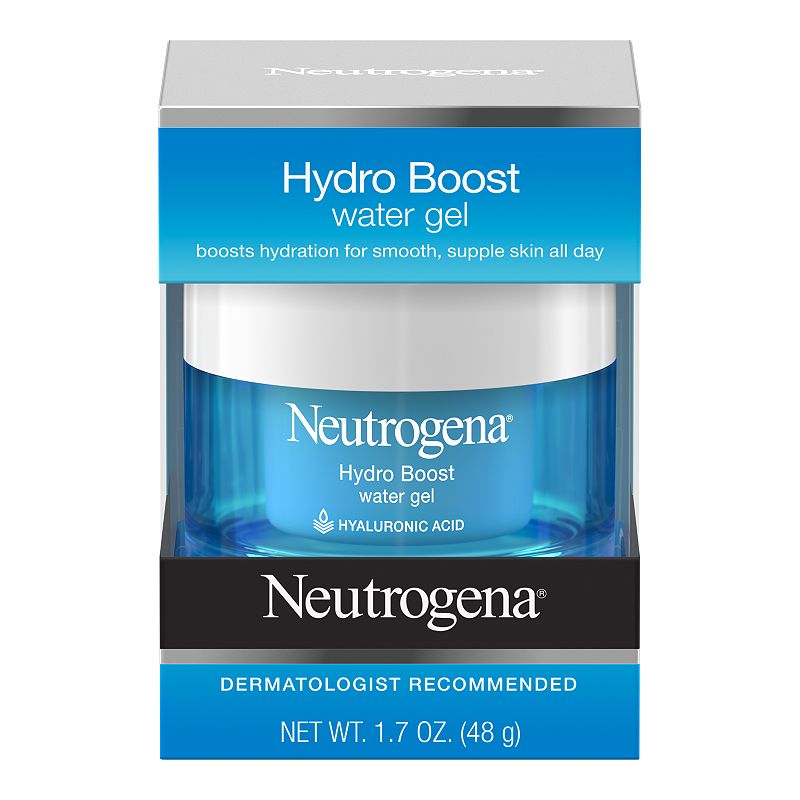

Neutrogena Hydro Boost Water Gel Face Moisturizer for Normal to Oily Skin - 1.7oz: Contains Hyaluronic Acid, Paraben-Free, Aluminum-Free
Summary
This moisturizer contains hyaluronic acid, a beneficial skin active known for its hydrating properties, and is free from parabens and aluminum, which are often avoided due to potential health concerns. The product's formulation is mostly safe with minimal synthetic additives, contributing to a favorable rating. Its clean label and absence of harsh chemicals or known endocrine disruptors further enhance its score.
At a glance
Key ingredients 7
Water
Water is a universal solvent and is used as a base in many cosmetic formulations. It helps dissolve other ingredients and provides hydration to the skin. It is essential for the consistency and application of the product.
Risks
There are no significant risks associated with water in cosmetics.
Benefits
Water hydrates the skin and helps in the absorption of other beneficial ingredients.
Dimethicone
Dimethicone is a type of silicone used to create a smooth application and form a protective barrier on the skin. It helps to lock in moisture and improve the texture of the skin. It is commonly used in moisturizers for its emollient properties.
Risks
Some individuals may experience skin irritation or breakouts from silicones.
Benefits
Dimethicone provides a silky feel and helps to prevent moisture loss from the skin.
Glycerin
Glycerin is a humectant that attracts moisture to the skin, helping to keep it hydrated. It is a common ingredient in skincare products due to its moisturizing properties. It also helps to improve the skin's barrier function.
Risks
Glycerin is generally safe, but in very high concentrations, it may cause irritation.
Benefits
Glycerin helps to maintain skin hydration and improve skin texture.
Dimethicone/Vinyl Dimethicone Crosspolymer
This ingredient is a silicone-based polymer that provides a smooth, silky texture to skincare products. It helps to improve the spreadability and feel of the product on the skin. It also forms a protective barrier that can help retain moisture.
Risks
There is a low risk of skin irritation or allergic reactions.
Benefits
It enhances the texture and application of the product, providing a smooth finish.
Hyaluronic Acid
Hyaluronic Acid is a powerful humectant that can hold up to 1000 times its weight in water, making it highly effective for skin hydration. It is known for its ability to plump and moisturize the skin. It is a popular ingredient in skincare for its anti-aging benefits.
Risks
There are minimal risks, though some may experience mild irritation.
Benefits
Hyaluronic Acid deeply hydrates the skin and reduces the appearance of fine lines.
Urea
Urea is a natural moisturizing factor that helps to maintain skin hydration and improve barrier function. It has keratolytic properties, which means it can help to exfoliate and soften the skin. It is often used in skincare for its hydrating and smoothing effects.
Risks
High concentrations may cause irritation or sensitivity.
Benefits
Urea enhances skin hydration and smoothness, improving overall skin texture.
Vitamin E
Vitamin E is an antioxidant that helps to protect the skin from free radical damage. It is known for its moisturizing and healing properties. It is often included in skincare products for its ability to improve skin health and appearance.
Risks
In rare cases, it may cause skin irritation or allergic reactions.
Benefits
Vitamin E nourishes and protects the skin, promoting a healthy complexion.
Processing
Processed Culinary Ingredients
Get the full breakdown in the Scout app
Scan any product to see lab results, healthy alternatives, and your personalized analysis.
Download on theApp Store