


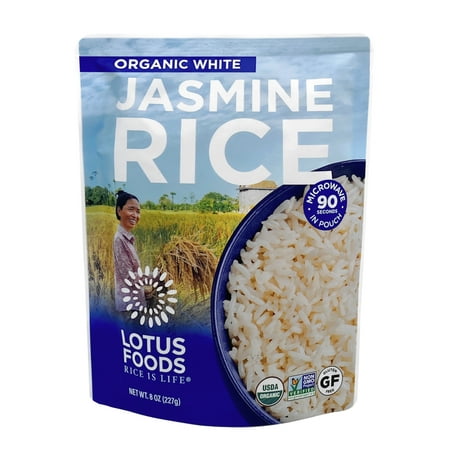

White Rice
Summary
This product contains beneficial ingredients like extra virgin olive oil and garlic powder, which provide healthy fats and antioxidants. However, the presence of highly processed oils such as canola and vegetable oil, which are high in omega-6 fatty acids, negatively impacts the health profile. The product is moderately processed, which limits its score despite some positive ingredient qualities.
At a glance
Key ingredients 9
Long-grain white riceNeutral
Long-grain white rice is a staple carbohydrate source with minimal processing. It provides energy but lacks significant nutrients compared to whole grains. It is often enriched to replace some lost nutrients during milling.
Risks
May contribute to blood sugar spikes due to high glycemic index.
Benefits
Provides a quick source of energy and is easy to digest.
Sea saltGood
Unrefined sea salt — a minimally processed, natural source of sodium and essential trace minerals, and a legitimate whole-food seasoning. Treated as a positive ingredient.
Risks
High sodium intake can increase the risk of hypertension and cardiovascular diseases.
Benefits
Contains trace minerals that may support electrolyte balance.
ButterGood
Butter is a natural fat source rich in fat-soluble vitamins like A, D, and E. It provides a creamy texture and flavor to dishes. Grass-fed butter contains higher levels of beneficial omega-3 fatty acids and CLA.
Risks
High in saturated fats, which may contribute to heart disease if consumed in excess.
Benefits
Rich in fat-soluble vitamins and provides beneficial fatty acids when sourced from grass-fed cows.
Vegetable oilBad
Vegetable oil is often highly processed and may contain high levels of omega-6 fatty acids. These oils can promote inflammation when consumed in excess. They are typically extracted using chemical solvents.
Risks
High omega-6 content may promote inflammation and increase the risk of chronic diseases.
Benefits
Provides a source of energy and is versatile in cooking.
Boiling waterNeutral
Boiling water is used in cooking to hydrate and soften rice. It is a neutral ingredient with no nutritional value. It plays a crucial role in the cooking process.
Benefits
Essential for cooking and hydrating rice.
Canola oilVery Bad
Canola oil is a seed oil that is highly processed and often genetically modified. It contains high levels of omega-6 fatty acids, which can disrupt the omega-3 to omega-6 balance. The extraction process often involves chemical solvents.
Risks
May promote inflammation and increase the risk of chronic diseases due to high omega-6 content.
Benefits
Provides a source of energy and is commonly used in cooking.
Garlic powderGood
Garlic powder is a dehydrated form of garlic that retains many of its beneficial compounds. It is known for its antioxidant and anti-inflammatory properties. It adds flavor without the need for additional salt.
Benefits
Contains antioxidants and may support immune health.
Extra virgin olive oilVery Good
Extra virgin olive oil is a high-quality monounsaturated fat with anti-inflammatory properties. It contains antioxidants that support heart health. Cold-pressed extraction preserves beneficial compounds.
Benefits
Rich in monounsaturated fats that support heart health and provide anti-inflammatory properties. Contains antioxidants like vitamin E and polyphenols that may reduce oxidative stress.
White vinegarNeutral
White vinegar is a common acidic condiment used for flavoring and preservation. It is made through fermentation and contains acetic acid. It has no significant nutritional value but can enhance flavor.
Risks
Excessive consumption may lead to digestive discomfort.
Benefits
Can enhance flavor and act as a preservative.
Processing
Processed Foods
Get the full breakdown in the Scout app
Scan any product to see lab results, healthy alternatives, and your personalized analysis.
Download on theApp Store