

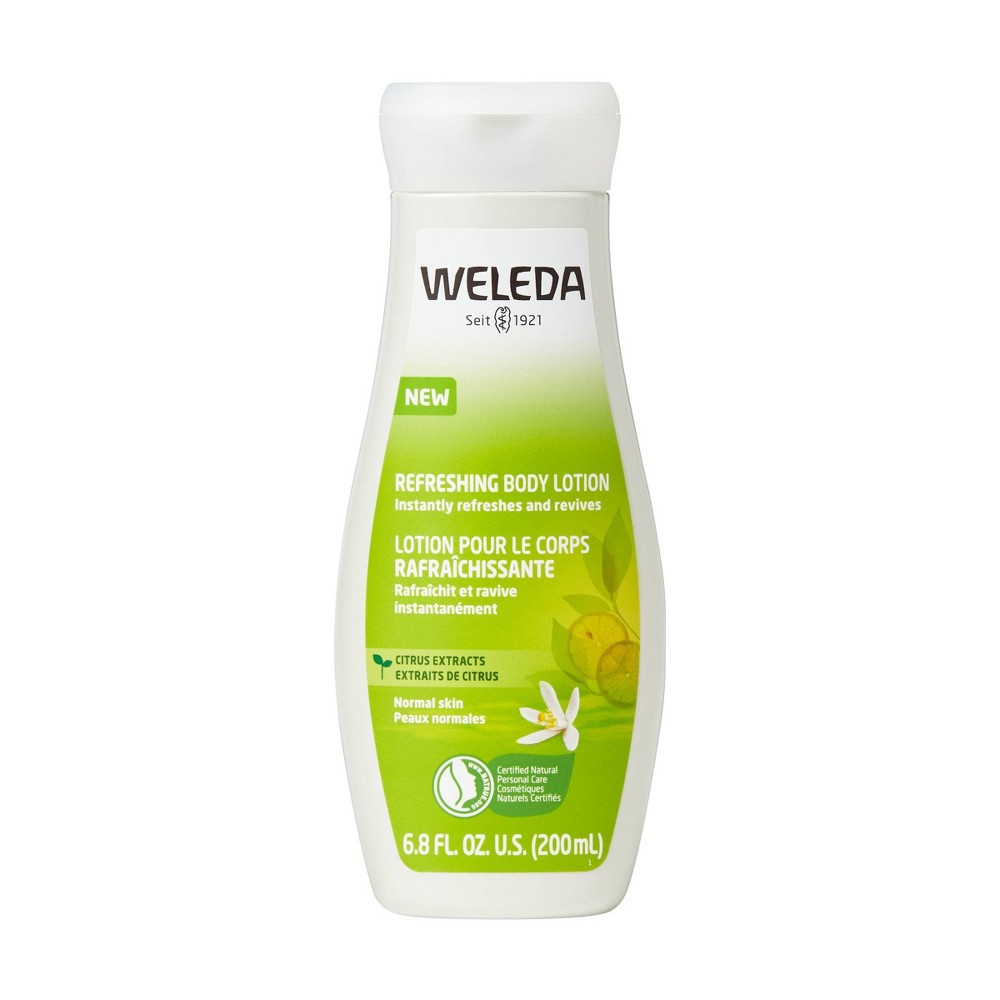
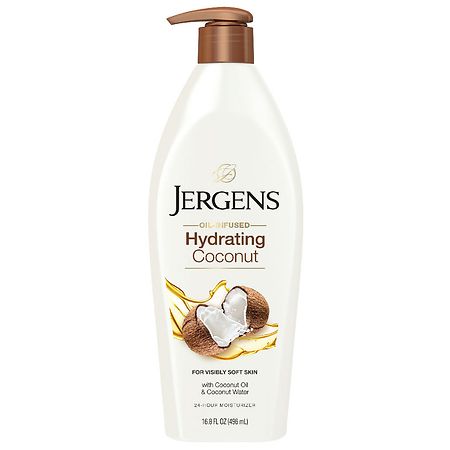
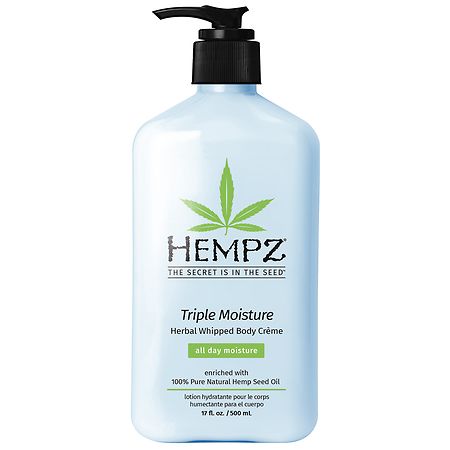
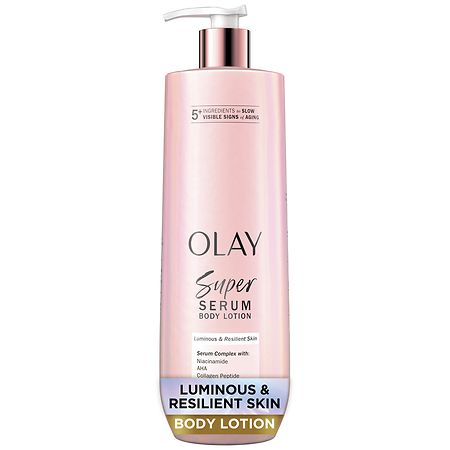
Nivea Skin Firming Hydration Body Lotion Normal Skin 13.5 FL OZ
Analysis updated August 2026 · How Scout scores
At a glance
Summary
This body lotion contains beneficial ingredients like glycerin, shea butter, creatine, and coenzyme Q10, which provide moisturizing and anti-aging benefits. However, the presence of denatured alcohol as a top ingredient is concerning due to its potential to dry and irritate the skin. The overall formulation is a mix of beneficial and potentially irritating components, leading to a moderate score.
Key ingredients 11
Butyrospermum Parkii (Shea Butter)Very Good
Shea Butter is a natural fat extracted from the nuts of the shea tree, known for its moisturizing and anti-inflammatory properties. It is highly beneficial for dry and sensitive skin.
Risks
There are minimal risks, though it may cause allergic reactions in individuals with nut allergies.
Benefits
It deeply moisturizes the skin and provides anti-inflammatory benefits.
Coenzyme Q10Very Good
Coenzyme Q10 is an antioxidant that helps to protect the skin from oxidative stress and reduce signs of aging. It is beneficial for maintaining youthful skin.
Risks
There are minimal risks associated with Coenzyme Q10 in topical applications.
Benefits
It provides antioxidant protection and helps to reduce the appearance of fine lines.
GlycerinGood
Glycerin is a humectant that attracts moisture to the skin, helping to keep it hydrated. It is widely used in skincare for its moisturizing properties.
Risks
There are minimal risks associated with glycerin, though it can cause irritation in very sensitive skin.
Benefits
Glycerin helps to maintain skin hydration and improve skin barrier function.
CreatineGood
Creatine is an amino acid derivative that helps to improve skin elasticity and reduce signs of aging. It is beneficial for maintaining skin firmness.
Risks
There are minimal risks associated with creatine in topical applications.
Benefits
It helps to improve skin elasticity and reduce the appearance of wrinkles.
WaterNeutral
Water is a common solvent used in cosmetics to dissolve other ingredients. It helps in the application and absorption of the product. It does not provide direct benefits or risks.
Risks
There are no significant risks associated with water in cosmetics.
Benefits
Water helps in the application and absorption of the product.
Isopropyl PalmitateNeutral
Isopropyl Palmitate is an emollient that helps to soften and smooth the skin. It is commonly used in lotions and creams for its texture-enhancing properties.
Risks
It may cause acne or irritation in some individuals with sensitive skin.
Benefits
It provides a smooth application and helps to soften the skin.
Glyceryl Stearate SENeutral
Glyceryl Stearate SE is an emulsifier that helps to blend oil and water components in formulations. It is generally considered safe and non-irritating.
Risks
There are minimal risks associated with this ingredient.
Benefits
It stabilizes formulations and improves texture.
Glyceryl StearateNeutral
Glyceryl Stearate is an emulsifier and emollient that helps to soften the skin and stabilize formulations. It is widely used in skincare products.
Risks
There are minimal risks associated with this ingredient.
Benefits
It helps to soften the skin and improve product texture.
C12-15 Alkyl BenzoateNeutral
C12-15 Alkyl Benzoate is an emollient that provides a silky feel to the skin. It is used to improve the texture and spreadability of products.
Risks
There are minimal risks associated with this ingredient.
Benefits
It enhances the texture and feel of the product on the skin.
DimethiconeBad
Occlusive silicone film-former — flagged under clean-beauty doctrine.
Risks
It may cause breakouts in acne-prone skin due to its occlusive nature.
Benefits
It helps to smooth the skin and protect against moisture loss.
Alcohol Denat.Very Bad
Denatured alcohol is used as a solvent and astringent in cosmetics. It can be drying and irritating to the skin, especially in high concentrations.
Risks
It can cause dryness and irritation, particularly in sensitive skin types.
Benefits
It helps in the quick absorption of the product and provides a refreshing feel.
Get the full breakdown in the Scout appTake Scout shopping
Scan any product to see lab results, healthy alternatives, and your personalized analysis.
Download on theApp Store GET IT ONGoogle PlayAmazon pricing & content
Amazon price as of . Product prices and availability are accurate as of the date/time indicated and are subject to change. Any price and availability information displayed on Amazon.com at the time of purchase will apply to the purchase of this product.
CERTAIN CONTENT THAT APPEARS ON THIS SITE COMES FROM AMAZON. THIS CONTENT IS PROVIDED “AS IS” AND IS SUBJECT TO CHANGE OR REMOVAL AT ANY TIME.