
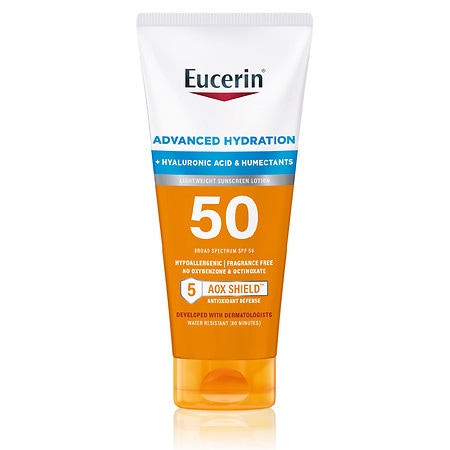
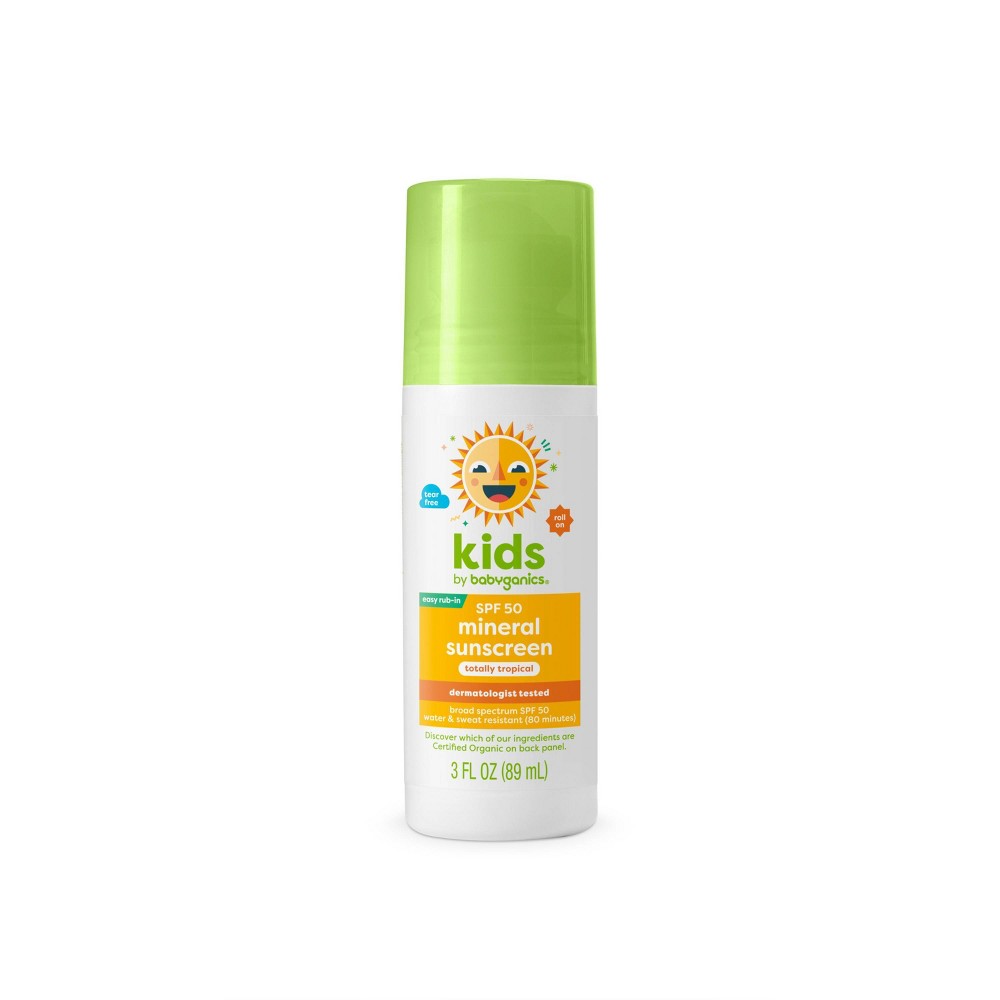
Eucerin Advanced Hydration Sunscreen Lotion - SPF 50 - 5 fl oz: Whole Body, No Fragrance Added, Contains Hyaluronic Acid
Analysis updated August 2026 · How Scout scores
At a glance
Summary
This sunscreen contains beneficial ingredients like hyaluronic acid, aloe vera, and vitamin C, which provide hydration and antioxidant benefits. However, it includes a synthetic copolymer and other processed ingredients that slightly lower its score. The absence of fragrance and the inclusion of skin-friendly components are positive aspects, but the processing level and presence of some synthetic compounds prevent it from achieving a higher rating.
Key ingredients 18
Sodium Ascorbyl PhosphateVery Good
Sodium Ascorbyl Phosphate is a stable form of Vitamin C, known for its antioxidant properties. It helps in reducing skin aging and improving skin texture.
Risks
There are minimal risks associated with this ingredient, though some individuals may experience mild irritation.
Benefits
It provides antioxidant protection and can help brighten the skin.
Aloe Vera LeafVery Good
Aloe Vera Leaf is a natural botanical known for its soothing and hydrating properties. It is commonly used to calm irritated skin and provide moisture.
Risks
Rarely, some people may experience allergic reactions.
Benefits
It soothes and hydrates the skin, making it ideal for sensitive or sun-exposed skin.
Hyaluronate SodiumVery Good
Hyaluronate Sodium, a form of hyaluronic acid, is a powerful humectant that attracts and retains moisture in the skin. It is highly effective in hydrating and plumping the skin.
Risks
There are no significant risks associated with this ingredient.
Benefits
It provides deep hydration and helps maintain skin elasticity.
TocopherolGood
Tocopherol, or Vitamin E, is an antioxidant that helps protect the skin from free radical damage. It also has moisturizing properties.
Risks
In rare cases, it may cause skin irritation or allergic reactions.
Benefits
It protects the skin from oxidative stress and helps maintain skin health.
Potassium HydroxideNeutral
Potassium Hydroxide is used to adjust the pH of cosmetic formulations. It is a strong base and is used in small amounts.
Risks
In high concentrations, it can be irritating to the skin.
Benefits
It helps maintain the stability and effectiveness of the product.
Neopentyl Glycol DiheptanoateNeutral
Neopentyl Glycol Diheptanoate is an emollient that helps improve the texture and feel of the product. It is commonly used in cosmetics for its skin-conditioning properties.
Risks
There are no significant risks associated with this ingredient.
Benefits
It enhances the spreadability and feel of the product on the skin.
HydroxyacetophenoneNeutral
Hydroxyacetophenone is an antioxidant and preservative booster used in cosmetics. It helps stabilize the formulation and protect it from degradation.
Risks
There are minimal risks, though some individuals may experience mild irritation.
Benefits
It enhances the stability and shelf-life of the product.
Alkyl (C12-15) BenzoateNeutral
Alkyl (C12-15) Benzoate is an emollient that provides a silky feel to the skin. It is often used in sunscreens to improve water resistance.
Risks
There are no significant risks associated with this ingredient.
Benefits
It improves the texture and water resistance of the product.
Vinylpyrrolidone/Eicosene CopolymerNeutral
Vinylpyrrolidone/Eicosene Copolymer is a film-forming agent that helps the product adhere to the skin. It is commonly used in sunscreens for its water-resistant properties.
Risks
There are no significant risks associated with this ingredient.
Benefits
It enhances the durability and water resistance of the sunscreen.
EnoxoloneNeutral
Enoxolone, also known as glycyrrhetinic acid, is derived from licorice root and is known for its anti-inflammatory properties. It is used to soothe and calm the skin.
Risks
There are minimal risks, though some individuals may experience mild irritation.
Benefits
It helps reduce inflammation and soothe irritated skin.
Carbomer Interpolymer Type A (Allyl Sucrose Crosslinked)Neutral
Carbomer Interpolymer Type A is a thickening agent used to stabilize and improve the texture of cosmetic formulations. It helps create a smooth and consistent product.
Risks
There are no significant risks associated with this ingredient.
Benefits
It enhances the texture and stability of the product.
Edetate DisodiumNeutral
Edetate Disodium is a chelating agent that helps bind metal ions, preventing them from affecting the stability of the product. It is commonly used in cosmetics to enhance product longevity.
Risks
There are minimal risks, though some individuals may experience mild irritation.
Benefits
It helps maintain the stability and effectiveness of the product.
WaterNeutral
Water is a universal solvent and is used as a base in many cosmetic formulations. It helps dissolve other ingredients and provides hydration.
Risks
There are no risks associated with water in cosmetic formulations.
Benefits
It acts as a solvent and provides hydration to the skin.
Butylene GlycolNeutral
Butylene Glycol is a humectant that helps retain moisture in the skin. It is commonly used in cosmetics to improve texture and spreadability.
Risks
There are minimal risks, though some individuals may experience mild irritation.
Benefits
It enhances the moisture retention and texture of the product.
Diethylhexyl SyringylidenemalonateNeutral
Diethylhexyl Syringylidenemalonate is an antioxidant used in sunscreens to protect the skin from UV-induced damage. It helps stabilize the formulation.
Risks
There are no significant risks associated with this ingredient.
Benefits
It provides antioxidant protection and enhances product stability.
1, 2-HexanediolNeutral
1, 2-Hexanediol is a solvent and preservative booster used in cosmetics. It helps improve the texture and stability of the product.
Risks
There are minimal risks, though some individuals may experience mild irritation.
Benefits
It enhances the texture and preservation of the product.
Glycyrrhiza Inflata RootNeutral
Glycyrrhiza Inflata Root is derived from licorice and is known for its anti-inflammatory and skin-soothing properties. It is used to calm and protect the skin.
Risks
There are minimal risks, though some individuals may experience mild irritation.
Benefits
It helps soothe and protect the skin from irritation.
Styrene/Acrylamide Copolymer (MW 500000)Neutral
Styrene/Acrylamide Copolymer is a film-forming agent that helps the product adhere to the skin. It is used to enhance the water resistance of sunscreens.
Risks
There are no significant risks associated with this ingredient.
Benefits
It improves the durability and water resistance of the sunscreen.
Processing
Processed Foods
Get the full breakdown in the Scout appTake Scout shopping
Scan any product to see lab results, healthy alternatives, and your personalized analysis.
Download on theApp Store GET IT ONGoogle PlayAmazon pricing & content
Amazon price as of . Product prices and availability are accurate as of the date/time indicated and are subject to change. Any price and availability information displayed on Amazon.com at the time of purchase will apply to the purchase of this product.
CERTAIN CONTENT THAT APPEARS ON THIS SITE COMES FROM AMAZON. THIS CONTENT IS PROVIDED “AS IS” AND IS SUBJECT TO CHANGE OR REMOVAL AT ANY TIME.