

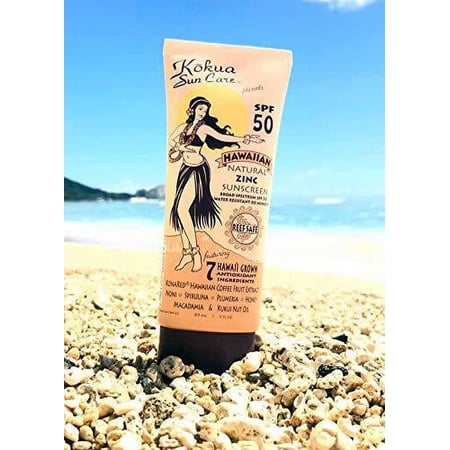
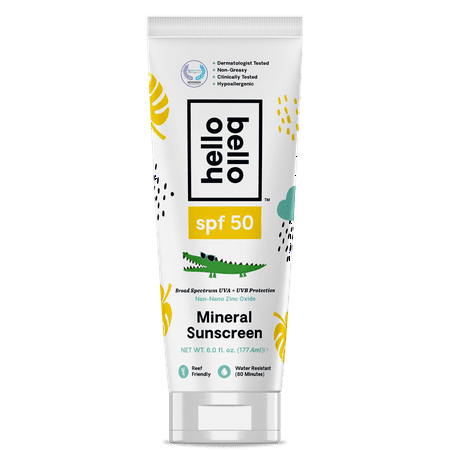

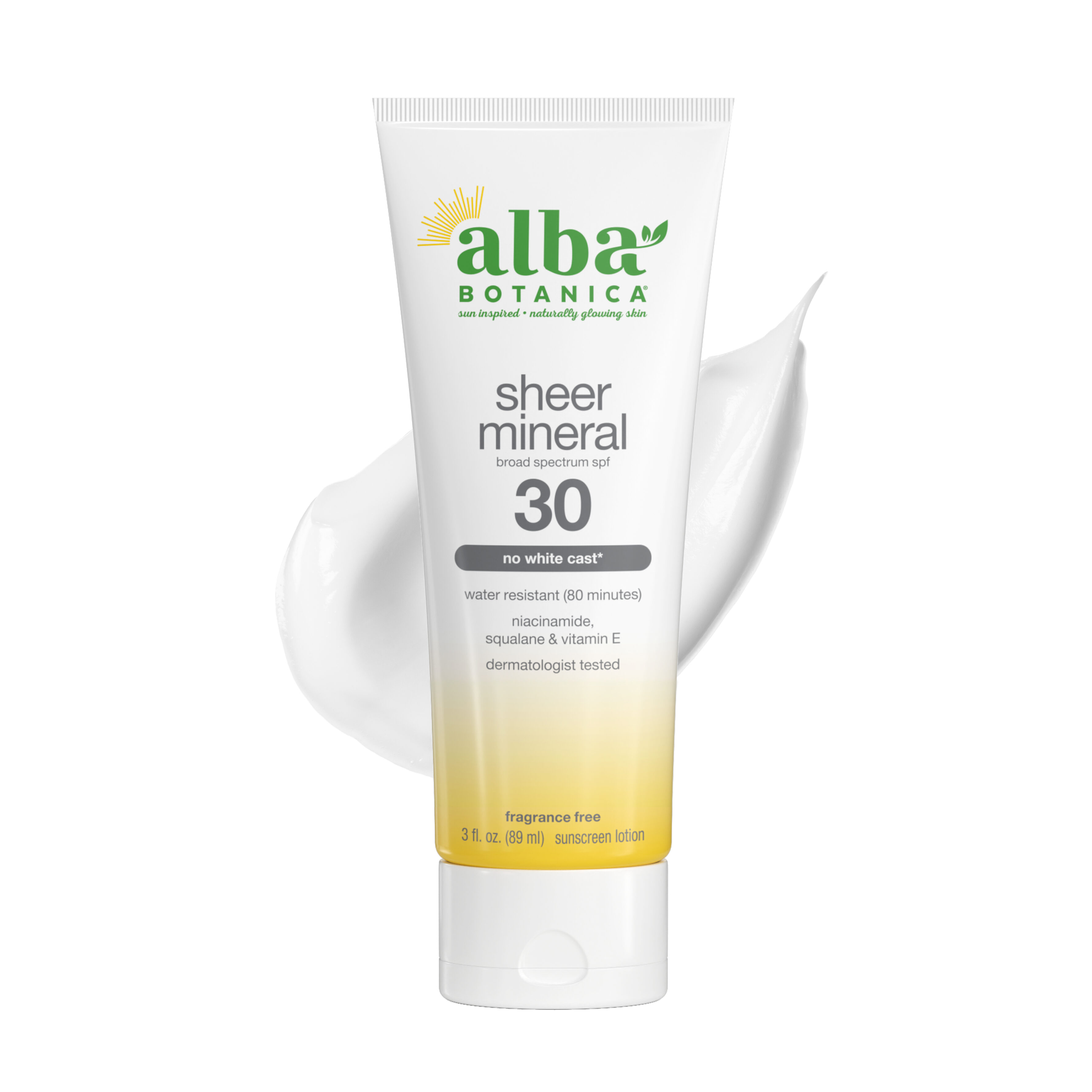
Hawaiian Tropic / LOTION
Analysis updated August 2026 · How Scout scores
At a glance
Summary
This sunscreen lotion contains beneficial ingredients like glycerin, mango seed butter, and various fruit extracts that provide moisturizing and antioxidant benefits. However, the presence of synthetic fragrance, which can cause skin irritation and allergic reactions, detracts from its overall safety profile. The product is moderately processed, which also impacts its rating, but it avoids harsher chemicals and alcohols found in lower-scoring sunscreens.
Key ingredients 28
Mangifera Indica (Mango) Seed ButterVery Good
Mango Seed Butter is a natural emollient rich in fatty acids and antioxidants. It helps moisturize and nourish the skin, improving its texture and appearance. It is considered safe and beneficial for most skin types.
Risks
There are minimal risks, though it may cause irritation in very sensitive skin.
Benefits
It provides deep hydration and nourishment to the skin.
Carica Papaya (Papaya) Fruit ExtractVery Good
Papaya Fruit Extract is rich in vitamins and enzymes that help exfoliate and brighten the skin. It is used for its natural exfoliating and skin-renewing properties. It is considered safe and beneficial for most skin types.
Risks
There are minimal risks, though it may cause irritation in very sensitive skin.
Benefits
It helps exfoliate and brighten the skin, improving its texture and appearance.
Mangifera Indica (Mango) Fruit ExtractVery Good
Mango Fruit Extract is rich in vitamins and antioxidants that help nourish and protect the skin. It is used for its moisturizing and skin-rejuvenating properties. It is considered safe and beneficial for most skin types.
Risks
There are minimal risks, though it may cause irritation in very sensitive skin.
Benefits
It provides nourishment and protection to the skin, improving its health and appearance.
Passiflora Incarnata Fruit ExtractVery Good
Passionflower Extract is rich in antioxidants and vitamins that help soothe and protect the skin. It is used for its calming and skin-conditioning properties. It is considered safe and beneficial for most skin types.
Risks
There are minimal risks, though it may cause irritation in very sensitive skin.
Benefits
It helps soothe and condition the skin, providing antioxidant protection.
Psidium Guajava Fruit ExtractVery Good
Guava Fruit Extract is rich in vitamins and antioxidants that help nourish and protect the skin. It is used for its moisturizing and skin-rejuvenating properties. It is considered safe and beneficial for most skin types.
Risks
There are minimal risks, though it may cause irritation in very sensitive skin.
Benefits
It provides nourishment and protection to the skin, improving its health and appearance.
PanthenolVery Good
Panthenol, also known as Provitamin B5, is used for its moisturizing and skin-soothing properties. It helps improve skin hydration and reduce irritation. It is considered safe and beneficial for most skin types.
Risks
There are minimal risks, though it may cause irritation in very sensitive skin.
Benefits
It helps improve skin hydration and soothe irritation, enhancing skin health.
Aloe Barbadensis Leaf JuiceVery Good
Aloe Vera Juice is known for its soothing and moisturizing properties. It helps calm irritated skin and provides hydration. It is considered safe and beneficial for most skin types.
Risks
There are minimal risks, though it may cause irritation in very sensitive skin.
Benefits
It provides soothing and moisturizing benefits, improving skin comfort and hydration.
Sodium Ascorbyl PhosphateVery Good
Sodium Ascorbyl Phosphate is a stable form of Vitamin C used for its antioxidant and skin-brightening properties. It helps protect the skin from free radical damage and improve skin tone. It is considered safe and beneficial for most skin types.
Risks
There are minimal risks, though it may cause irritation in very sensitive skin.
Benefits
It provides antioxidant protection and helps brighten the skin, improving its appearance.
GlycerinGood
Glycerin is a humectant that attracts moisture to the skin, helping to keep it hydrated. It is widely used in skincare products for its moisturizing properties. It is considered safe and beneficial for most skin types.
Risks
There are minimal risks associated with glycerin, though it may cause irritation in very sensitive skin.
Benefits
It helps maintain skin hydration and improves skin barrier function.
Tocopheryl AcetateGood
Tocopheryl Acetate is a form of Vitamin E used for its antioxidant properties. It helps protect the skin from free radical damage and supports skin health. It is generally considered safe and beneficial for most skin types.
Risks
There are minimal risks, though it may cause irritation in very sensitive skin.
Benefits
It provides antioxidant protection and supports skin health.
WaterNeutral
Water is a common solvent used in cosmetic formulations. It helps dissolve other ingredients and provides a base for the lotion. It is generally considered safe and non-irritating.
Risks
There are no significant risks associated with water in cosmetics.
Benefits
Water helps hydrate the skin by providing moisture.
Diisopropyl AdipateNeutral
Diisopropyl Adipate is an emollient that helps to soften and smooth the skin. It is commonly used in lotions and creams for its ability to improve texture. It is generally considered safe for use in cosmetics.
Risks
Some individuals may experience mild irritation or allergic reactions.
Benefits
It enhances the spreadability of the product and provides a silky feel.
Cetearyl AlcoholNeutral
Cetearyl Alcohol is a fatty alcohol used as an emollient and thickener in cosmetics. It helps stabilize formulations and improve texture. It is generally considered safe and non-irritating.
Risks
Rarely, it may cause skin irritation in sensitive individuals.
Benefits
It helps to soften and condition the skin, improving the overall feel of the product.
Acrylates/C12-22 Alkyl Methacrylate CopolymerNeutral
This copolymer is used as a film-forming agent in cosmetics, providing texture and stability. It helps improve the product's application and wear. It is generally considered safe for use in cosmetics.
Risks
There are minimal risks, though it may cause irritation in sensitive skin.
Benefits
It enhances the texture and longevity of the product on the skin.
C12-15 Alkyl BenzoateNeutral
C12-15 Alkyl Benzoate is an emollient that helps improve the texture and feel of cosmetic products. It is commonly used for its ability to enhance spreadability. It is generally considered safe for use in cosmetics.
Risks
It may cause mild irritation in sensitive individuals.
Benefits
It provides a smooth, silky feel to the skin and helps improve product application.
Ceteth-10 PhosphateNeutral
Ceteth-10 Phosphate is an emulsifier used to blend oil and water in cosmetic formulations. It helps maintain product consistency and stability. It is generally considered safe for use in cosmetics.
Risks
It may cause mild irritation in sensitive individuals.
Benefits
It helps stabilize emulsions, ensuring a uniform product.
Dicetyl PhosphateNeutral
Dicetyl Phosphate is used as an emulsifier and stabilizer in cosmetics. It helps maintain product consistency and prevents separation. It is generally considered safe for use in cosmetics.
Risks
It may cause mild irritation in sensitive individuals.
Benefits
It helps stabilize emulsions, ensuring a uniform product.
Coco-GlucosideNeutral
Coco-Glucoside is a mild surfactant derived from coconut oil and glucose. It is used to cleanse and condition the skin. It is generally considered safe and non-irritating.
Risks
There are minimal risks, though it may cause irritation in very sensitive skin.
Benefits
It provides gentle cleansing and conditioning properties.
ChlorphenesinNeutral
Chlorphenesin is a preservative used to prevent microbial growth in cosmetics. It helps extend product shelf life and maintain safety. It is generally considered safe when used within recommended limits.
Risks
High concentrations can cause skin irritation and allergic reactions.
Benefits
It helps maintain product integrity by preventing contamination.
Xanthan GumNeutral
Xanthan Gum is a natural thickening agent used to stabilize cosmetic formulations. It helps improve texture and consistency. It is generally considered safe and non-irritating.
Risks
There are minimal risks, though it may cause irritation in very sensitive skin.
Benefits
It enhances the texture and stability of the product.
Sodium HydroxideNeutral
Sodium Hydroxide is used to adjust the pH of cosmetic formulations. It helps maintain product stability and effectiveness. It is generally considered safe when used in low concentrations.
Risks
High concentrations can cause skin irritation and chemical burns.
Benefits
It helps maintain the desired pH level of the product.
Plumeria Acutifolia Flower ExtractNeutral
Plumeria Flower Extract is used for its fragrance and potential skin-soothing properties. It is commonly included in cosmetics for its aromatic qualities. It is generally considered safe for use in cosmetics.
Risks
There are minimal risks, though it may cause irritation in very sensitive skin.
Benefits
It provides a pleasant fragrance and may offer skin-soothing benefits.
PhenoxyethanolBad
Processed additive flagged under Scout's ingredient doctrine.
Risks
High concentrations can cause skin irritation and allergic reactions.
Benefits
It helps maintain product integrity by preventing contamination.
Benzyl AlcoholBad
Processed additive flagged under Scout's ingredient doctrine.
Risks
It can cause skin irritation and allergic reactions in some individuals.
Benefits
It helps preserve the product and maintain its effectiveness.
Acrylates/C10-30 Alkyl Acrylate CrosspolymerBad
Processed additive flagged under Scout's ingredient doctrine.
Risks
There are minimal risks, though it may cause irritation in sensitive skin.
Benefits
It enhances the texture and stability of the product.
DimethiconeBad
Occlusive silicone film-former — flagged under clean-beauty doctrine.
Risks
It may cause mild irritation in sensitive individuals.
Benefits
It provides a smooth, silky feel to the skin and helps improve product application.
Disodium EDTABad
Processed additive flagged under Scout's ingredient doctrine.
Risks
It may cause mild irritation in sensitive individuals.
Benefits
It enhances product stability and prevents degradation.
FragranceVery Bad
Fragrance is added to cosmetics to provide a pleasant scent. However, it is a common cause of allergic reactions and skin irritation. It is often criticized for its potential to cause sensitivity.
Risks
Fragrance can cause allergic reactions, skin irritation, and sensitization.
Benefits
It provides a pleasant scent to the product, enhancing user experience.
Get the full breakdown in the Scout appTake Scout shopping
Scan any product to see lab results, healthy alternatives, and your personalized analysis.
Download on theApp Store GET IT ONGoogle PlayAmazon pricing & content
Amazon price as of . Product prices and availability are accurate as of the date/time indicated and are subject to change. Any price and availability information displayed on Amazon.com at the time of purchase will apply to the purchase of this product.
CERTAIN CONTENT THAT APPEARS ON THIS SITE COMES FROM AMAZON. THIS CONTENT IS PROVIDED “AS IS” AND IS SUBJECT TO CHANGE OR REMOVAL AT ANY TIME.