
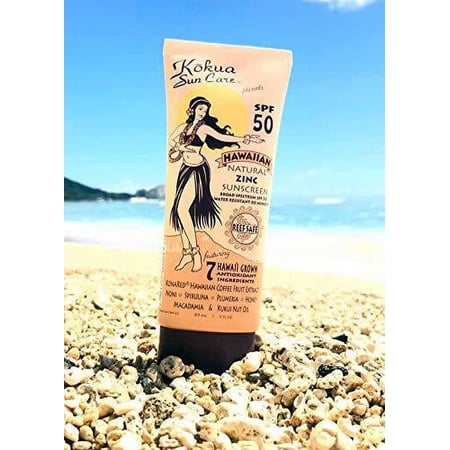


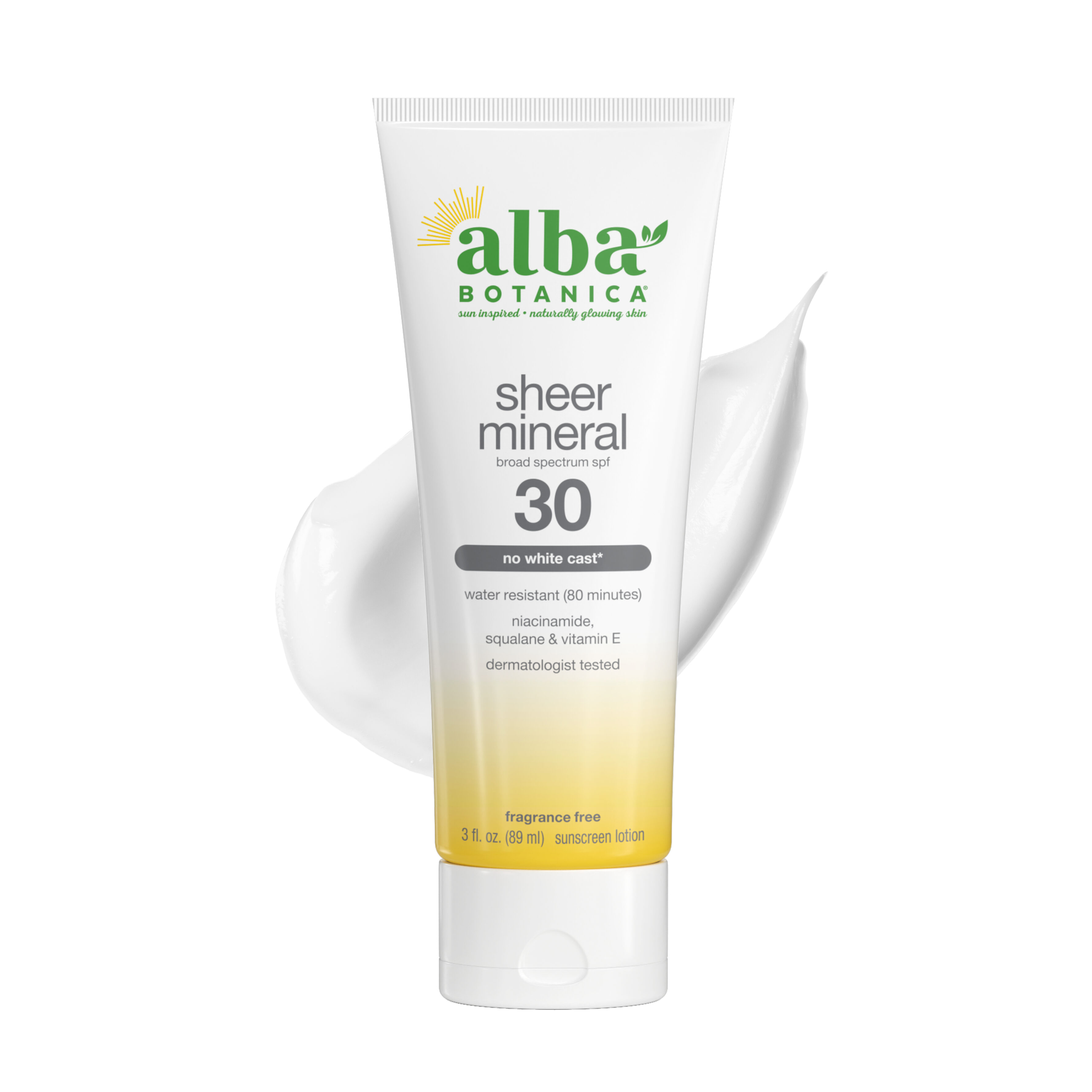
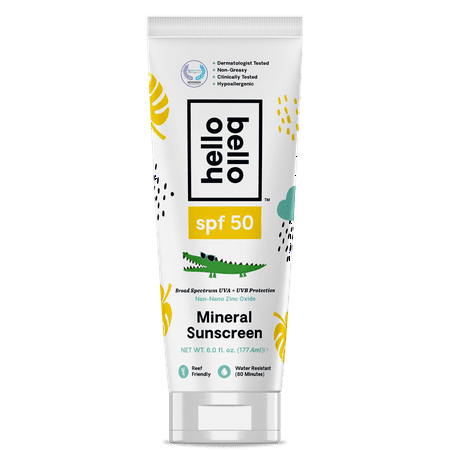
Kokua Hawaiian Natural Zinc Sunscreen SPF 50 / LOTION
At a glance
Summary
This sunscreen features a predominantly natural ingredient list, including beneficial oils like macadamia and kukui seed oil, which provide excellent moisturizing properties. The use of zinc oxide as a mineral UV filter avoids the risks associated with chemical filters, and the absence of synthetic fragrances or harsh chemicals further enhances its safety profile. The product's formulation is minimally processed, focusing on natural emollients and antioxidants, contributing to its high rating.
Key ingredients 9
Aloe Barbadensis Leaf JuiceVery Good
Aloe vera is known for its soothing and moisturizing properties. It is often used to calm irritated skin and provide hydration. It is a natural ingredient with a long history of safe use.
Risks
Aloe vera is generally safe, but some individuals may experience allergic reactions.
Benefits
Aloe vera provides soothing relief to sunburned or irritated skin and helps maintain skin hydration.
Hawaiian Macadamia Ternifolia Seed OilVery Good
Macadamia oil is rich in fatty acids and antioxidants, providing excellent moisturizing properties. It is a natural oil that is easily absorbed by the skin. It helps to nourish and protect the skin barrier.
Risks
There are minimal risks, though it may cause allergic reactions in individuals with nut allergies.
Benefits
It deeply moisturizes the skin and helps to improve skin elasticity.
Hawaiian Aleurites Moluccana (Kukui) Seed OilVery Good
Kukui nut oil is known for its ability to penetrate the skin and provide deep hydration. It is rich in essential fatty acids and vitamins. It is traditionally used to soothe sunburns and dry skin.
Risks
There are minimal risks, though it may cause allergic reactions in sensitive individuals.
Benefits
It helps to soothe and moisturize the skin, making it ideal for sun-exposed skin.
Cocos Nucifera (Coconut) OilVery Good
Coconut oil is a natural emollient that provides deep hydration and nourishment to the skin. It is rich in fatty acids and has antimicrobial properties. It is widely used in skincare for its moisturizing benefits.
Risks
There are minimal risks, though it may clog pores in acne-prone skin.
Benefits
It helps to moisturize and protect the skin, leaving it soft and smooth.
Caprylyl Caprylate/CaprateGood
This ingredient is an emollient that helps to soften and smooth the skin. It is derived from coconut oil and glycerin, making it a natural and safe choice. It enhances the spreadability of the product.
Risks
There are minimal risks associated with this ingredient, though it may cause mild irritation in sensitive individuals.
Benefits
It helps to improve skin texture and provides a silky feel to the product.
Polyglyceryl-2 OleateGood
This is an emulsifier that helps to blend oil and water components in formulations. It is derived from natural sources and is considered safe for use. It contributes to the stability of the product.
Risks
There are no significant risks associated with this ingredient.
Benefits
It helps to maintain the consistency and effectiveness of the product.
GlycerinGood
Glycerin is a humectant that attracts moisture to the skin, helping to keep it hydrated. It is a natural compound that is safe and effective for all skin types. It enhances the skin's natural barrier function.
Risks
There are no significant risks associated with glycerin.
Benefits
It helps to maintain skin hydration and improve skin texture.
Tocopheryl AcetateGood
Tocopheryl acetate is a form of vitamin E, an antioxidant that helps to protect the skin from free radical damage. It is commonly used in skincare for its protective and moisturizing properties. It supports skin health and repair.
Risks
There are minimal risks, though it may cause irritation in very sensitive skin.
Benefits
It helps to protect the skin from environmental stressors and supports skin healing.
WaterNeutral
Water is a common solvent used in many cosmetic formulations. It helps to dissolve other ingredients and provides a base for the product. It is generally considered safe and non-irritating.
Risks
There are no significant risks associated with water in cosmetic formulations.
Benefits
Water helps to hydrate the skin and acts as a carrier for other beneficial ingredients.
Get the full breakdown in the Scout appTake Scout shopping
Scan any product to see lab results, healthy alternatives, and your personalized analysis.
Download on theApp Store GET IT ONGoogle PlayAmazon pricing & content
Amazon price as of . Product prices and availability are accurate as of the date/time indicated and are subject to change. Any price and availability information displayed on Amazon.com at the time of purchase will apply to the purchase of this product.
CERTAIN CONTENT THAT APPEARS ON THIS SITE COMES FROM AMAZON. THIS CONTENT IS PROVIDED “AS IS” AND IS SUBJECT TO CHANGE OR REMOVAL AT ANY TIME.