

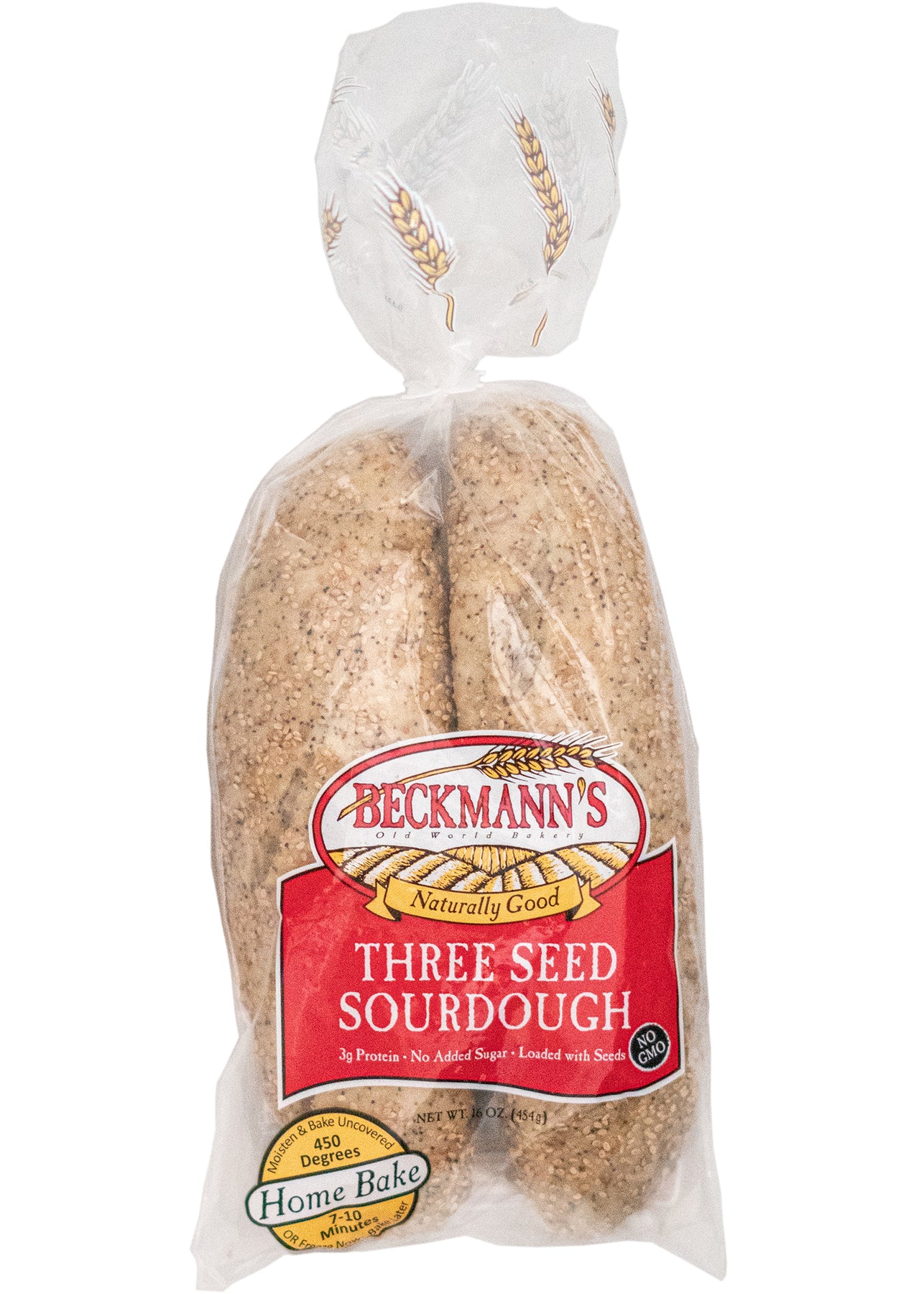
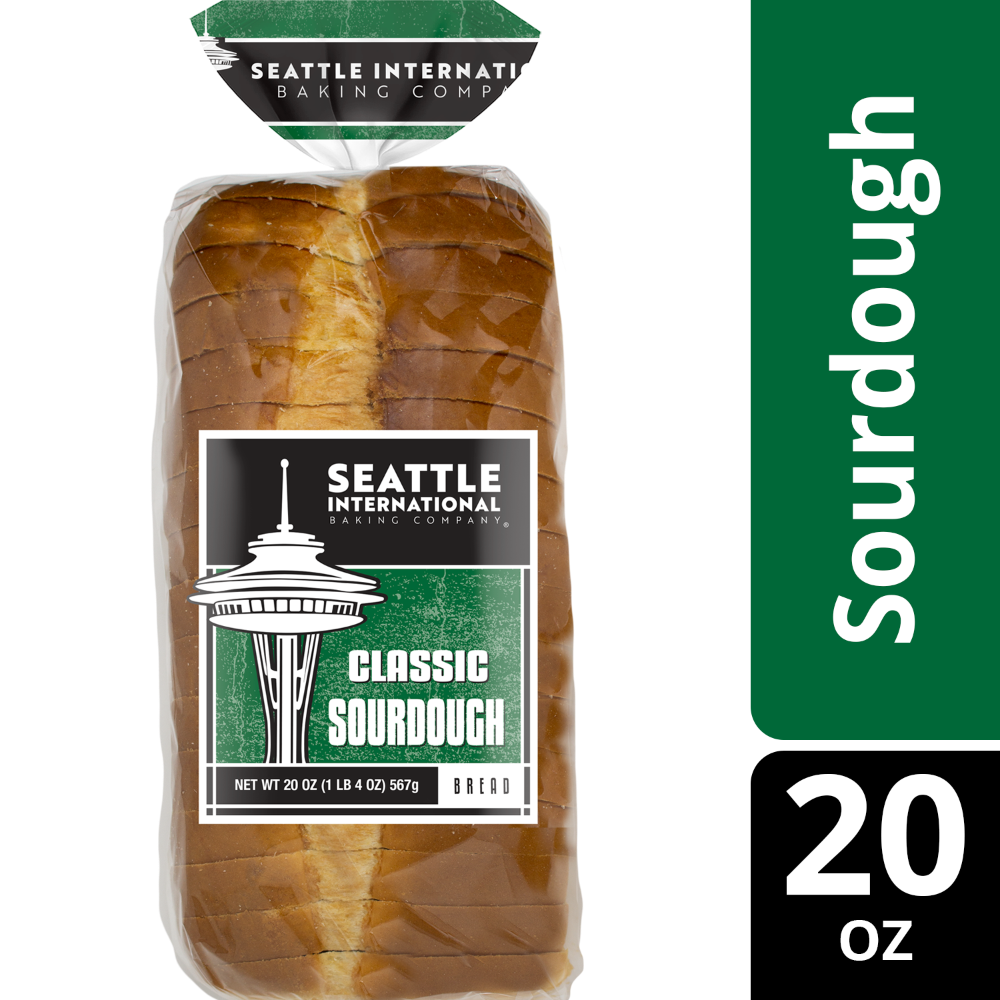

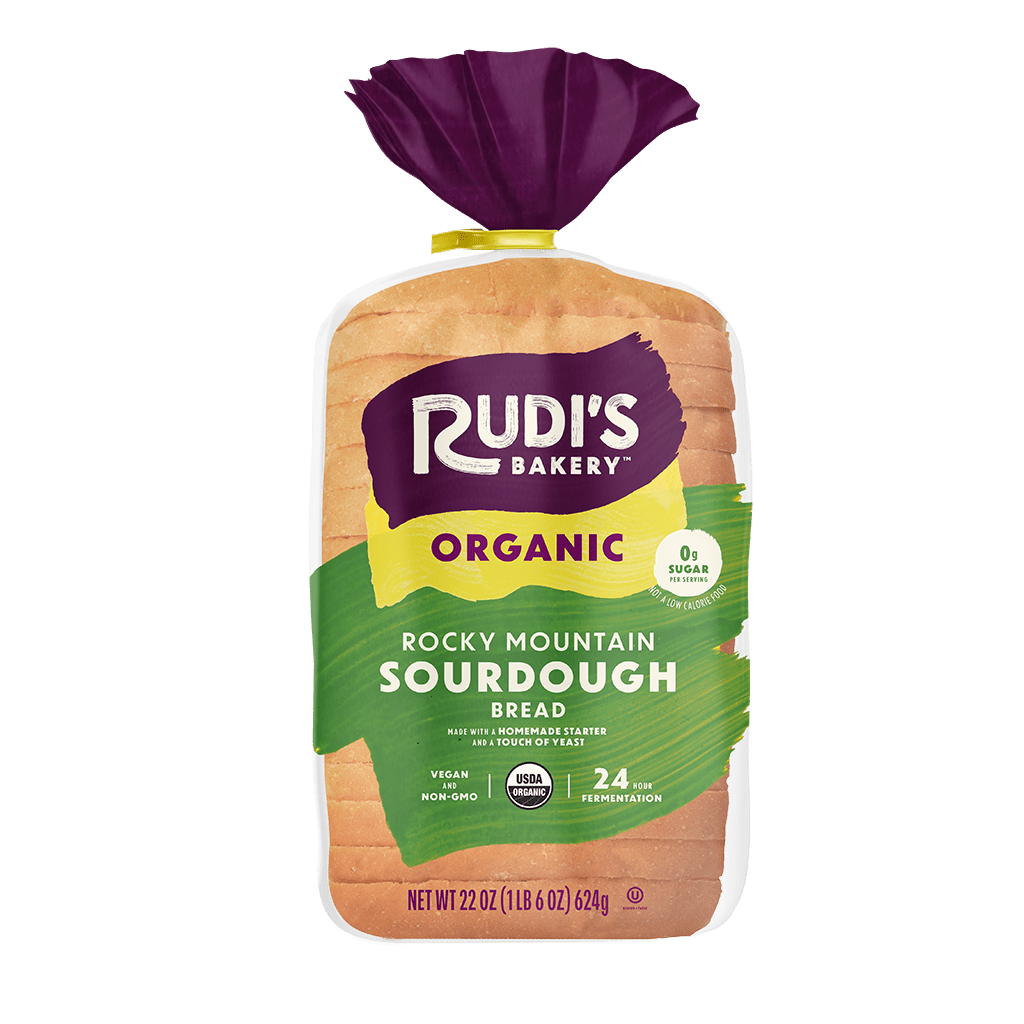
Sandwich Round Sourdough Bread
Summary
This sourdough bread is processed and contains soybean oil, which is a seed oil high in omega-6 fatty acids that can promote inflammation. The presence of potassium sorbate as a mold inhibitor and the use of enriched flour further contribute to its processed nature. Despite these factors, the bread has a relatively short ingredient list and lacks artificial colors or high-fructose corn syrup, which helps mitigate some concerns.
At a glance
Key ingredients 11
Enriched unbleached wheat flourNeutral
Enriched unbleached wheat flour is a refined flour that has been fortified with vitamins and minerals. It lacks the fiber and nutrients found in whole grain flour. The enrichment process adds back some nutrients lost during processing, but it is still less nutritious than whole grain alternatives.
Risks
May contribute to blood sugar spikes due to its refined nature and lack of fiber.
Benefits
Provides essential vitamins and minerals such as niacin, iron, and folic acid due to enrichment.
WaterNeutral
Water is a fundamental ingredient used in bread making to hydrate the flour and activate yeast. It is essential for the dough formation process. There are no health concerns associated with water in this context.
Benefits
Essential for hydration and dough formation in bread making.
SaltNeutral
Salt is used in bread to enhance flavor and control yeast activity. It is a common ingredient in baking. Excessive consumption of salt can lead to health issues such as high blood pressure.
Risks
Excessive intake may contribute to hypertension and cardiovascular issues.
Benefits
Enhances flavor and helps control yeast fermentation in bread.
Vital wheat glutenNeutral
Vital wheat gluten is added to improve the elasticity and chewiness of bread. It is a concentrated form of gluten protein. While beneficial for bread texture, it may cause issues for those with gluten sensitivities or celiac disease.
Risks
Can cause adverse reactions in individuals with gluten intolerance or celiac disease.
Benefits
Improves bread texture by enhancing elasticity and chewiness.
Soybean oilVery Bad
Soybean oil is a seed oil high in omega-6 fatty acids, which can promote inflammation when consumed in excess. It is often highly processed and refined. The high omega-6 content and processing methods are concerning for health.
Risks
High omega-6 content may promote inflammation and is linked to various health issues when consumed in excess.
YeastNeutral
Yeast is a microorganism used in bread making to ferment sugars and produce carbon dioxide, which helps the dough rise. It is a natural and essential component of leavened bread. There are no significant health concerns associated with yeast in this context.
Benefits
Essential for fermentation and leavening in bread making.
Distilled vinegarNeutral
Distilled vinegar is used in bread as a preservative and to enhance flavor. It is a common ingredient in food processing. There are no significant health concerns associated with its use in small quantities.
Benefits
Acts as a preservative and flavor enhancer in bread.
Ascorbic acidNeutral
Ascorbic acid, also known as vitamin C, is used in bread making to strengthen dough and improve volume. It is a common additive in baking. There are no significant health concerns associated with its use in this context.
Benefits
Improves dough strength and bread volume.
EnzymesNeutral
Enzymes are used in bread making to improve dough handling and extend shelf life. They are naturally occurring proteins that catalyze biochemical reactions. There are no significant health concerns associated with their use in this context.
Benefits
Enhances dough handling and extends shelf life.
Potassium sorbateNeutral
Potassium sorbate is a preservative used to inhibit mold and yeast growth in food products. It is widely used in the food industry for its effectiveness. While generally recognized as safe, some individuals may experience allergic reactions.
Risks
May cause allergic reactions in sensitive individuals.
Benefits
Effectively inhibits mold and yeast growth, extending product shelf life.
Calcium sulfateNeutral
Calcium sulfate is used in bread as a dough conditioner and to provide calcium fortification. It is a common additive in baking. There are no significant health concerns associated with its use in this context.
Benefits
Acts as a dough conditioner and provides calcium fortification.
Processing
Processed Foods
Get the full breakdown in the Scout app
Scan any product to see lab results, healthy alternatives, and your personalized analysis.
Download on theApp Store