
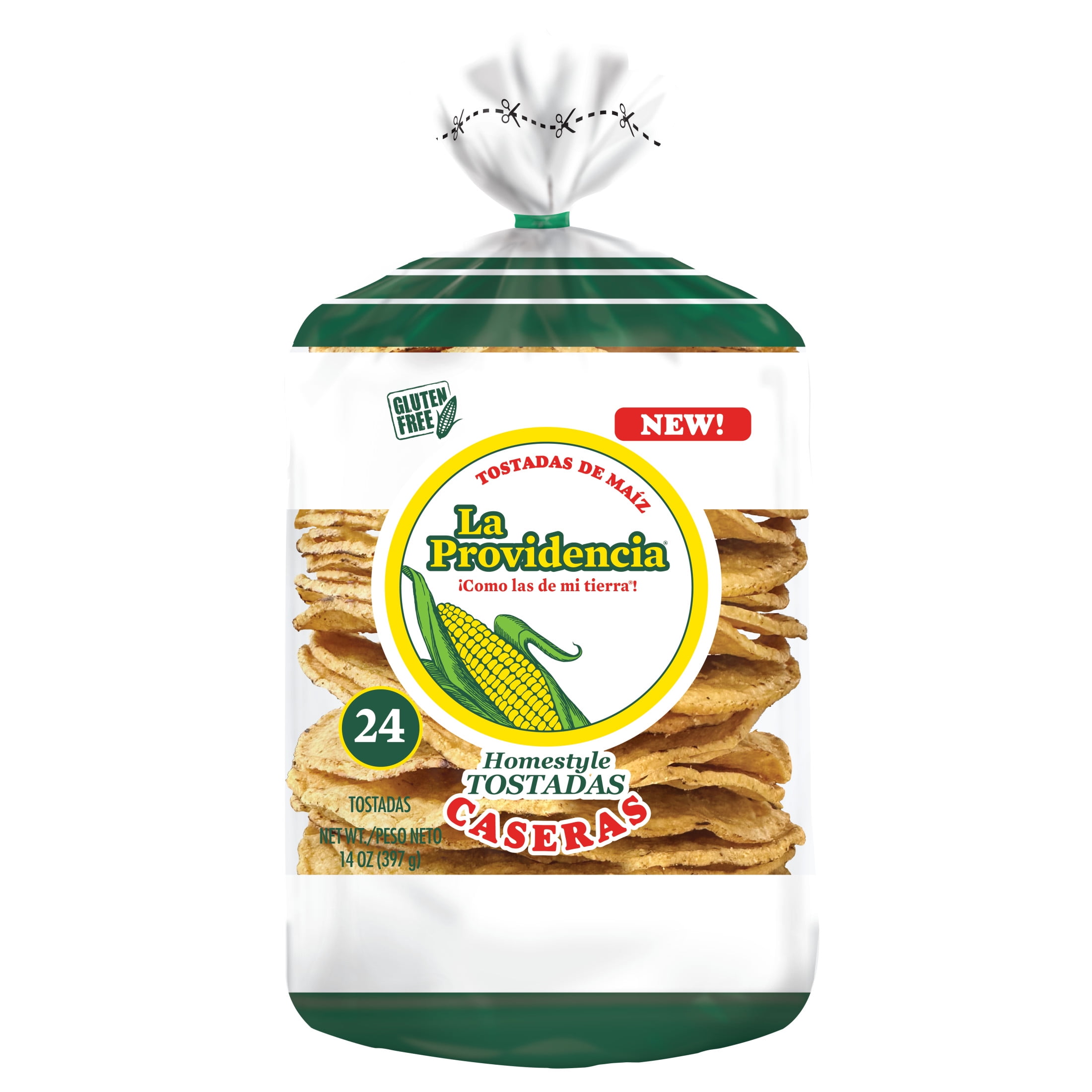
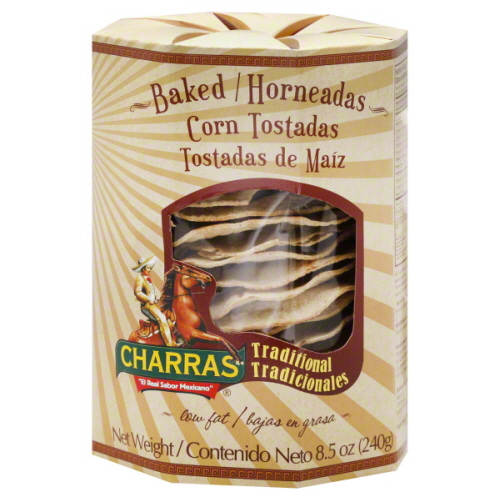


Tostada
Summary
This product contains a mix of beneficial ingredients like avocado, lettuce, and tomatoes, which provide essential nutrients and healthy fats. However, the presence of grapeseed and vegetable oils, which are high in omega-6 fatty acids and often highly processed, significantly impacts the healthiness of the product. The overall processing level of the product also limits its score, despite the inclusion of some whole food ingredients.
At a glance
Key ingredients 15
Tostada shellsNeutral
Tostada shells are typically made from corn and are fried or baked. They provide a crunchy base for toppings but can be high in calories and fats if fried. The nutritional value depends on the preparation method and oil used.
Risks
Fried tostada shells may contain unhealthy fats and contribute to high calorie intake.
Benefits
Baked versions can offer a lower-fat alternative with similar texture and taste.
Ground beefGood
Ground beef is a rich source of protein and essential nutrients like iron and B vitamins. The quality depends on the fat content and whether it is grass-fed or conventional. Grass-fed beef offers more omega-3 fatty acids and antioxidants.
Risks
High-fat ground beef can contribute to increased saturated fat intake, which may affect heart health.
Benefits
Provides high-quality protein and essential nutrients that support muscle growth and overall health.
Taco seasoningNeutral
Taco seasoning typically contains a blend of spices such as chili powder, cumin, and garlic powder. It enhances flavor but may contain added salt and preservatives. Homemade versions can be healthier by controlling salt and additive content.
Risks
Commercial taco seasoning may contain high sodium levels and artificial additives.
Benefits
Adds flavor and spice to dishes without significant calories.
Refried beansGood
Refried beans are a good source of plant-based protein and fiber. They are typically made from pinto or black beans and can be prepared with or without added fats. Homemade versions can be healthier by using less oil and salt.
Risks
Canned versions may contain added sodium and unhealthy fats.
Benefits
Rich in fiber and protein, supporting digestive health and providing a plant-based protein source.
CheeseNeutral
Cheese provides calcium and protein but can be high in saturated fat and sodium. The nutritional profile varies by type, with some cheeses offering more beneficial nutrients. Moderation is key to balancing benefits and risks.
Risks
High in saturated fat and sodium, which can impact heart health if consumed in excess.
Benefits
Good source of calcium and protein, supporting bone health and muscle maintenance.
LettuceVery Good
Lettuce is low in calories and high in water content, making it a hydrating and refreshing ingredient. It provides vitamins A and K, supporting vision and bone health. Different varieties offer varying nutrient profiles.
Benefits
Rich in vitamins and low in calories, making it a healthy addition to meals.
TomatoVery Good
Tomatoes are rich in vitamins C and K, potassium, and the antioxidant lycopene. They support heart health and may reduce the risk of certain cancers. Fresh tomatoes offer the most nutrients compared to processed forms.
Benefits
High in antioxidants and vitamins, supporting overall health and reducing inflammation.
Salsa verdeGood
Salsa verde is made from tomatillos, providing a tangy flavor and nutrients like vitamin C. It is typically low in calories and can enhance the flavor of dishes without adding unhealthy fats. Homemade versions can be tailored to reduce sodium content.
Risks
Commercial versions may contain added sodium and preservatives.
Benefits
Low in calories and rich in vitamin C, enhancing flavor and nutritional value.
Mexican cremaNeutral
Mexican crema is a dairy product similar to sour cream, providing a creamy texture and flavor. It contains fats and calories, which should be consumed in moderation. The nutritional profile is similar to other dairy-based creams.
Risks
High in saturated fat, which can impact heart health if consumed in excess.
Benefits
Adds creaminess and flavor to dishes, enhancing taste and texture.
AvocadoVery Good
Avocado is rich in healthy monounsaturated fats, fiber, and vitamins like E and C. It supports heart health and provides anti-inflammatory benefits. The creamy texture makes it a versatile ingredient in various dishes.
Benefits
Rich in healthy fats and nutrients, supporting heart health and providing anti-inflammatory properties.
LimeVery Good
Lime is high in vitamin C and antioxidants, supporting immune function and skin health. It adds a refreshing citrus flavor to dishes and can enhance the absorption of iron from plant-based foods. Fresh lime juice is preferable to processed versions for maximum nutrients.
Benefits
High in vitamin C and antioxidants, supporting immune health and enhancing flavor.
SaltNeutral
Salt is used to enhance flavor but should be consumed in moderation due to its sodium content. Excessive intake can lead to high blood pressure and other health issues. Sea salt or Himalayan salt may offer trace minerals compared to table salt.
Risks
High sodium intake can contribute to hypertension and cardiovascular issues.
Benefits
Enhances flavor and can provide trace minerals if using unrefined salt varieties.
Pico de galloVery Good
Pico de gallo is a fresh salsa made from tomatoes, onions, cilantro, and lime juice. It is low in calories and rich in vitamins and antioxidants. Fresh ingredients provide the most nutrients and flavor.
Benefits
Low in calories and rich in vitamins, enhancing flavor and nutritional value.
Grapeseed oilVery Bad
Grapeseed oil is high in omega-6 fatty acids, which can promote inflammation if consumed in excess. It is often extracted using high heat and chemicals, which can degrade its nutritional quality. Alternatives like olive or avocado oil offer healthier fat profiles.
Risks
High omega-6 content may promote inflammation when consumed in excess.
Vegetable oilVery Bad
Vegetable oil is typically a blend of seed oils high in omega-6 fatty acids, which can promote inflammation. It is often highly processed and refined, reducing its nutritional value. Healthier alternatives include oils with higher monounsaturated fat content.
Risks
High omega-6 content may promote inflammation when consumed in excess.
Processing
Processed Foods
Get the full breakdown in the Scout app
Scan any product to see lab results, healthy alternatives, and your personalized analysis.
Download on theApp Store