


At a glance
Summary
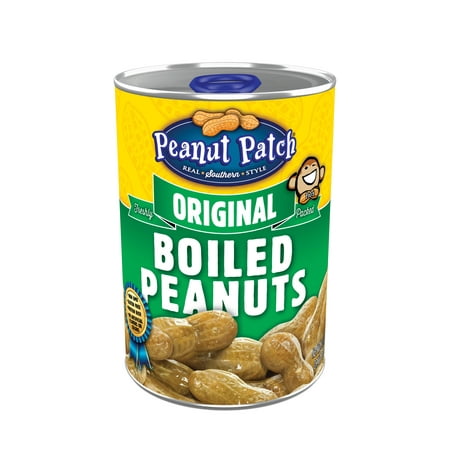
Boiled peanuts are a processed food due to the addition of erythorbic acid, which is used as a preservative for color retention. While peanuts themselves are a nutritious source of protein and healthy fats, the presence of this synthetic additive slightly detracts from the overall quality. The product remains relatively healthy due to its minimal ingredient list and the beneficial properties of peanuts.
Key ingredients 4
PeanutsGood
Peanuts are a good source of protein and healthy fats, contributing to heart health. They contain essential nutrients like niacin and folate. Being a whole food, they provide fiber and antioxidants.
Risks
Peanuts can be a common allergen and may cause severe allergic reactions in sensitive individuals.
Benefits
Rich in monounsaturated fats and protein, peanuts support heart health and provide essential nutrients like vitamin E and magnesium.
WaterNeutral
Water is used as a solvent and cooking medium in food preparation. It does not contribute any calories or nutrients. Its presence is essential for the boiling process.
See more about Water →SaltNeutral
Salt is used to enhance flavor and preserve food. It is a source of sodium, which is essential for fluid balance and nerve function. However, excessive consumption can lead to health issues.
Risks
High sodium intake can contribute to hypertension and cardiovascular disease.
Benefits
Provides essential sodium needed for various bodily functions.
Erythorbic AcidBad
Erythorbic acid is used as a preservative to maintain color in processed foods. It is a synthetic compound similar to vitamin C but does not provide the same nutritional benefits. Its use is primarily for aesthetic purposes in food products.
Risks
May cause gastrointestinal discomfort in sensitive individuals when consumed in large amounts.
Processing
Processed Foods
Get the full breakdown in the Scout appTake Scout shopping
Scan any product to see lab results, healthy alternatives, and your personalized analysis.
Download on theApp Store GET IT ONGoogle Play