

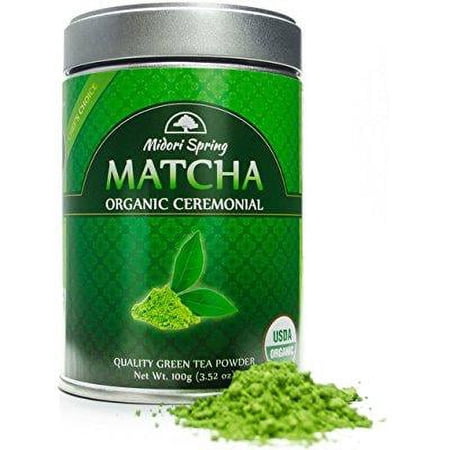



TEA
Summary
This tea product contains high-quality ingredients such as tea leaves, herbs, and spices, which are rich in antioxidants and provide various health benefits. However, the presence of sugar, even in small amounts, slightly detracts from its overall healthiness. The product is moderately processed, which allows it to maintain a relatively high score due to its clean ingredient list and beneficial components.
At a glance
Key ingredients 20
Tea leavesVery Good
Tea leaves are rich in antioxidants, which help combat oxidative stress and reduce inflammation. They contain polyphenols like catechins that are beneficial for heart health. The quality of tea leaves can vary, but high-quality leaves provide significant health benefits.
Benefits
Rich in antioxidants and polyphenols, supporting heart health and reducing inflammation.
WaterNeutral
Water is essential for hydration and acts as a solvent for the tea's beneficial compounds. It is a neutral ingredient with no direct health benefits or risks. The quality of water can affect the taste and purity of the tea.
Benefits
Essential for hydration and acts as a solvent for beneficial compounds in tea.
HerbsGood
Herbs can provide additional flavors and health benefits, depending on the type used. Many herbs have antioxidant and anti-inflammatory properties. The specific benefits depend on the herbs included in the blend.
Benefits
May offer antioxidant and anti-inflammatory properties, enhancing the health benefits of tea.
SpicesGood
Spices can enhance flavor and provide health benefits such as improved digestion and anti-inflammatory effects. Common spices like cinnamon and ginger are known for their health-promoting properties. The specific benefits depend on the spices used.
Benefits
Can improve digestion and provide anti-inflammatory effects.
FruitGood
Fruit adds natural sweetness and vitamins, enhancing the nutritional profile of the tea. It provides antioxidants and can improve the flavor profile. The specific benefits depend on the type of fruit used.
Benefits
Adds natural sweetness and vitamins, providing antioxidants.
MilkNeutral
Milk can add creaminess and a source of calcium and protein to tea. However, it may reduce the absorption of some antioxidants present in tea. The impact of milk on tea's health benefits is still debated.
Risks
May reduce the absorption of some antioxidants in tea.
Benefits
Provides calcium and protein, adding creaminess to tea.
SugarBad
Sugar adds sweetness but can contribute to excessive calorie intake and potential health issues like obesity and diabetes. It is often considered a negative ingredient due to its impact on blood sugar levels. Excessive consumption of sugar is linked to various health concerns.
Risks
Excessive consumption can lead to obesity, diabetes, and other health issues.
LemonGood
Lemon adds vitamin C and enhances the flavor of tea, providing a refreshing taste. It can also increase the absorption of antioxidants from tea. Lemon is a natural source of antioxidants and can support immune health.
Benefits
Adds vitamin C and enhances antioxidant absorption, supporting immune health.
JamNeutral
Jam can add sweetness and fruit flavor to tea, but it often contains added sugars. The nutritional impact depends on the type and amount of jam used. It is generally considered neutral due to its mixed profile of natural and added sugars.
Risks
May contain added sugars, contributing to excessive calorie intake.
Benefits
Adds fruit flavor and some natural sugars.
Masala spicesGood
Masala spices, such as cardamom and cloves, can enhance flavor and provide health benefits like improved digestion and anti-inflammatory effects. They are often used in traditional teas for their aromatic and health-promoting properties. The specific benefits depend on the spices included.
Benefits
Can improve digestion and provide anti-inflammatory effects.
CaffeineNeutral
Caffeine is a natural stimulant found in tea that can improve alertness and concentration. However, excessive consumption can lead to negative effects like insomnia and increased heart rate. It is generally considered neutral due to its mixed effects on health.
Risks
Excessive consumption can lead to insomnia and increased heart rate.
Benefits
Improves alertness and concentration.
L-theanineGood
L-theanine is an amino acid found in tea that promotes relaxation without drowsiness. It can enhance cognitive function and reduce stress. L-theanine is often praised for its calming effects and ability to improve focus.
Benefits
Promotes relaxation and enhances cognitive function.
TheaflavinsGood
Theaflavins are antioxidants found in black tea that support heart health and reduce cholesterol levels. They are formed during the fermentation of tea leaves. Theaflavins contribute to the rich flavor and health benefits of black tea.
Benefits
Support heart health and reduce cholesterol levels.
ThearubiginsGood
Thearubigins are polyphenols in black tea that contribute to its color and antioxidant properties. They help protect cells from damage and support overall health. Thearubigins are formed during the oxidation of tea leaves.
Benefits
Provide antioxidant properties and support overall health.
CatechinsVery Good
Catechins are powerful antioxidants found in tea, particularly green tea, that help reduce inflammation and support heart health. They are known for their ability to improve metabolism and promote weight loss. Catechins are highly valued for their health-promoting properties.
Benefits
Reduce inflammation, support heart health, and promote weight loss.
TanninsNeutral
Tannins are compounds in tea that contribute to its astringency and antioxidant properties. They can interfere with iron absorption when consumed in large amounts. Tannins are generally considered neutral due to their mixed effects on health.
Risks
Can interfere with iron absorption when consumed in large amounts.
Benefits
Contribute to antioxidant properties and astringency of tea.
MineralsGood
Minerals in tea, such as potassium and magnesium, support various bodily functions and contribute to overall health. They are essential nutrients that help maintain electrolyte balance. The mineral content in tea can vary based on the type and source of the tea.
Benefits
Support bodily functions and maintain electrolyte balance.
ChamomileGood
Chamomile is known for its calming effects and ability to promote relaxation and sleep. It contains antioxidants that support overall health. Chamomile is often used in herbal teas for its soothing properties.
Benefits
Promotes relaxation and supports overall health.
RooibosGood
Rooibos is a caffeine-free herbal tea rich in antioxidants, which help reduce inflammation and support heart health. It is known for its unique flavor and health benefits. Rooibos is often used as a caffeine-free alternative to traditional teas.
Benefits
Rich in antioxidants, supporting heart health and reducing inflammation.
MintGood
Mint adds a refreshing flavor and can aid digestion and relieve headaches. It contains antioxidants and has anti-inflammatory properties. Mint is commonly used in teas for its soothing and digestive benefits.
Benefits
Aids digestion and provides anti-inflammatory properties.
Processing
Processed Culinary Ingredients
Get the full breakdown in the Scout app
Scan any product to see lab results, healthy alternatives, and your personalized analysis.
Download on theApp Store