
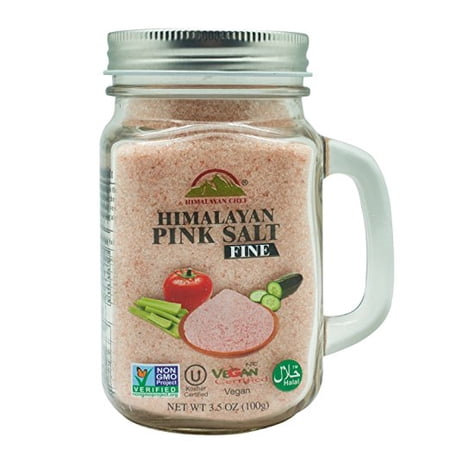
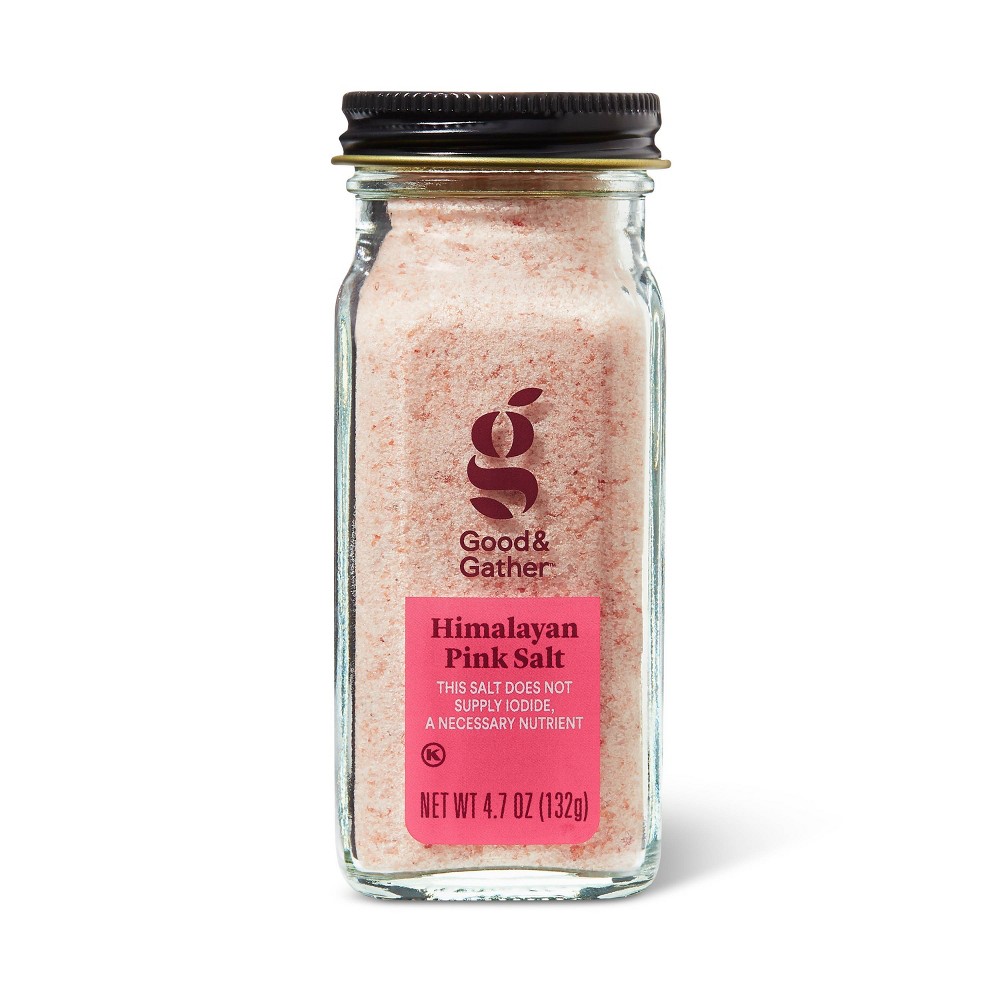
Himalayan pink salt fine
Summary
Himalayan pink salt is a minimally processed culinary ingredient with a clean label, containing beneficial trace minerals such as copper, iron, and zinc. These minerals contribute to its nutritional profile, enhancing its value beyond regular table salt. The product's low level of processing and absence of harmful additives make it a high-quality choice in its category.
At a glance
Key ingredients 8
Sodium ChlorideNeutral
Sodium chloride is the primary component of salt, essential for maintaining fluid balance and nerve function. It is a refined ingredient without additional trace minerals. While necessary for health, excessive intake can lead to hypertension.
Risks
Excessive consumption can lead to high blood pressure and cardiovascular issues.
Benefits
Essential for maintaining fluid balance, nerve transmission, and muscle function.
CopperGood
Copper is a trace mineral important for iron metabolism and the formation of red blood cells. It supports immune function and acts as an antioxidant. Found in small amounts, it contributes to overall mineral balance.
Risks
Excessive copper intake can lead to toxicity, but this is rare from dietary sources.
Benefits
Supports iron metabolism, immune function, and acts as an antioxidant.
IronGood
Iron is a crucial mineral for oxygen transport in the blood and energy production. It is especially important for preventing anemia. In trace amounts, it contributes to the nutritional profile of the salt.
Risks
Excessive iron intake can cause toxicity, but this is unlikely from trace amounts in salt.
Benefits
Essential for oxygen transport and energy production, preventing anemia.
PhosphorusGood
Phosphorus is a mineral that plays a key role in bone health and energy production. It is a component of DNA and RNA, essential for cellular function. Present in trace amounts, it supports overall mineral intake.
Benefits
Supports bone health and energy production, essential for cellular function.
ManganeseGood
Manganese is a trace mineral important for bone formation and metabolism. It acts as a cofactor for various enzymes. In small amounts, it contributes to the nutritional value of the salt.
Risks
Excessive intake can lead to neurological issues, but this is rare from dietary sources.
Benefits
Supports bone formation and metabolism, acts as a cofactor for enzymes.
SeleniumGood
Selenium is a trace mineral with antioxidant properties, important for thyroid function and immune health. It helps protect cells from oxidative damage. Present in trace amounts, it enhances the mineral profile of the salt.
Risks
High doses can lead to selenium toxicity, but this is unlikely from trace amounts in salt.
Benefits
Supports thyroid function and immune health, provides antioxidant protection.
ZincGood
Zinc is a trace mineral essential for immune function, wound healing, and DNA synthesis. It plays a role in over 300 enzymatic reactions. In trace amounts, it contributes to the overall health benefits of the salt.
Risks
Excessive zinc intake can interfere with copper absorption, but this is rare from dietary sources.
Benefits
Essential for immune function, wound healing, and DNA synthesis.
BoronGood
Boron is a trace mineral that supports bone health and cognitive function. It may influence the metabolism of minerals such as calcium and magnesium. Present in trace amounts, it adds to the mineral diversity of the salt.
Benefits
Supports bone health and cognitive function, influences mineral metabolism.
Processing
Processed Culinary Ingredients
Get the full breakdown in the Scout app
Scan any product to see lab results, healthy alternatives, and your personalized analysis.
Download on theApp Store